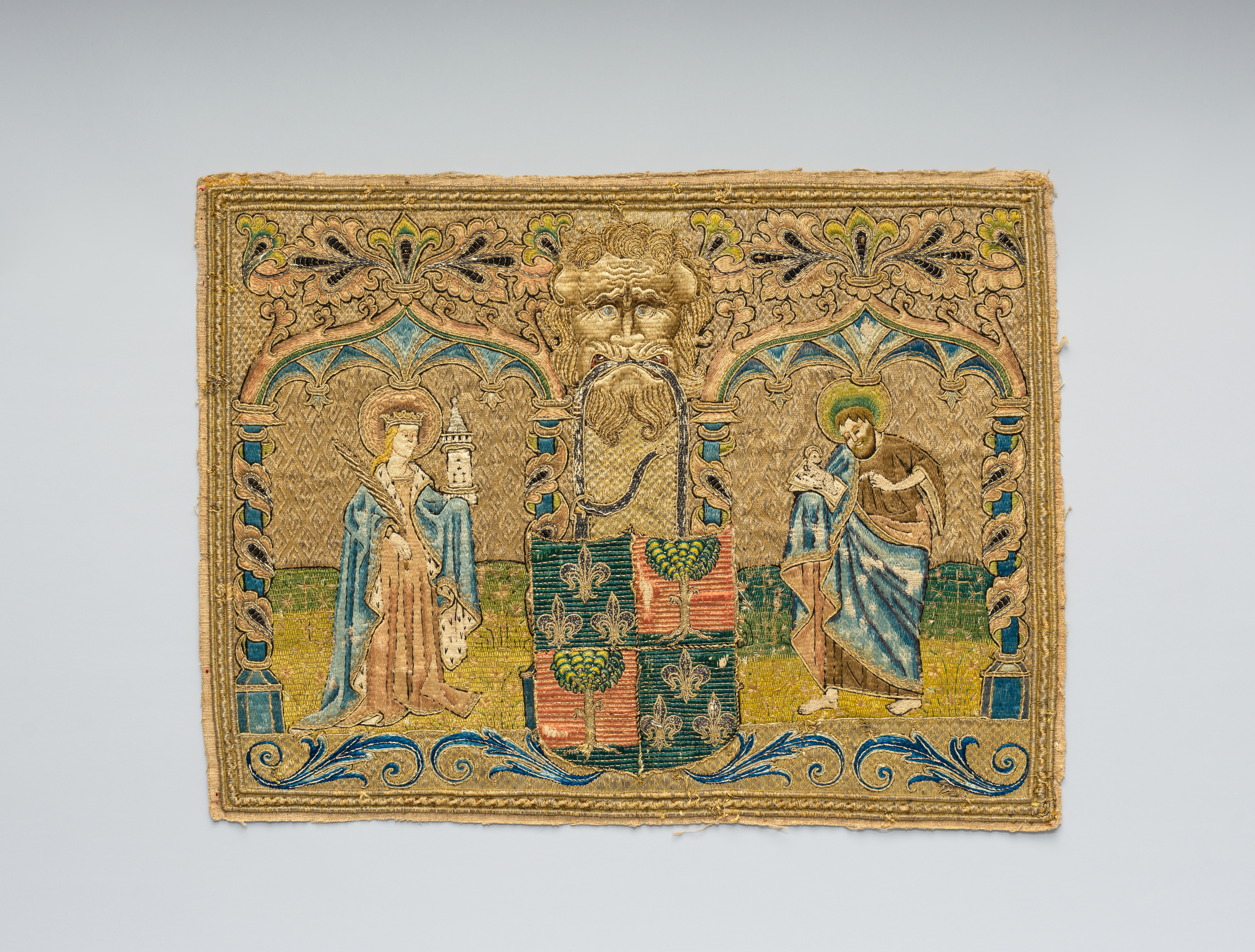
Heritage Woven: A Couture Analysis of Silk and Metal Thread on Linen
In the rarefied domain of haute couture, the interplay between material legacy and contemporary design defines the most transcendent garments. Katherine Fashion Lab’s latest standalone study—an apparel piece marrying silk, metal thread, and linen—offers a profound meditation on global heritage. This analysis dissects the garment’s structural, aesthetic, and symbolic dimensions, revealing how it elevates traditional craft into a lexicon of modern luxury. As Lead Curator, I assert that this piece is not merely clothing but a textile manifesto, one that commands attention for its meticulous synthesis of East-West techniques and its defiant stand against ephemeral fashion cycles.
Material Alchemy: Silk and Metal Thread on Linen
The choice of linen as the foundational fabric is a deliberate act of subversion. Linen, historically associated with utilitarian simplicity and the rustic elegance of ancient civilizations—from Egyptian pharaohs to medieval European peasants—provides an earthy, breathable canvas. Its natural slubs and slight irregularities are not imperfections but signatures of authenticity. Against this humble ground, the silk and metal thread embroidery emerges as a narrative of opulence. Silk, sourced from the storied sericulture traditions of China and the Indian subcontinent, introduces a luminosity that dances with ambient light. The metal thread, likely a blend of fine-gauge gold or silver-plated copper, adds a structural rigidity and a reflective brilliance that recalls Byzantine iconography and Mughal courtly attire. This juxtaposition—rough linen against lustrous silk, soft drape against metallic stiffness—creates a tactile tension that is intellectually and viscerally engaging.
The embroidery technique itself is a testament to global heritage. The intricate patterns, which evoke motifs from Persian gardens to Japanese wave crests, are executed using a hybrid of couching and satin stitching. The metal thread is not woven through the linen but laid atop it, secured by fine silk filaments. This method, reminiscent of 17th-century European ecclesiastical vestments and Ottoman kaftans, ensures that the metal remains unbroken, preserving its gleam. The result is a surface that feels both ancient and futuristic—a fabric that could whisper secrets of Silk Road caravans while striding confidently into a gallery of modern art.
Structural Integrity: The Architecture of Couture
Beyond its material allure, the garment’s construction reveals a rigorous architectural discipline. The silhouette is a masterclass in controlled volume. A fitted bodice, anchored by an internal corsetry of fine boning (discreetly encased in silk organza), transitions into a sweeping A-line skirt. The linen’s natural stiffness is leveraged to create sharp, sculptural pleats that radiate from the waist, evoking the precision of origami. Yet, the silk and metal embroidery introduces strategic weight, causing the fabric to fall in asymmetrical cascades that soften the geometry. This dialogue between structure and fluidity is a hallmark of Katherine Fashion Lab’s design philosophy: the garment does not merely clothe the body but reshapes it, offering a second skin that is both armor and invitation.
The sleeves, cut in a modified bell shape, are lined with a whisper-thin layer of silk charmeuse to allow for ease of movement. The cuffs are embroidered with a dense band of metal thread, creating a visual anchor that draws the eye downward. The neckline, a subtle bateau, is edged with a hand-rolled hem of silk, a detail that speaks to the couture-level obsession with finish. Every seam is French-seamed, every dart hand-pressed. The interior of the garment is as finished as the exterior—a hallmark of true haute couture, where the unseen is treated with the same reverence as the visible.
Symbolic Resonance: Global Heritage as a Design Ethos
This garment is a living archive. The silk and metal thread on linen does not merely reference global heritage; it embodies it. The linen’s flax fibers, cultivated in regions from Northern France to Ireland, represent a European agricultural tradition that predates the Roman Empire. The silk, harvested from mulberry-fed silkworms in China’s Jiangsu province, carries the legacy of an industry that shaped global trade for millennia. The metal thread, likely spun in a workshop in Jaipur or Florence, integrates artisanal metallurgy passed down through generations. To wear this garment is to wear the map of human ingenuity—a testament to how cultures have exchanged techniques, motifs, and materials across oceans and centuries.
The pattern itself is a palimpsest of motifs. A central medallion, embroidered in concentric rings of silk and metal, echoes the mandalas of Hindu and Buddhist iconography, symbolizing the cosmos. Radiating from this are stylized vine scrolls that recall the arabesques of Islamic art, while geometric interlocking shapes at the hem reference Celtic knotwork. This is not cultural appropriation but cultural synthesis—a deliberate, respectful weaving of universal symbols of growth, infinity, and unity. The garment does not claim ownership of any single tradition but rather celebrates the interconnectedness of human creativity.
Contextual Significance: The Standalone Study as a Critical Statement
In an era dominated by fast fashion and seasonal collections, Katherine Fashion Lab’s decision to present this piece as a standalone study is a radical act. It divorces the garment from the commercial imperative of a collection, allowing it to be judged solely on its intrinsic merits. This context elevates the piece to the status of an art object, a textile artifact meant for contemplation rather than consumption. The study format also invites a deeper interrogation of value: what does it mean to invest hundreds of hours of handwork into a single garment? The answer lies in the garment’s durability. The linen will soften with age, the silk will patina, the metal thread will develop a subtle tarnish—each mark of wear a record of the garment’s journey. This is slow fashion at its most profound, a counter-narrative to the disposable.
Furthermore, the standalone study positions Katherine Fashion Lab as a custodian of endangered craftsmanship. The techniques used—hand-embroidery, metal-thread spinning, custom loom weaving—are vanishing in an age of machine automation. By foregrounding these skills, the Lab asserts that couture’s future lies not in technological novelty alone but in the preservation and evolution of manual mastery. This garment is a call to arms for the industry to reinvest in artisanal knowledge, to see heritage not as a relic but as a resource for innovation.
Conclusion: A Garment for the Ages
Katherine Fashion Lab’s silk and metal thread on linen apparel transcends the boundaries of fashion. It is a scholarly treatise, a sensory experience, and a political statement rolled into one. The garment demands that we reconsider our relationship with clothing—not as transient trends but as heirlooms that carry the weight of history and the promise of continuity. For the discerning collector, this piece is not an acquisition but a responsibility: to care for it, to study it, and to pass it on. In doing so, we honor the global heritage that made it possible and ensure that the dialogue between silk, metal, and linen continues for generations to come. This is couture as cultural stewardship, and it is nothing short of magnificent.