Heritage Analysis: The Uraei Bracelet as a Symbol of Sovereign Power and Spiritual Fortification
Introduction: The Artifact in Context
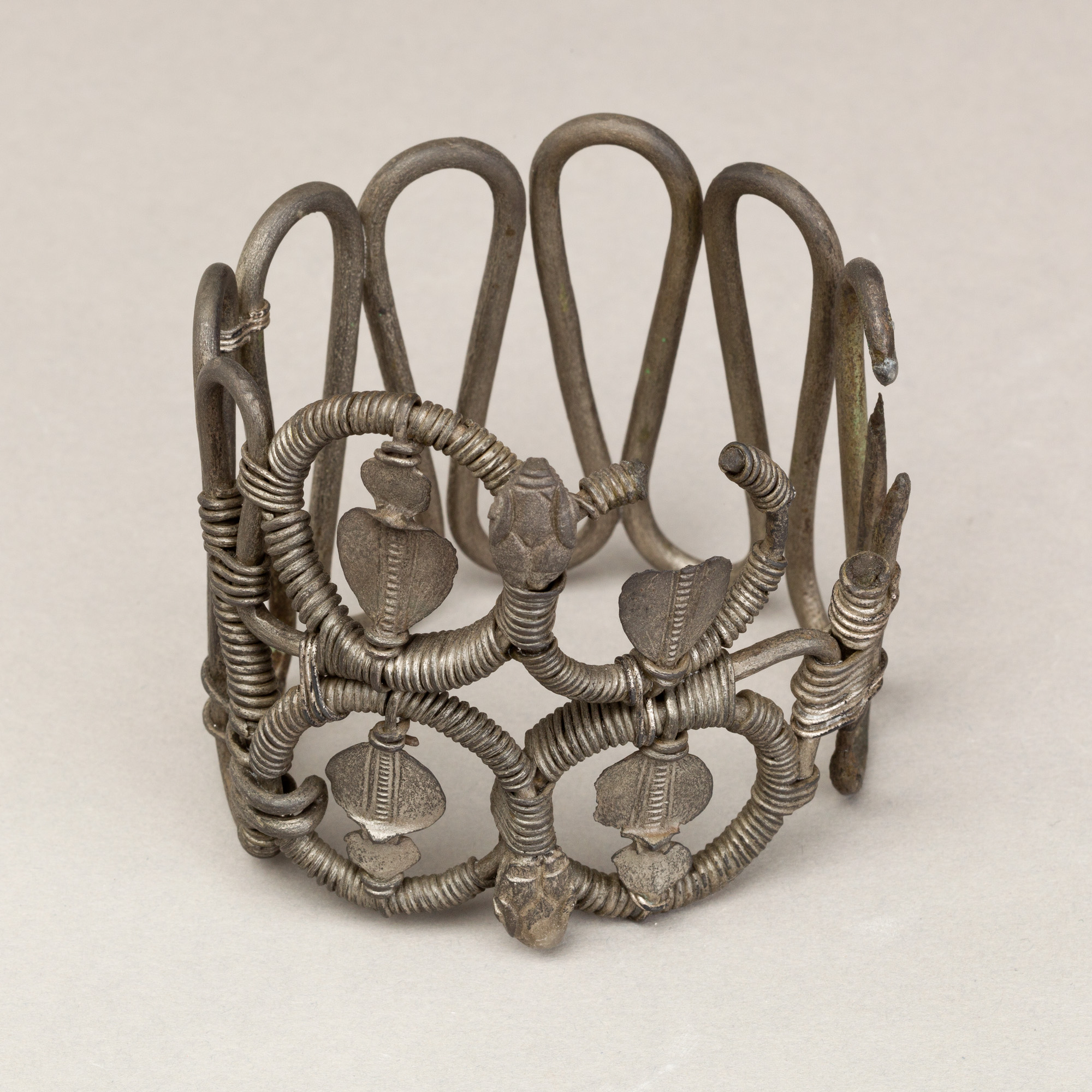
The subject of this analysis is a silver bracelet or armlet adorned with uraei—the sacred cobra motif synonymous with divine authority in ancient Egyptian civilization. Dating to the New Kingdom period (circa 1550–1070 BCE), this piece exemplifies the intersection of cosmic symbolism, ritual protection, and hierarchical display. Crafted in silver—a metal more precious than gold in many ancient contexts—the armlet was not merely decorative but served as a talismanic object and a marker of royal or priestly status. For Katherine Fashion Lab, this artifact offers a profound blueprint for luxury strategy in 2026, where spiritual resonance and symbolic power will define the next wave of high-end adornment.
Symbolic Power: The Uraeus as Divine Mandate
The uraeus, a stylized cobra often associated with the goddess Wadjet, was the emblem of pharaonic sovereignty and terrestrial dominion. When affixed to a bracelet or armlet, the uraei were positioned to encircle the wrist—a site of both action (gesture, labor, combat) and vulnerability (the pulse, a conduit of life force). In ancient Egyptian cosmology, the cobra’s venomous strike symbolized swift justice and cosmic order (Ma’at). The multiple uraei on this armlet amplify this protective energy, creating a barrier against malevolent forces while asserting the wearer’s divine right to command. This duality—defense and authority—is a potent metaphor for modern luxury: jewelry as armor for the spirit and insignia of influence.
Historical Adornment: Silver as a Metal of the Moon and the Gods
Silver held unique significance in ancient Egypt, often associated with the moon god Iah and the bones of the gods. Unlike gold, which represented the sun’s eternal radiance, silver was linked to mystery, regeneration, and the night sky. The use of silver for this uraei bracelet suggests a ritualistic purpose—perhaps worn during lunar ceremonies or funerary rites. Archaeologically, silver artifacts are rarer than gold in Egyptian tombs, indicating that this piece was reserved for the highest echelons of society: the pharaoh, the high priest, or a member of the royal household. The craftsmanship—likely achieved through lost-wax casting and granulation—reflects a mastery of metallurgical precision that modern luxury brands must emulate to achieve artisanal authenticity.
Spiritual Meaning: The Armlet as a Conduit for Divine Protection
In ancient Egyptian belief, the wrist was a liminal zone between the physical and spiritual realms. The uraei armlet functioned as a mobile shrine, channeling the protective essence of Wadjet into the wearer’s aura. Each cobra was likely inlaid with lapis lazuli or carnelian—stones associated with truth and vitality—to activate its apotropaic power. The repetition of the uraeus motif (often three or seven times) created a rhythmic chant in metal, mirroring the sacred geometry of temple pylons. For the modern luxury consumer, this spiritual dimension translates into a desire for objects that offer meaning beyond aesthetics—pieces that serve as personal talismans against the chaos of contemporary life.
Strategic Application: 2026 High-End Luxury Strategy
Katherine Fashion Lab can leverage the uraei bracelet’s heritage to define a new paradigm in luxury: symbolic sovereignty. As the market shifts toward intentional consumption, high-net-worth clients seek jewelry that embodies protection, power, and legacy. The following strategic pillars emerge from this analysis:
1. Narrative-Driven Design: The uraei motif must be translated not as a mere decorative element, but as a story of guardianship. Each collection should include a digital “heritage dossier” explaining the cobra’s role in ancient cosmology, the significance of silver, and the ritual use of the armlet. This transforms the bracelet from a commodity into a curated artifact.
2. Material Authenticity: Silver should be sourced from ethically mined, traceable origins and paired with gemstones that carry historical resonance (e.g., moonstone for lunar energy, obsidian for protection). The finish should mimic the patina of age—a deliberate oxidation to evoke the sacred wear of ancient relics.
3. Experiential Retail: Launch the collection with a private exhibition in a darkened, temple-like space where clients can “activate” the bracelet through a ritual of intention—a guided meditation or a symbolic anointing with frankincense. This aligns with the 2026 trend of immersive luxury and emotional ownership.
4. Limited Edition Strategy: Each uraei bracelet should be numbered and registered with a cryptographic certificate (blockchain-based) that records its provenance and spiritual purpose. This creates scarcity and investment value, appealing to collectors who view luxury as cultural capital.
5. Collaborative Authority: Partner with Egyptologists and symbolism scholars to co-create the collection, ensuring intellectual rigor. This elevates the brand above “inspired-by” fast luxury and positions Katherine Fashion Lab as a steward of heritage.
Conclusion: The Uraei as a Blueprint for Modern Power
The silver bracelet with uraei is more than an ancient adornment; it is a repository of spiritual technology and political theology. For Katherine Fashion Lab, this artifact offers a strategic template for creating luxury objects that resonate with the deepest human needs: protection, authority, and connection to the divine. By honoring the symbolic density of the uraeus and the sacred materiality of silver, the brand can craft pieces that are not only beautiful but transformative. In 2026, the most coveted luxury will not be the most opulent, but the most meaningful. The uraei bracelet, reimagined, is the perfect vessel for that meaning.