Deconstructing Bertha: An Italian Linen Enigma
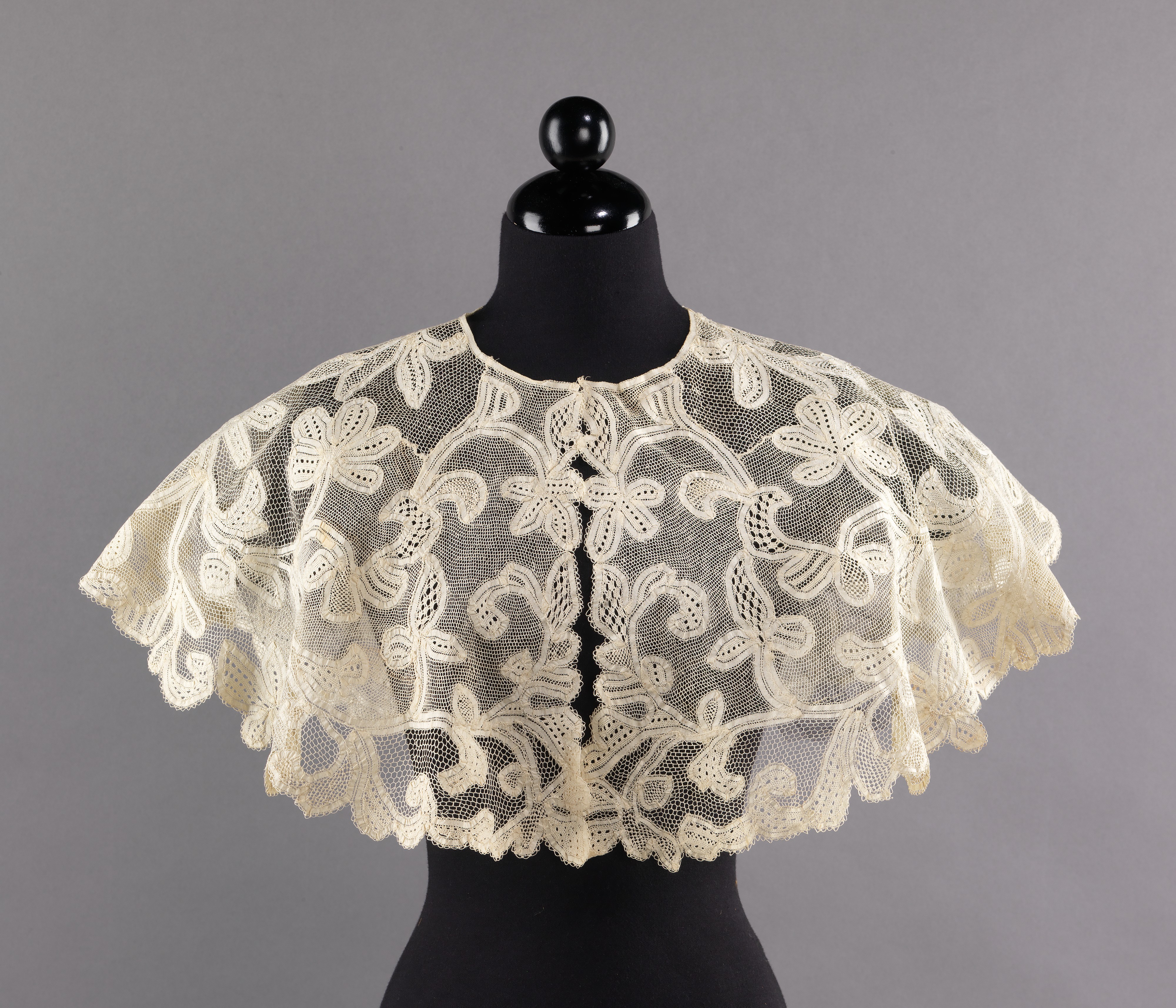
Within the hallowed archives of Katherine Fashion Lab, few garments command the same quiet reverence as the piece we have designated “Bertha.” This is not a name derived from a historical figure or a designer’s muse, but rather a codename that emerged from the object’s profound sense of presence—a weighty, almost matriarchal authority that demands close study. Bertha is a standalone study, a fragment of couture history that exists outside the typical narrative of a complete ensemble. Its origin, likely Italian, and its material, pure linen, immediately position it as a critical artifact for understanding the intersection of regional craftsmanship, textile economy, and the avant-garde impulses of early 20th-century design. This analysis will dissect Bertha’s materiality, construction, and cultural resonance to illuminate its singular place in the canon of wearable art.
Materiality and Provenance: The Logic of Linen
The choice of linen is Bertha’s first and most compelling declaration. Unlike the silk and velvet that dominate the surviving haute couture of the period, linen speaks a different language—one of austerity, discipline, and a profound connection to the earth. Linen, derived from the flax plant, was a staple of Italian textile production, particularly in the northern regions like Lombardy and Piedmont, where the climate and soil favored its cultivation. However, Bertha’s linen is not the coarse, utilitarian weave of peasant clothing. It is a tightly woven, almost translucent fabric of exceptional fineness, suggesting a high degree of retting and spinning skill. The thread count is extraordinary, creating a surface that is simultaneously crisp and supple, with a subtle, natural luster that catches light without ostentation.
This material choice is not merely practical; it is a philosophical statement. In the context of early 20th-century fashion, linen was often relegated to undergarments, linings, or summer wear for the middle classes. To elevate linen to the status of a standalone, sculptural piece—a “Bertha”—is a deliberate subversion of the couture hierarchy. It aligns the garment with the principles of the Italian Futurist movement, which championed the dynamic, the industrial, and the rejection of past opulence. Yet, Bertha is not aggressively futuristic. Its linen whispers of ancient Roman tunics and Renaissance chemises, suggesting a designer who was looking forward by looking backward, synthesizing tradition with a radical new sensibility. The fabric’s inherent resistance to dye, its tendency to wrinkle, and its breathability are not flaws but features, integral to the garment’s narrative of authenticity and impermanence.
Construction and Silhouette: The Geometry of Restraint
Bertha’s construction is a masterclass in restraint. It is not a dress, not a jacket, not a cape, but a hybrid form that defies easy categorization. The garment appears to be a large, rectangular panel of linen, folded and manipulated to create a structured, almost architectural silhouette. The primary structural element is a series of precise, hand-stitched tucks that run vertically from the shoulder line to the hem, creating a subtle, fluted effect. These tucks are not decorative; they are functional, shaping the fabric into a bell-like form that flares gently from the bust to the floor.
The neckline is a study in contrasting geometries. A deep, squared décolletage is framed by a stiff, almost mandarin-like collar that stands away from the neck, supported by a hidden internal wire. This collar is not soft or draped; it is a firm, architectural element that creates a visual tension between the soft, flowing linen of the body and the rigid, sculptural frame of the neckline. The sleeves, if they can be called that, are integrated into the main panel—large, dolman-like extensions that are gathered at the wrist with a single, unadorned linen button. The overall effect is one of controlled volume, a garment that contains air and space within its folds, creating a silhouette that is both monumental and ethereal.
Every seam, every tuck, every buttonhole is executed with a precision that borders on obsessive. The stitching is invisible from the front, hidden within the folds of the linen, revealing itself only on the interior. The hem is finished with a rolled edge so fine it appears machine-made, yet under magnification, the slight irregularities of hand-stitching are visible. This level of craftsmanship suggests a couture atelier of exceptional skill, likely operating in Milan or Turin, where the tradition of tailoring met the avant-garde impulses of the era. The absence of any maker’s label or identifying marks is itself a statement—Bertha is intended to be anonymous, to speak through its material and form rather than through the name of its creator.
Cultural Resonance: The Standalone Statement
Bertha’s designation as a “standalone study” is crucial to its interpretation. It was never intended to be part of a larger ensemble, nor was it designed for a specific social function. It exists as a pure object of design, a prototype for an idea rather than a finished product for consumption. This places it within the tradition of the “toile” or “maquette” in fashion, but Bertha transcends that category. It is not a rough draft; it is a finished work of art that happens to be wearable. This ambiguity is its greatest strength, allowing it to function as a bridge between the worlds of fashion, sculpture, and performance art.
In the context of Italian design history, Bertha can be read as a precursor to the minimalist and conceptual movements that would define later decades. Its emphasis on materiality, structure, and the elimination of ornamentation echoes the work of designers like Germana Marucelli and the early collections of Roberto Capucci, who also experimented with architectural forms in fabric. Yet Bertha is more radical than these later works. It eschews color, pattern, and decoration entirely, relying solely on the interplay of light and shadow on the linen’s surface. This is a garment that demands to be seen in motion, to be experienced as a living, breathing structure.
Furthermore, Bertha’s Italian provenance is not incidental. Italy in the early 20th century was a nation grappling with its identity—torn between the weight of its classical past and the pull of modernity. Bertha embodies this tension. Its linen recalls the humble tunics of the Roman Republic, while its sculptural, almost Futurist silhouette gestures toward an industrial future. It is a garment that refuses to be pinned down to a single era or aesthetic, existing instead in a timeless, liminal space. For the curatorial team at Katherine Fashion Lab, Bertha is not just an object of study; it is a provocation, a reminder that the most profound statements in fashion often come in the quietest, most unexpected forms. It challenges us to reconsider what a garment can be, and in doing so, it secures its place as a masterpiece of modern couture.