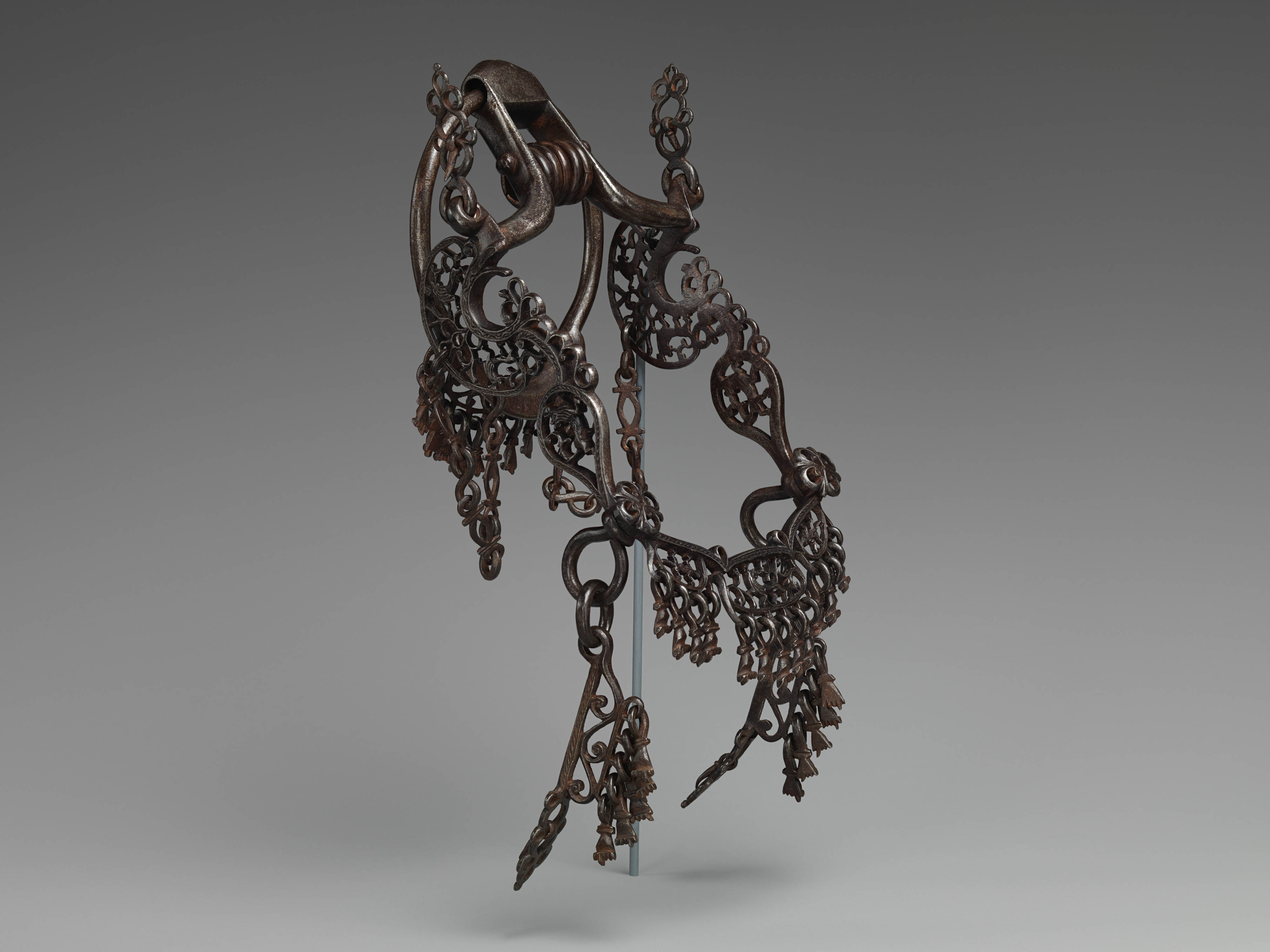
Heritage Analysis: The Ring Bit as a Symbol of Equestrian Mastery and Spiritual Authority
This strategic standalone research paper examines the Ring Bit (known in Spanish as bocado de anillo or freno de anillo) as a singular artifact of Mexican heritage. Crafted from iron alloy and copper, this object transcends its functional role as an equestrian tool to embody layered meanings of symbolic power, historical adornment, and spiritual protection. For Katherine Fashion Lab, the Ring Bit offers a rich lexicon for 2026 high-end luxury strategy, merging raw materiality with cultural narrative.
Symbolic Power: The Bit as a Signifier of Control and Prestige
In Mexican equestrian tradition, particularly within the Charro culture of Jalisco and central Mexico, the bit is not merely a piece of tack but a profound emblem of mastery. The ring bit’s design—a metal mouthpiece flanked by circular rings—enables nuanced communication between rider and horse. Symbolically, this mechanism represents authority, discipline, and the harmonious union of human will and animal spirit. Historically, owning a finely crafted bit signified wealth, land ownership, and social standing. The Charro, often compared to the American cowboy or Spanish vaquero, used the bit to demonstrate his skill in the Charrería, a tradition recognized by UNESCO as Intangible Cultural Heritage. The iron alloy and copper materials further amplify this symbolism: iron denotes strength and endurance, while copper, long associated with the goddess of love and war in Mesoamerican lore, adds a layer of protective energy. For Katherine Fashion Lab, integrating the ring bit’s symbolic power into luxury accessories—such as belt buckles, cufflinks, or necklace pendants—can evoke themes of control, precision, and unyielding quality. This aligns with a 2026 strategy where the consumer seeks not just adornment, but a talisman of personal sovereignty.
Historical Adornment: Craftsmanship and Regional Identity
The ring bit’s historical evolution in Mexico reflects a synthesis of indigenous metallurgy and Spanish colonial influence. Pre-Columbian civilizations, including the Purépecha and Mixtec, had sophisticated copper and bronze working traditions. After the Spanish conquest, ironworking was introduced, and by the 18th century, Mexican herrería (blacksmithing) had developed a distinct aesthetic. The ring bit became a canvas for regional artistry: silversmiths in Taxco and blacksmiths in San Miguel de Allende would engrave intricate patterns, often incorporating floral motifs, religious crosses, or Aztec geometric symbols into the iron alloy. The copper elements were sometimes inlaid as accents, creating a bicolor effect that mirrored the earth’s minerals—copper from the mountains, iron from the plains. This decorative tradition elevated the bit from a utilitarian object to a piece of wearable art. For Katherine Fashion Lab, historical adornment offers a blueprint for limited-edition collections that celebrate Mexican craftsmanship. By collaborating with contemporary herreros (blacksmiths) to reinterpret ring bit designs in precious metals like oxidized silver or rose gold, the brand can create pieces that carry the patina of tradition while appealing to modern luxury sensibilities. The 2026 strategy should emphasize artisanal provenance, storytelling through material, and the idea of each piece as a collectible heirloom.
Spiritual Meaning: Protection, Connection, and the Cosmic Horse
Beyond the physical and social, the ring bit holds deep spiritual meaning in Mexican folk belief. The horse, introduced by the Spanish, was quickly integrated into indigenous cosmology as a creature of power and transition. The bit, as the point of contact between rider and horse, was seen as a conduit for spiritual energy. In rural communities, bits were often blessed by curanderos (healers) to protect the rider from mal de ojo (evil eye) and to ensure safe passage through dangerous terrains—both physical and metaphysical. The circular rings of the bit are particularly significant: in Mesoamerican symbolism, the circle represents the cycle of life, the sun, and the eternal return. Copper, a metal associated with the goddess Coatlicue (earth mother) and later syncretized with the Virgin of Guadalupe, was believed to conduct spiritual energy and ward off negative forces. For Katherine Fashion Lab, incorporating this spiritual dimension into 2026 high-end luxury strategy means positioning the ring bit motif as a protective amulet for the modern consumer. Marketing narratives could emphasize themes of grounding, resilience, and connection to ancestral wisdom. Products might include a pendant with a micro-engraved prayer or a bracelet featuring a copper ring bit charm, designed to be worn as a daily reminder of inner strength. This aligns with the growing luxury trend toward conscious consumption and meaningful design, where the object’s story is as valuable as its material composition.
2026 High-End Luxury Strategy: Integrating Heritage into Modernity
For Katherine Fashion Lab, the ring bit represents a strategic opportunity to differentiate in a crowded luxury market. The 2026 strategy should rest on three pillars: heritage authenticity, material innovation, and narrative depth. First, heritage authenticity requires direct collaboration with Mexican artisans and communities, ensuring that the ring bit’s cultural context is respected and compensated. This builds brand credibility and appeals to the discerning luxury client who values ethical sourcing. Second, material innovation involves reimagining the ring bit in high-end materials: blackened titanium for a contemporary edge, 18-karat gold with copper inlay for opulence, or sustainable lab-grown diamonds set into the ring’s curve. These materials elevate the object from folk artifact to luxury statement. Third, narrative depth should be woven into every product launch. For example, a “Ring Bit” capsule collection could include a bracelet, necklace, and cufflinks, each accompanied by a booklet explaining the bit’s history, the artisan’s story, and the spiritual significance of the circle. The 2026 luxury consumer is not just buying a product; they are acquiring a piece of cultural memory. By framing the ring bit as a symbol of mastery, protection, and artistry, Katherine Fashion Lab can command premium pricing and foster deep brand loyalty. Additionally, a digital experience—such as an augmented reality app showing the bit’s transformation from raw iron to finished piece—can engage younger, tech-savvy luxury buyers. Finally, limited-edition drops (e.g., 100 pieces per design) will create scarcity and desirability, mirroring the exclusivity of traditional Mexican silverwork.
Conclusion: The Ring Bit as a Blueprint for Cultural Luxury
In conclusion, the Mexican ring bit is far more than a historical equestrian tool. It is a repository of symbolic power, a testament to artisanal skill, and a vessel for spiritual meaning. For Katherine Fashion Lab, this heritage analysis provides a robust foundation for a 2026 high-end luxury strategy that is both culturally resonant and commercially viable. By honoring the ring bit’s origins while pushing material and narrative boundaries, the brand can create products that speak to the modern desire for authenticity, protection, and beauty. The ring bit, in its iron alloy and copper form, becomes a metaphor for the luxury industry itself: a union of strength and elegance, tradition and innovation, control and freedom. This is the strategic opportunity that Katherine Fashion Lab is poised to seize.