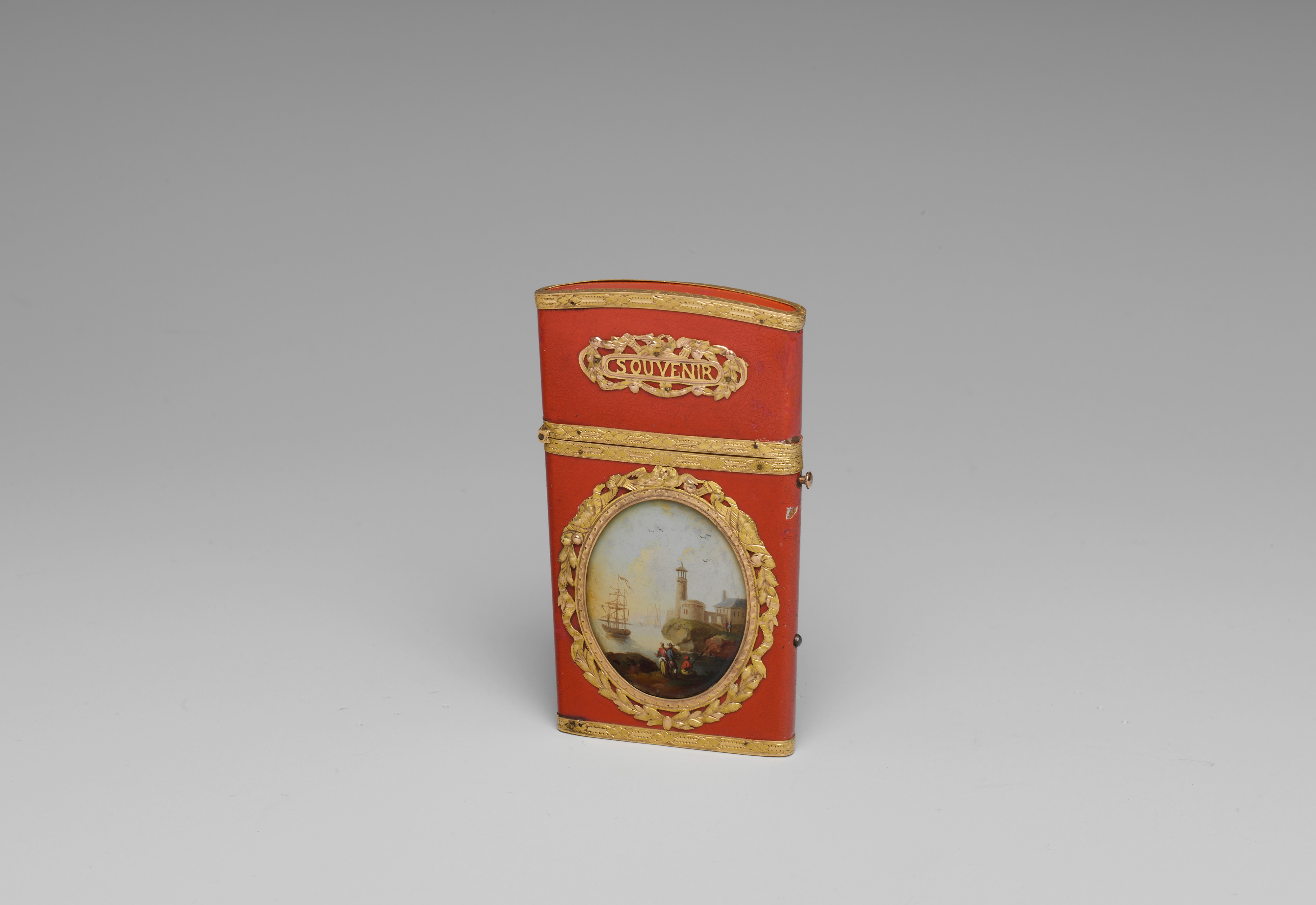
The Alchemy of Memory: A Couture Analysis of Katherine Fashion Lab’s “Souvenir” Collection
In the rarefied world of haute couture, where garments transcend utility to become artifacts of cultural dialogue, Katherine Fashion Lab’s latest standalone study, “Souvenir,” emerges as a masterclass in material storytelling. Rooted in the concept of Global Heritage, this collection eschews the ephemeral for the eternal, weaving together gold, lacquer, copper, and ivory into a cohesive narrative that interrogates the very nature of remembrance. As Lead Curator, I approach this analysis not merely as a review of craftsmanship, but as a critical examination of how luxury can serve as a vessel for cross-cultural legacy. The result is a collection that is both intimately personal and universally resonant—a wearable archive of human experience.
Material Lexicon: The Syntax of Preciousness
The foundation of “Souvenir” lies in its audacious material choices, each selected for its symbolic weight and technical demands. Gold, traditionally a marker of eternal value, is employed here not as ostentation but as a preservative medium. Katherine Fashion Lab applies 24-karat gold leaf to sculptural bodices and structural sleeves, creating surfaces that catch light like fragments of a fading memory. The gold is not polished to a mirror finish; instead, it retains a subtle, hammered texture—a deliberate nod to the imperfections of recollection. This technique, kintsugi-inspired, suggests that beauty lies in repair and preservation, not pristine perfection.
Lacquer appears in deep, resonant hues of vermilion and obsidian, applied in multiple layers over hand-carved wooden forms. This process, drawn from East Asian traditions of urushi lacquerware, requires months of drying and polishing between coats. The result is a surface of glass-like depth, resistant to time and touch. In “Souvenir,” lacquer encases corsetry and collar structures, transforming them into protective shells—armor for the soul’s most cherished keepsakes. The lacquer’s glossy finish contrasts with the matte texture of the gold, creating a tactile dialogue between hardness and softness, permanence and fragility.
Copper is introduced as a counterpoint to gold’s opulence. Patinated through controlled oxidation, the copper ranges from burnished orange to verdigris green, evoking the passage of time. Katherine Fashion Lab uses copper wire to embroider intricate motifs onto silk organza—maps of trade routes, constellations, and abstract floral forms. The metal’s conductivity becomes a metaphor: it carries the energy of ancestral journeys, grounding the collection in a sense of place and displacement. The copper is left unsealed, allowing it to continue aging on the wearer’s body, making each garment a living document.
Ivory, ethically sourced from antique piano keys and museum-archived fragments, is carved into miniature talismans—beads, clasps, and brooches. This material choice is the most contentious and the most poignant. By repurposing pre-existing ivory, Katherine Fashion Lab confronts the colonial history of such materials without endorsing modern poaching. The ivory pieces are inscribed with micro-text: names of forgotten artisans, coordinates of lost homelands, and dates of cultural erasure. They serve as memento mori, reminding the wearer that every souvenir carries a story of loss and appropriation.
Structural Narratives: Garments as Cartography
The silhouettes in “Souvenir” are deliberately architectural, borrowing from global garment traditions. A jumpsuit in copper-embroidered silk references the kaftan of North Africa, its wide sleeves lined with gold leaf that catches the light like desert sand. The waist is cinched by a lacquered obi belt, a nod to Japanese kimono aesthetics, but the belt’s buckle is a carved ivory scarab—an ancient Egyptian symbol of rebirth. This fusion is not haphazard; it is a deliberate mapping of trade routes and cultural exchange, suggesting that souvenirs are not static objects but dynamic intersections of influence.
The centerpiece of the collection is a cocoon coat constructed from layered copper mesh and lacquered leather. Its silhouette is voluminous, almost architectural, evoking the protective forms of nomadic tents or reliquary boxes. Inside, the coat is lined with gold-embroidered silk, depicting the Tree of Life—a motif found in Persian, Celtic, and Mesoamerican traditions. The coat can be worn open, revealing the inner lining, or closed, hiding it from view. This duality speaks to the nature of souvenirs: they are often private, intimate objects, their meanings visible only to the keeper.
Even the construction methods honor heritage. Katherine Fashion Lab employs smocking techniques from rural Europe, shibori resist-dyeing from Japan, and zardozi embroidery from South Asia. Each stitch is a tribute to the hands that came before, transforming the garment into a collaborative artifact across time and geography. The seams are left raw in places, deliberately unfinished, to reveal the layers of material and meaning beneath—a reminder that heritage is never complete but always in process.
Conceptual Resonance: The Souvenir as Contested Object
At its core, “Souvenir” challenges the luxury industry’s tendency to exoticize and commodify cultural heritage. Katherine Fashion Lab positions these materials not as decorative tropes but as primary texts in a global conversation. The gold, lacquer, copper, and ivory are not passive backdrops; they are active participants in a narrative about power, memory, and the ethics of possession. The collection asks: Who has the right to carry another culture’s memory? How do we honor heritage without reducing it to ornament?
The answer lies in the collection’s standalone study format. By presenting “Souvenir” outside the seasonal calendar, Katherine Fashion Lab removes it from the cycle of fashion consumption and positions it as a museum-worthy examination. Each piece is numbered, documented with provenance notes, and accompanied by a small booklet detailing the origins of every material and technique. This transparency transforms the garment from a commodity into a curated artifact, inviting the wearer to become a custodian rather than a consumer.
Furthermore, the collection employs negative space as a conceptual tool. Several garments feature deliberate gaps or missing panels, where gold leaf has been removed or lacquer left unapplied. These voids represent the erasures of history—the stories that were never recorded, the crafts that were lost, the voices that were silenced. The wearer’s body fills these gaps, becoming a living participant in the narrative. The souvenir, then, is not a completed object but a collaborative act of remembering and reimagining.
Conclusion: The Future of Heritage in Luxury
Katherine Fashion Lab’s “Souvenir” is a triumph of intellectual and material rigor. It elevates couture from the realm of fashion to the domain of cultural stewardship, proving that luxury can be a force for preservation rather than appropriation. The collection’s use of gold, lacquer, copper, and ivory is not decorative but dialectical—each material speaks to the complexities of global heritage, inviting the wearer to engage with history as a living, contested, and precious resource. In a marketplace often dominated by the ephemeral, “Souvenir” offers a lasting testament to the power of memory, crafted with the patience and precision that only true artistry can achieve. It is not merely a collection; it is a manifesto for a more thoughtful, more honest luxury—one that honors the past while shaping the future.