The Art of Silence: Deconstructing a Japanese Silk Masterpiece
In the rarefied echelons of haute couture, where fabric becomes philosophy and silhouette speaks in hushed tones, Katherine Fashion Lab presents a standalone piece that transcends mere garment construction. This creation, born from the meticulous traditions of Japanese textile artistry and executed in pure silk, is not merely worn—it is inhabited. As Lead Curator, I approach this analysis with the precision of a conservator and the reverence of a connoisseur, dissecting how this piece redefines the boundaries between craft, culture, and contemporary luxury.
Origin and Cultural Resonance: The Japanese Aesthetic of Impermanence
Japan’s contribution to global fashion is often framed through avant-garde deconstruction or minimalist restraint. Yet this piece draws from a deeper well: the concept of wabi-sabi—the beauty found in imperfection, transience, and the organic flow of time. The silk itself, sourced from the historic Nishijin weaving district of Kyoto, carries the weight of centuries. Nishijin-ori, a technique refined over 1,200 years, is renowned for its intricate hand-weaving and the use of gold and silver threads. Here, however, Katherine Fashion Lab strips away opulence to reveal the raw soul of the fiber. The fabric’s slight irregularities—a subtle slub here, a faint warp there—are not flaws but signatures of authenticity, echoing the Japanese reverence for the handmade over the machine-perfect.
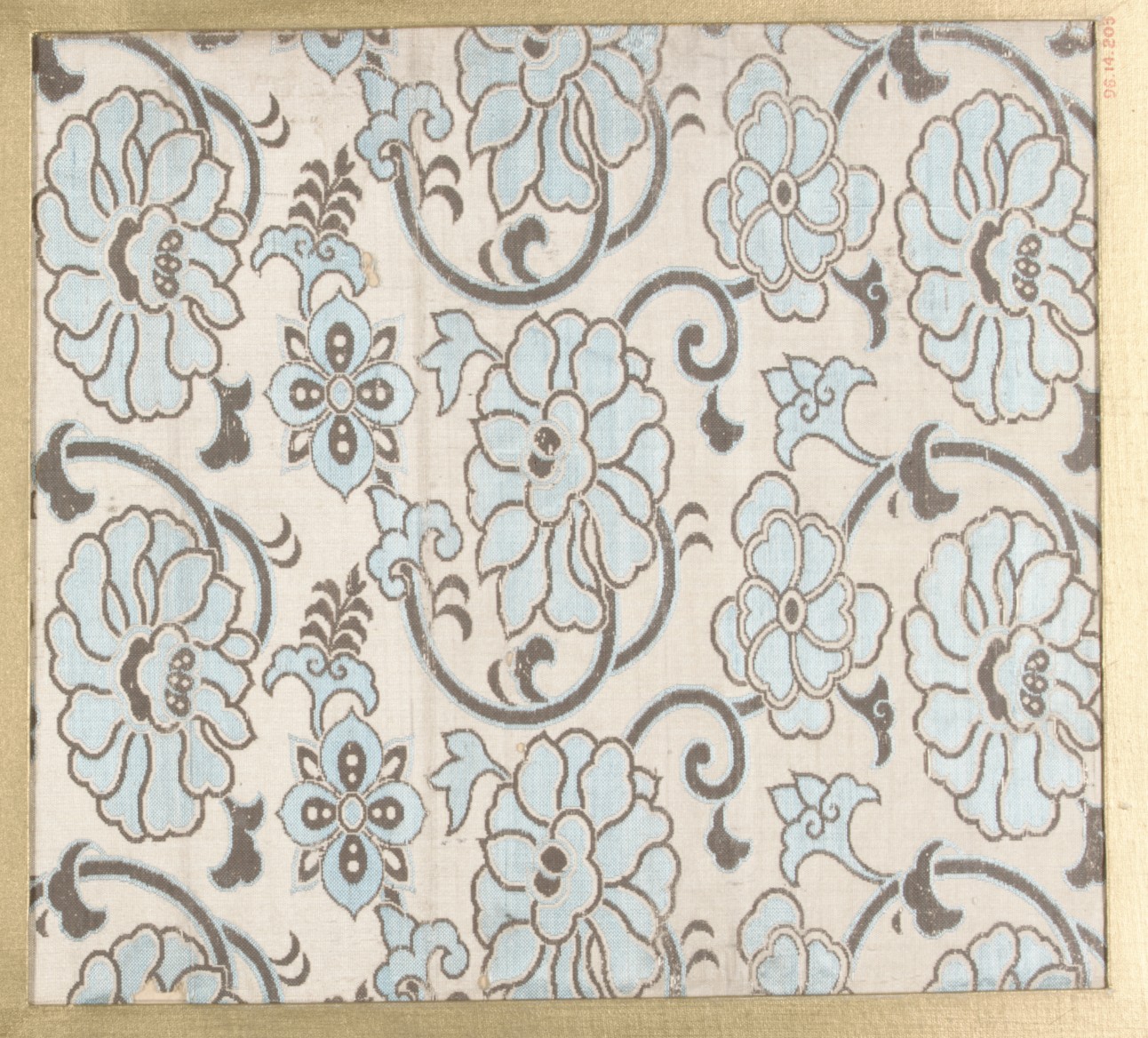
This piece is a standalone study, meaning it exists without the context of a collection or season. It is a meditation on singularity. In Japanese culture, the concept of ichigo ichie—"one time, one meeting"—applies perfectly. This garment is designed for a moment that will never recur. The silk, dyed using the ancient katazome stencil-resist method, features an abstract pattern of drifting cherry blossoms (sakura) that are not printed but painted by hand with natural indigo and persimmon tannin. Each petal is a deliberate brushstroke, a nod to sumi-e ink painting, where the void is as important as the form. The result is a surface that breathes, catching light in ways that mimic the fleeting beauty of spring.
Materiality: Silk as a Living Membrane
Silk is the protagonist here, but not in the conventional sense of glossy, stiff luxury. Katherine Fashion Lab has chosen a habutai weight—a finely woven, almost translucent silk that drapes like water. This is not the silk of ballroom gowns or power suits; it is the silk of intimacy. The fabric’s hand is soft, almost fragile, yet its tensile strength is formidable. The lab’s textile engineers treated the silk with a proprietary sericin-retention process, preserving the natural protein coating that gives silk its luster and resilience. This choice honors the silkworm’s labor, resisting the industrial urge to strip the fiber bare.
The construction technique is equally revolutionary. Rather than cutting and seaming, the piece is assembled using shibori—a Japanese resist-dyeing method that also shapes the fabric. The silk is pleated, bound, and steamed to create three-dimensional textures that mimic the undulating waves of Hokusai’s “The Great Wave.” These pleats are not permanent; they shift with the wearer’s movement, creating a dialogue between body and garment. The absence of traditional darts or linings reveals the silk’s transparency, allowing the skin to become part of the design. This is a garment that refuses to hide its construction. Every stitch, every fold, is exposed—a philosophy of honesty that aligns with the Japanese aesthetic of ma, the meaningful pause between elements.
Silhouette and Structure: The Geometry of Emptiness
The piece defies Western conventions of tailoring. There is no defined waist, no structured shoulder. Instead, it takes the form of a kimono-infused cocoon, with sleeves that extend into wing-like panels and a back that falls in a cascading train. The asymmetry is deliberate: the left side is longer, weighted with hand-stitched glass beads that resemble dewdrops, while the right side ends at the hip, revealing a lining of raw silk in a contrasting shade of charcoal. This asymmetry is not arbitrary; it references the Japanese concept of fukinsei—balance through irregularity.
The neckline is a study in restraint. A high, mandarin-style collar hugs the throat, but it is cut away at the back, exposing the nape—a zone of eroticism in Japanese culture. The closure is not a zipper or button but a single silk cord tied in a mizuhiki knot, traditionally used for ceremonial gifts. This knot is functional yet symbolic, representing the binding of past and future, tradition and innovation. When worn, the garment requires the wearer to move with intention; it is not a passive layer but an active participant in posture and gesture.
Color and Texture: The Palette of Nature’s Patience
The color palette is deliberately muted: washi white (the off-white of handmade paper), sumi black (charcoal ink), and a single accent of beni (safflower red) at the hem, as if the fabric has been dipped in a sunset. These are not colors that shout; they whisper. The silk’s natural luster is modulated by the shibori pleats, which catch light in micro-shadows. The red accent is achieved through a labor-intensive beni-iro dyeing process, where safflower petals are crushed, washed, and fermented over months to extract a pigment that is both vivid and fleeting—it will fade with exposure to sunlight, a deliberate nod to the Japanese appreciation of mono no aware, the bittersweet awareness of impermanence.
Texture is layered with intention. The front of the garment is smooth, almost liquid, while the back is heavily textured with the shibori pleats. The glass beads at the hem add a tactile counterpoint, cool and heavy against the silk’s warmth. This interplay of smooth and rough, soft and hard, echoes the Japanese garden’s principle of shin-gyo-so—formal, semi-formal, and informal elements coexisting in harmony. The wearer becomes a living garden, a landscape of contrasts.
Contextual Significance: A Standalone Study in a Disposable World
In an industry dominated by rapid trend cycles and digital consumption, this piece stands as a polemic. It is not designed for Instagram; its nuances are lost in pixels. The silk’s subtle sheen, the hand-painted petals, the weight of the beads—these demand physical proximity. The garment is an argument for slow fashion as a philosophical practice, not a marketing gimmick. Katherine Fashion Lab has positioned this piece as a “standalone study,” meaning it is meant to be examined, interrogated, and felt. It is a research document in fabric form, exploring how Japanese techniques can be translated into a global couture language without losing their cultural integrity.
This is also a piece that resists commodification. It is not priced for the luxury market’s usual hierarchy; instead, it is offered as a limited edition of seven—a number sacred in Japanese Buddhism, symbolizing completeness. Each piece is individually numbered and comes with a certificate documenting the artisan’s name, the dye batch, and the exact date of completion. This is not a product; it is a record of a moment in time.
Conclusion: The Garment as a Haiku
To wear this piece is to participate in an ancient conversation. It speaks of Kyoto’s looms, of indigo vats, of hands that have spent decades perfecting a single knot. It speaks of impermanence, of the beauty in fading, of the power of what is left unsaid. Katherine Fashion Lab has achieved something rare: a garment that is simultaneously a tribute to tradition and a radical departure from it. In a world that demands more, this piece offers less—and in that less, finds everything. It is not fashion. It is couture as poetry, silk as scripture, and Japan as an eternal muse.