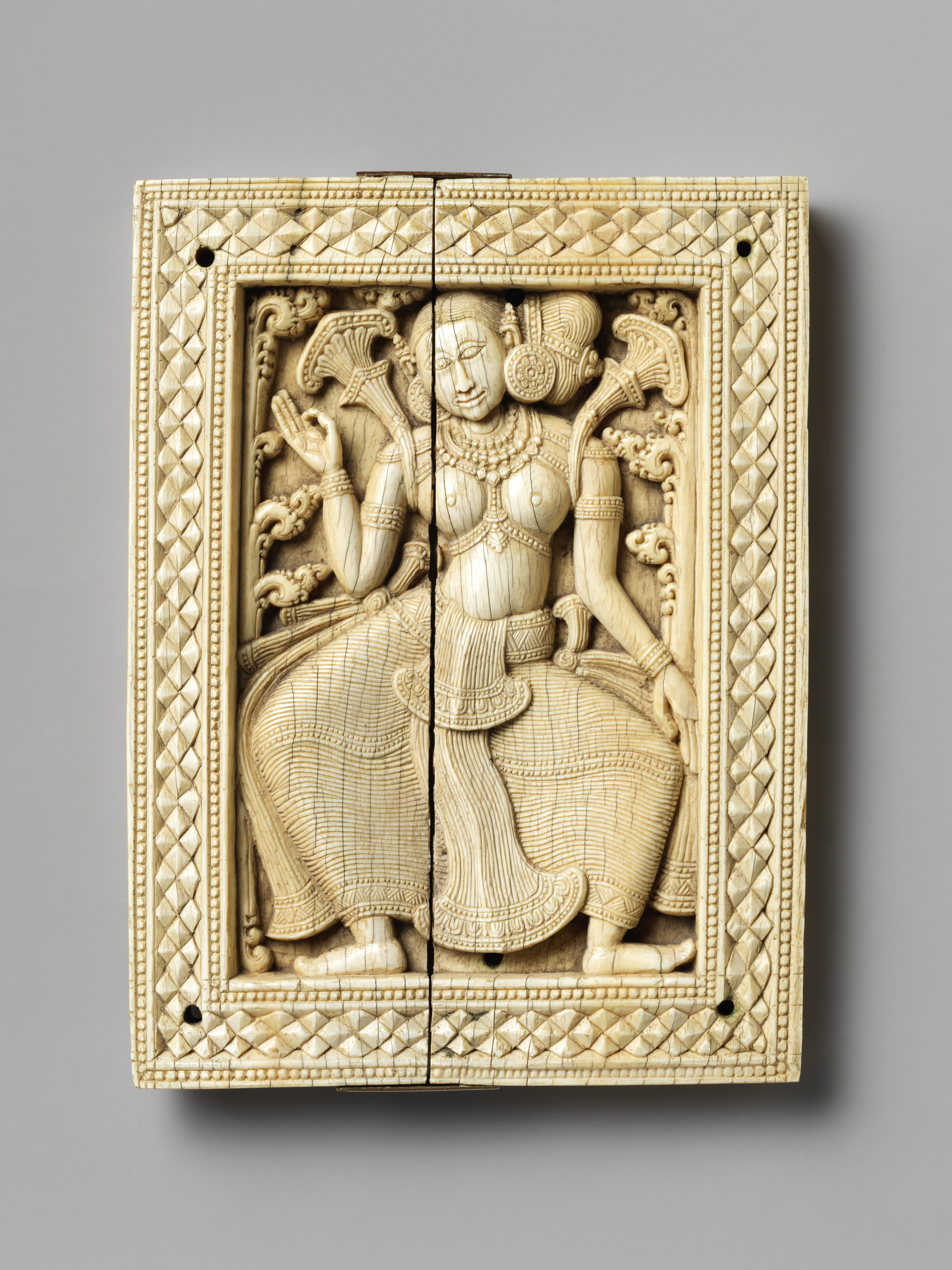
Strategic Heritage Analysis: The Temple Dancer as Foundational Archetype
This strategic standalone research paper positions the Sri Lankan Temple Dancer, specifically from the Kandy region and rendered in ivory, as a cornerstone heritage archetype for Katherine Fashion Lab's 2026 high-end luxury strategy. Moving beyond superficial aesthetic appropriation, this analysis deconstructs the figure's multidimensional symbolism to propose a framework for authentic, value-driven brand storytelling. The objective is to translate profound cultural capital into a contemporary luxury lexicon, establishing a unique competitive position rooted in spiritual gravitas and historical craftsmanship.
Deconstructing Symbolic Power: The Dancer as Axis Mundi
The Kandyan Temple Dancer, or Ves Natuma performer, is not merely an entertainer but a consecrated intermediary. Her performance is a sacred ritual (puja), a kinetic prayer channeling divine blessings to the community. The symbolic power resides in her role as the human axis mundi, connecting the earthly realm with the celestial. Every gesture (mudra), foot stamp (padartha), and eye movement carries codified meaning, narrating ancient Jataka tales and invoking deities. For a luxury brand, this translates into a narrative of intentionality and transformation. Each product inspired by this archetype must carry this essence of mediated meaning—where adornment becomes a vessel for narrative and personal elevation, far exceeding mere decoration.
The medium of ivory, historically used for ritual objects and royal regalia in Sri Lanka, compounds this symbolism. Ivory represents purity, durability, and a sacred connection to the natural world (historically sourced from revered elephants). It speaks to a pre-industrial value system where materials were chosen for their spiritual resonance and permanence. In a modern luxury context, this mandates an uncompromising commitment to material innovation and ethical sourcing—developing biomaterials or curated alternatives that carry the same narrative weight of rarity, tactile luxury, and symbolic purity as historical ivory.
Historical Adornment: The Semiotics of the Ves Attire
The dancer's regalia is a complex system of coded adornment, each element a chapter in a visual manuscript. The Ves costume is an exoskeleton of power: the Ruwal (beaded jacket), the Sarama (silver frontlet), the Ves Thattha (headpiece), and the multitude of silver talisman chains (Padakkam) are not accessories but armor and offering. This attire meticulously maps the body into a sacred geography, with points of light and sound (from jingles) designed to attract divine attention and ward off malevolent forces.
For Katherine Fashion Lab, this provides a masterclass in integrated storytelling through craft. The historical adornment demonstrates how every element, from head to ankle, must contribute to a singular narrative. A 2026 strategy could involve:
Modular Symbolism: Deconstructing elements like the Padakkam talismans into modern amulets or closures, each with a documented story of protection or blessing.
Textile Archaeology: Reinterpreting the intricate beadwork and silver thread embroidery through partnerships with Kandyan artisans or advanced textile labs, creating proprietary fabrics with historical resonance.
Structural Silhouette: The dancer's layered, yet defined silhouette—which allows for explosive movement while maintaining regal posture—inspires a philosophy of "structured fluidity" in tailoring, where grace is underpinned by architectural precision.
Spiritual Meaning: From Ritual to Personal Sanctuary
At its core, the Temple Dancer's practice is about creating a sanctified space through disciplined movement and adorned presence. This spiritual meaning holds acute relevance for the post-pandemic, experience-driven luxury consumer seeking meaning, mindfulness, and personal sanctuary. The brand can pivot from selling products to curating rituals of dressing.
The concept of the performance—a finite, transcendent event—parallels the modern desire for transformative experiences. Katherine Fashion Lab's 2026 strategy should frame its collections as tools for personal ritual. A gown is not for a gala; it is for the personal performance of one's own strength. A cuff is not jewelry; it is a talisman for focus. This aligns with the growing "quiet luxury" and "spiritual materialism" trends, but with a deeply rooted, non-Western philosophical backbone that provides authentic differentiation. Marketing narratives should evoke the dancer's meditative preparation, her singular focus, and the transformative outcome of her practice.
2026 High-End Luxury Strategy: The Consecrated Collection
Integrating this analysis, Katherine Fashion Lab's strategic launch for 2026 should be a standalone, ultra-high-end line: "Ves: The Consecrated Collection." This line operates on the principles of cultural integrity, material innovation, and experiential clientele engagement.
Pillar 1: Material Alchemy & Ethical Legacy
Replace historical ivory with a proprietary material developed in partnership with biotech and artisan communities. Examples include a lab-grown mineral composite with the warmth and carve-ability of ivory, or a heritage resin embedded with ethically sourced botanical elements from Sri Lanka (e.g., sacred temple flowers). Each piece includes a "Material Provenance" narrative, detailing its innovation and symbolic connection to the source archetype.
Pillar 2: Narrative Adornment & Limited Editions
Collections are released in thematic "Performances" rather than seasonal lines. Each "Performance" focuses on one element of the Ves archetype (e.g., "The Gaze," "The Stamp," "The Offering"). Pieces are limited, numbered, and accompanied by digital content—short films documenting the inspiration, artisan interviews, and the philosophical narrative behind the mudras or symbols encoded in the design.
Pillar 3: Client as Patron & Initiate
Move beyond VIP service to a patronage model. Clients are invited to private "rituals"—immersive experiences that may include curated discussions on sacred dance, private viewings of historical artifacts (in partnership with museums), and sessions on the intentionality of adornment. Purchase is framed as an initiation into an understanding of this cultural lexicon, with each client receiving a curated "Symbol Key" explaining the narratives woven into their piece.
Conclusion: The Competitive Mandate
In a saturated luxury market, heritage must be leveraged with depth and respect. The Kandyan Temple Dancer in ivory offers Katherine Fashion Lab a profound, untapped reservoir of symbolic power. By strategically translating its principles of sacred intermediation, coded adornment, and ritual performance into a 2026 strategy, the brand can transcend fashion to offer wearable consecration. This establishes a defensible position at the apex of the market, appealing to a discerning clientele for whom luxury is measured not in logos, but in legacy, meaning, and transformative personal experience. The Temple Dancer does not suggest a literal costume, but a formidable brand philosophy: that true luxury is an act of focused, adorned, and spiritually resonant intention.