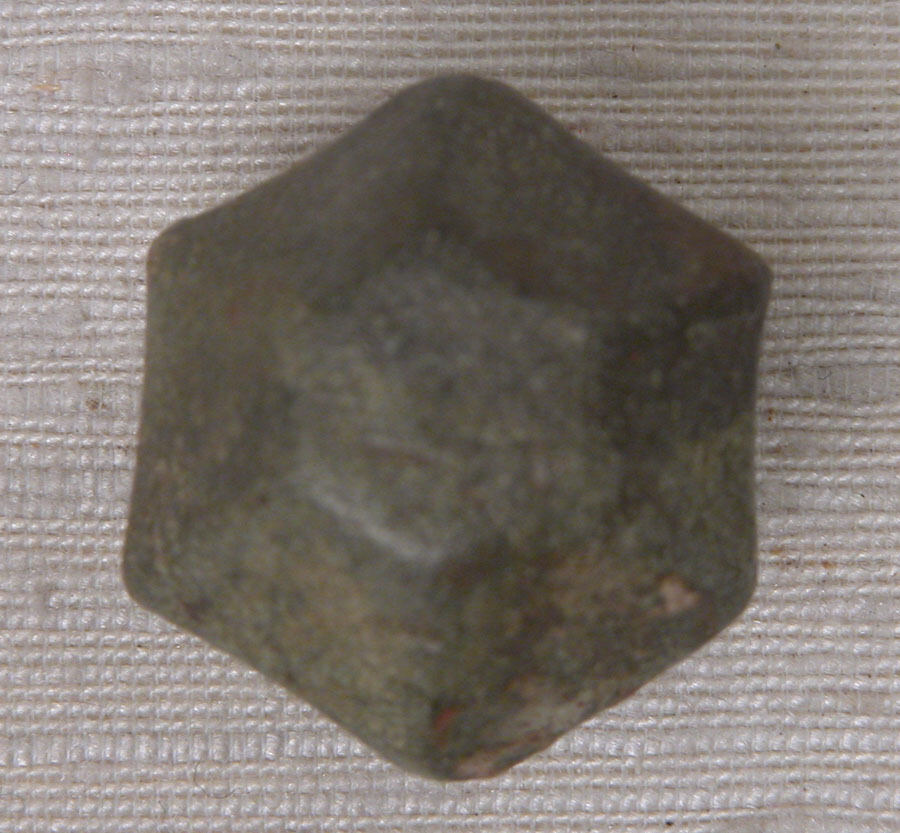
Heritage Analysis: The Bronze Weight as an Object of Symbolic Power and Luxury Strategy
In the annals of ancient civilizations, the humble weight—often overlooked as a mere tool of commerce—emerges as a profound artifact of symbolic power, historical adornment, and spiritual meaning. For Katherine Fashion Lab, the 2026 high-end luxury strategy must reimagine such objects not as utilitarian relics, but as vessels of cultural authority and aesthetic transcendence. This analysis examines the bronze cast weight from antiquity, decoding its layered significance and proposing a strategic framework for its integration into a luxury narrative that resonates with discerning, heritage-conscious clientele.
Symbolic Power: The Weight as a Metonym for Authority and Justice
In ancient Mesopotamian, Egyptian, and Indus Valley civilizations, the weight was far more than a standard for trade. It was a physical embodiment of cosmic order and royal decree. Bronze, a material alloyed for durability and prestige, was reserved for weights used in temples, palaces, and marketplaces under sovereign oversight. The act of casting a weight in bronze signified permanence and inviolability—a declaration that the ruler’s measure was absolute. This symbolic power extended to the afterlife, where weights were placed in tombs to ensure the deceased could accurately account for their deeds in the underworld, as seen in Egyptian “weighing of the heart” ceremonies. For Katherine Fashion Lab, the weight becomes a metaphor for balance, authority, and unyielding precision—qualities that anchor a luxury brand’s promise of authenticity and exclusivity. In 2026, a collection inspired by the weight can communicate that true luxury is measured not by volume, but by the immutability of its standards.
Historical Adornment: The Weight as an Ornament of Status
Contrary to modern assumptions, ancient weights were not purely functional objects. Many were meticulously crafted with intricate geometric patterns, animal motifs, or hieroglyphic inscriptions, transforming them into wearable or displayable ornaments. In the Levant, bronze weights shaped as lions, ducks, or human heads were used by merchants and nobles alike, doubling as amulets and status symbols. The act of carrying a beautifully cast weight on a belt or necklace signaled one’s role in commerce, governance, or ritual. This dual function—utilitarian and ornamental—offers Katherine Fashion Lab a rich design lexicon. The weight’s tactile heft, polished patina, and sculptural form can inspire statement jewelry, belt buckles, and handbag hardware that evoke ancient gravitas. For the 2026 collection, historical adornment can be recontextualized as “functional luxury,” where each piece carries the weight of history while serving modern elegance.
Spiritual Meaning: The Weight as a Conduit for Transcendence
In many ancient belief systems, weights held spiritual significance as instruments of cosmic justice and moral equilibrium. The Greek concept of dike (justice) was often personified with scales, and bronze weights were consecrated in temples to Athena or Thoth. In Chinese antiquity, bronze weights were inscribed with talismanic symbols to ward off evil and ensure fair dealings, linking material measurement to spiritual harmony. This spiritual dimension elevates the weight from a commodity to a sacred object—a reminder that balance is both a physical and metaphysical principle. For Katherine Fashion Lab, tapping into this spiritual meaning can resonate with the 2026 luxury consumer’s growing desire for mindful materialism. A collection that references the weight as a symbol of inner equilibrium and ethical integrity can differentiate the brand in a saturated market. Limited-edition pieces with engraved blessings or geometric calibrations could serve as contemporary talismans, bridging ancient wisdom with modern aspiration.
2026 High-End Luxury Strategy: From Artifact to Icon
To translate the bronze weight’s heritage into a compelling 2026 luxury strategy, Katherine Fashion Lab must adopt a multi-pronged approach that honors its origins while asserting contemporary relevance. This strategy is built on three pillars: Material Storytelling, Experiential Curation, and Exclusivity through Provenance.
First, Material Storytelling involves using bronze as a signature material—not merely as a base metal, but as a narrative thread. The casting process, with its ancient techniques of lost-wax and sand casting, should be highlighted in marketing collateral and in-store displays. Each piece can be stamped with a unique “weight mark” indicating its precise gram weight, turning the object into a conversation starter about historical measurement systems. This approach aligns with the 2026 trend of artisanal transparency, where clients seek to understand the labor and lore behind their acquisitions.
Second, Experiential Curation calls for immersive retail environments. Katherine Fashion Lab could design a pop-up or flagship space inspired by a temple marketplace, where bronze weights are displayed alongside interactive scales. Clients might be invited to “test the balance” of a handbag or bracelet—a tactile ritual that reinforces the brand’s commitment to precision and quality. This experiential layer transforms purchase into pilgrimage, echoing the spiritual journeys of ancient traders.
Third, Exclusivity through Provenance requires limited-edition releases tied to specific ancient civilizations. For example, a “Mesopotamian Series” of bronze-cast clutch bags with cuneiform engravings, or an “Egyptian Series” of earrings modeled after heart scarab weights. Each series would be accompanied by a certificate of heritage, detailing the symbolic and spiritual context. This strategy caters to the 2026 luxury consumer’s appetite for cultural capital—objects that confer knowledge and distinction.
Conclusion: The Weight of Legacy
The bronze cast weight from ancient civilization is a masterclass in symbolic density. It is at once a tool, an ornament, a spiritual compass, and a declaration of authority. For Katherine Fashion Lab, this artifact offers a strategic blueprint for 2026: to create luxury that is not merely consumed, but measured, balanced, and revered. By weaving the weight’s heritage into material, experience, and exclusivity, the brand can position itself as a curator of timeless values in an era of fleeting trends. In doing so, Katherine Fashion Lab will not only sell objects—it will sell the weight of legacy itself.