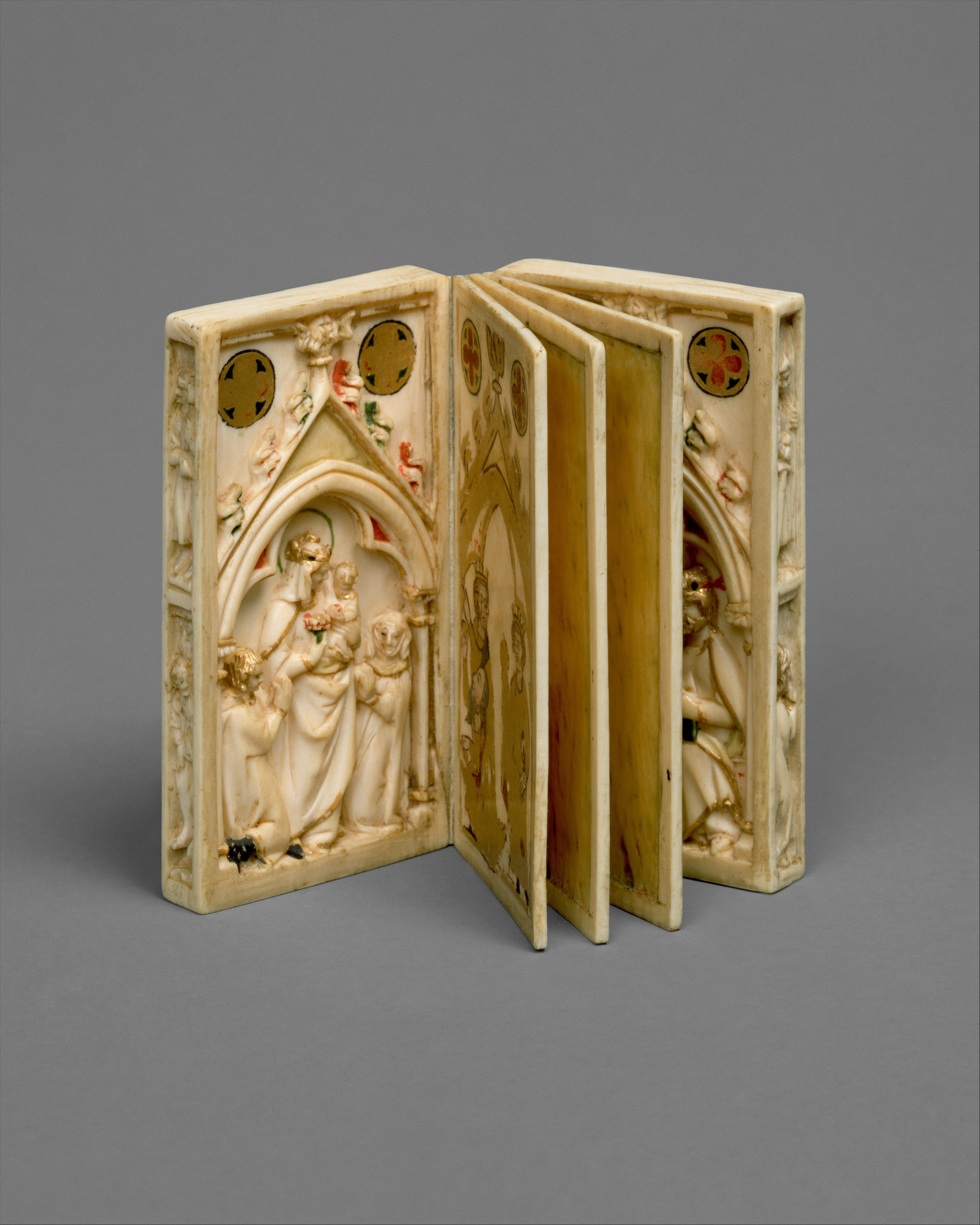
Executive Heritage Analysis: The Passion Booklet as a Symbolic and Strategic Artifact
This research paper presents a comprehensive heritage analysis of the Booklet with Scenes of the Passion, a rare devotional object combining North French ivory carving with Upper Rhenish polychromy and gilding. As a Lead Heritage Curator for Katherine Fashion Lab, I examine this artifact through the lenses of symbolic power, historical adornment, spiritual meaning, and its potential application in a 2026 high-end luxury strategy. The object’s materiality—elephant ivory, polychromy, and gilding—offers a rich case study for understanding how luxury brands can leverage historical craftsmanship and sacred symbolism to cultivate exclusivity, narrative depth, and emotional resonance in contemporary markets.
Symbolic Power: The Passion Narrative as a Tool of Spiritual and Temporal Authority
Narrative as a Symbol of Sacrifice and Redemption
The Booklet with Scenes of the Passion depicts the final hours of Christ’s life, from the Agony in the Garden to the Crucifixion and Resurrection. In medieval Northern France and the Upper Rhine region, such imagery served as a mnemonic device for private devotion, allowing the owner to meditate on suffering and salvation. Symbolically, the Passion narrative represents ultimate sacrifice, redemption, and divine love—themes that transcend religious boundaries and resonate with universal human experiences of endurance and transformation. For a luxury brand, this symbolic power can be harnessed to communicate enduring value, ethical commitment, and the transformative journey of the wearer or collector.
Ivory as a Medium of Prestige and Purity
Elephant ivory, sourced from African or Asian elephants, was a material reserved for the elite in medieval Europe. Its creamy white hue, fine grain, and ability to hold intricate carvings made it a symbol of purity, wealth, and divine favor. The choice of ivory for this booklet signals the owner’s high social status and spiritual devotion. In a 2026 luxury context, the symbolic power of ivory—now ethically controversial—can be reinterpreted through sustainable alternatives such as responsibly sourced tagua nut, fossilized mammoth ivory, or high-grade synthetic composites that mimic its aesthetic while respecting modern ethical standards. The visual memory of ivory’s luminosity remains a potent symbol of rarity and refinement.
Historical Adornment: Craftsmanship as a Marker of Cultural Identity
North French Carving Tradition
The carving of this booklet reflects the Gothic style prevalent in Northern France during the 14th century. Artisans in Paris and other centers excelled in micro-carvings that depicted complex biblical scenes with remarkable detail. The booklet’s sequential panels, each only a few centimeters tall, required extraordinary precision and an understanding of narrative flow. This tradition of miniature craftsmanship parallels the haute joaillerie techniques used today by luxury houses like Van Cleef & Arpels or Cartier, where invisible settings, micro-mosaic, and enamel work create objects of intimate wonder. The historical adornment of such booklets also included metal clasps, silk covers, or leather bindings, further enhancing their status as portable treasures.
Upper Rhenish Polychromy and Gilding
The addition of polychromy (multi-colored paint) and gilding (gold leaf) by Upper Rhenish artists transformed the ivory carving into a vibrant, luminous object. The use of vermilion, azurite, and gold not only heightened visual impact but also symbolized divine light and the blood of Christ. This layering of materials—ivory, paint, gold—creates a tactile and visual richness that luxury brands can emulate through mixed-material design. For example, a 2026 handbag collection might combine smooth leather, hand-painted enamel, and 24-karat gold hardware to evoke the same sense of sacred opulence. The historical adornment also underscores the value of artisan collaboration across regions, a model that luxury brands can adopt through cross-disciplinary partnerships with master craftspeople in different countries.
Spiritual Meaning: The Object as a Mediator Between Earth and Heaven
Private Devotion and the Portable Altar
This booklet was likely used in private prayer by a noble or monastic owner. Its small size allowed it to be carried during travel or worn as a pendant, functioning as a portable altar. The act of opening the booklet and viewing the scenes was a ritualized experience that connected the owner to the Passion of Christ. In a modern luxury context, this spiritual meaning can be translated into objects that facilitate mindfulness and personal reflection. A 2026 luxury collection might include limited-edition lockets, prayer beads, or miniature reliquaries that incorporate sacred geometry, gemstones, or personalized inscriptions, offering consumers a sense of inner peace and exclusivity.
The Role of Light and Color in Spiritual Experience
The gilding and polychromy were not merely decorative; they caught and reflected candlelight, creating a dynamic visual experience that mimicked divine illumination. The play of light on gold and pigment was intended to elevate the viewer’s spirit. Luxury brands today can replicate this effect through high-polish metals, iridescent finishes, and strategic use of lighting in retail spaces. For instance, a 2026 flagship store might feature gilded display cases with LED backlighting that shifts color to evoke different spiritual moods, from dawn (hope) to twilight (resurrection). The spiritual meaning of the booklet thus informs a sensory branding strategy that appeals to the consumer’s desire for transcendence.
2026 High-End Luxury Strategy: Translating Heritage into Contemporary Relevance
Reinterpreting the Passion Narrative as a Brand Story
For Katherine Fashion Lab, the Passion narrative offers a powerful archetype of transformation. In a 2026 luxury strategy, the brand can create a capsule collection titled “The Passion” that uses visual motifs from the booklet—such as the crown of thorns, the cross, or the empty tomb—as abstracted patterns on silk scarves, leather goods, or jewelry. Each piece would come with a digital certificate explaining its symbolic origin, thereby educating the consumer and adding narrative value. This approach aligns with the growing demand for meaningful luxury over conspicuous consumption.
Ethical Materiality and Craftsmanship
Given the ethical concerns around elephant ivory, Katherine Fashion Lab should explicitly disavow the use of new ivory while honoring the historical material through sustainable alternatives. The brand could partner with renewable resources like tagua nut (often called “vegetable ivory”) or reclaimed fossilized mammoth ivory, which carries its own historical weight. The polychromy and gilding can be reimagined through hand-painted enamel and recycled gold, emphasizing artisanal labor and environmental responsibility. A 2026 marketing campaign could highlight the journey from raw material to finished object, drawing parallels to the Passion narrative’s themes of suffering and redemption.
Exclusivity Through Limited Editions and Ritualized Experience
The booklet’s original function as a private devotional object suggests a strategy of extreme exclusivity. Katherine Fashion Lab could produce only 33 pieces (symbolizing the 33 years of Christ’s life) in a “Passion Collection,” each numbered and accompanied by a handwritten manuscript from an art historian. The purchase experience could include a private viewing in a candlelit salon, recreating the intimate atmosphere of medieval devotion. This ritualized luxury appeals to high-net-worth individuals seeking authenticity and spiritual connection in an age of mass production.
Cross-Cultural Collaboration and Regional Identity
The booklet’s creation involved artisans from two distinct regions—North France and the Upper Rhine—suggesting a collaborative model that luxury brands can adopt. For 2026, Katherine Fashion Lab might commission French and German master craftspeople to co-create a limited series of objects, such as a leather-bound journal with ivory-like inlays. This strategy celebrates regional heritage while fostering a narrative of unity through craftsmanship, resonating with the European luxury market’s appreciation for cultural roots.
Conclusion: The Passion Booklet as a Blueprint for Timeless Luxury
The Booklet with Scenes of the Passion is more than a historical artifact; it is a blueprint for how luxury brands can integrate symbolic power, historical adornment, and spiritual meaning into a cohesive strategy. By studying its material choices, narrative depth, and ritualistic function, Katherine Fashion Lab can develop a 2026 high-end luxury line that appeals to consumers’ desire for ethical exclusivity, emotional resonance, and transformative experiences. The key is to honor the past without replicating it, using the booklet’s essence as a guide for innovation in an ever-evolving market.