The Silent Architecture of Silk: A Couture Analysis of a Japanese Masterpiece
In the rarefied world of haute couture, where fabric is both medium and message, few materials command the same reverence as silk. Yet, when silk is sourced from Japan—a nation whose textile heritage is woven into the very fabric of its cultural identity—the material transcends mere luxury. At Katherine Fashion Lab, we have the privilege of examining a singular piece that embodies this transcendence: a standalone garment that is neither a dress nor a robe, but a sculptural dialogue between tradition and modernity. This analysis deconstructs the piece through the lens of material provenance, structural innovation, and cultural resonance.
Material Provenance: The Soul of Japanese Silk
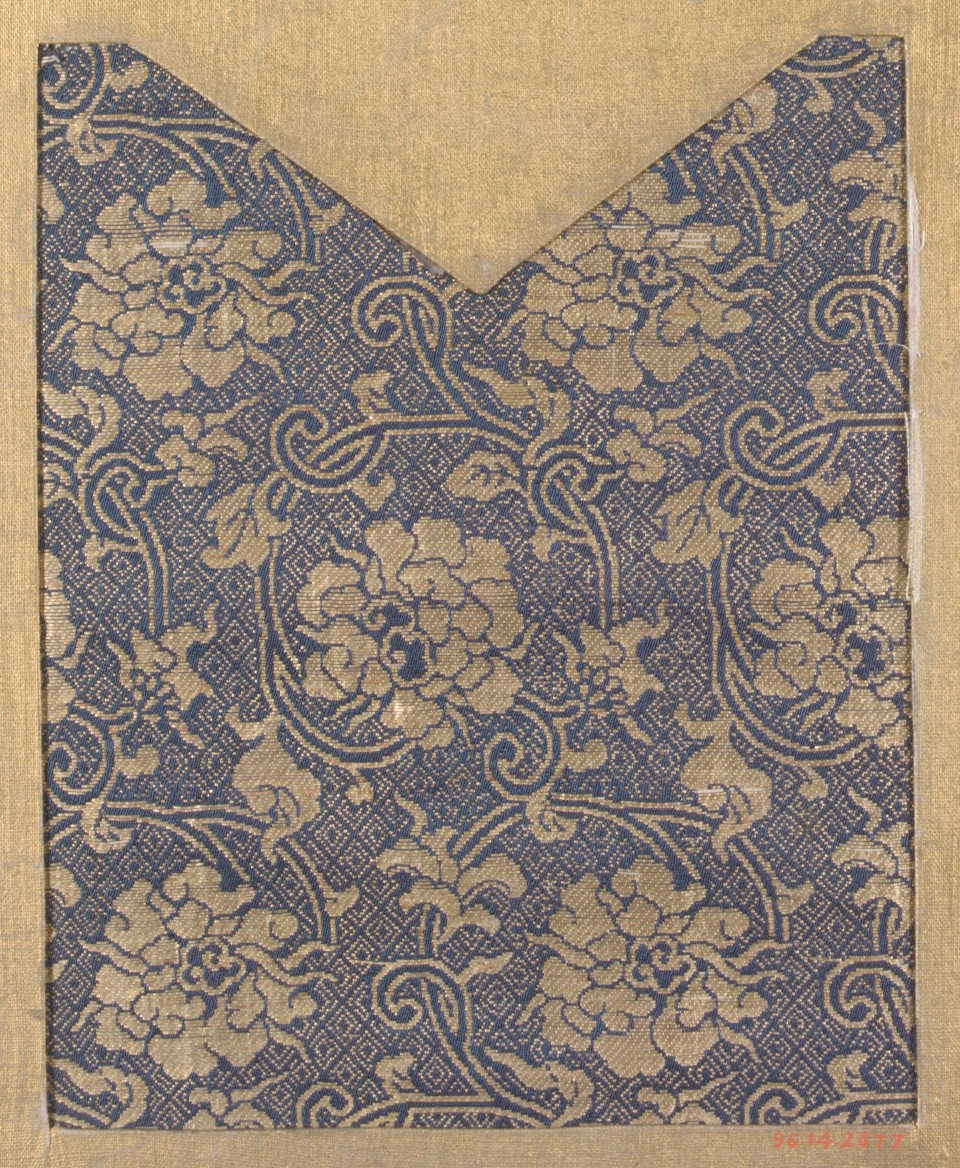
The foundation of this piece is a custom-woven Habutae silk, a variety prized for its unparalleled luster and weight. Unlike standard charmeuse or crepe de chine, Habutae—often called "the skin of the mulberry worm"—is produced through a painstaking process of hand-reeling and degumming that preserves the natural sericin content. The result is a fabric that feels almost liquid to the touch, yet possesses a surprising tensile strength. This specific batch was sourced from the Fukui Prefecture, a region renowned for its 1,200-year tradition of silk weaving. The yarns are dyed using a technique called “shibori-zome”, a resist-dye method that creates subtle, undulating gradients of indigo and charcoal. The effect is not a pattern but a memory—a visual echo of water ripples on a still pond.
This choice of material is not arbitrary. In Japanese aesthetics, silk is not merely a textile; it is a vessel for “ma” (間), the concept of negative space and interval. The fabric’s natural sheen captures light in a way that suggests both presence and absence, allowing the garment to breathe with the wearer’s movement. The piece’s weight—approximately 1.2 kilograms—is calibrated to drape without collapsing, a feat achieved through a double-layer construction that sandwiches a gossamer-thin layer of raw silk between two outer panels. This technique, borrowed from the “kimono” tailoring tradition, ensures that the garment maintains its shape while offering a tactile experience that is both soft and resilient.
Structural Innovation: Beyond the Kimono Silhouette
At first glance, the piece appears to be a reimagining of the classic “haori” jacket—a hip-length outer garment worn over a kimono. Yet, upon closer inspection, the design subverts every expectation. The silhouette is asymmetric, with a single, sweeping shoulder that extends into a cape-like panel on the right side, while the left side remains fitted to the body. This asymmetry is not decorative but functional: it creates a dynamic interplay between volume and restraint, allowing the wearer to move freely while maintaining a sculptural presence.
The construction employs a “mokume” (木目) seam technique, where edges are folded and stitched with a precision that mimics the grain of wood. Each seam is hand-finished with a silk thread that matches the fabric’s shade, rendering the joins almost invisible. The interior is lined with a “rinzu” silk—a jacquard-woven fabric with a subtle geometric pattern of interlocking circles, symbolizing eternity and continuity. This lining is not hidden; it is revealed through deliberate cutouts at the hem and cuffs, offering glimpses of the garment’s inner architecture.
Perhaps the most striking structural element is the “obi-inspired” waistband. Unlike a traditional obi, which is a separate accessory tied around the torso, this waistband is integrated into the garment itself. It is constructed from a double layer of silk, stiffened with a “shin” (芯) of handmade washi paper, and fastened with a single, oversized knot that echoes the “taiko” (drum) knot of formal kimono. This knot is not merely decorative; it is the garment’s structural keystone, distributing the fabric’s weight across the hips and allowing the shoulders to remain free of tension.
Cultural Resonance: The Garment as a Haiku
To understand this piece is to understand the Japanese principle of “wabi-sabi”—the beauty of imperfection and transience. The fabric’s shibori dyeing creates subtle irregularities that are not flaws but intentional marks of the artisan’s hand. The asymmetry, far from being a design quirk, is a nod to the “fukinsei” (不均整) aesthetic, which values imbalance as a source of visual tension and interest. Every element of the garment—from the hand-rolled hem to the silk-wrapped buttons—speaks to a philosophy where craftsmanship is a form of meditation.
Yet, this piece is not a museum relic. It is a contemporary couture work that engages with global fashion discourse. The silhouette references the “Miyake” tradition of pleating and draping, while the color palette—deep indigo fading to charcoal—evokes the “sumi-e” ink wash paintings of the Edo period. The result is a garment that feels both ancient and futuristic, as if it were excavated from a time capsule and reimagined for the 21st century. The absence of visible closures—no buttons, zippers, or hooks—creates a seamless surface that invites touch and contemplation. This is a piece that demands to be experienced, not merely worn.
Wearability and Versatility: A Study in Controlled Drama
Despite its sculptural ambition, the piece is surprisingly versatile. It can be worn as a standalone outer layer over a simple silk slip, or as a dramatic accent over tailored trousers. The integrated waistband allows for multiple styling options: the knot can be positioned at the front, side, or back, altering the garment’s entire silhouette. The cape-like panel can be draped over the shoulder for a more formal look, or left open for a casual, flowing effect. This adaptability is a testament to the designer’s understanding of modern wardrobing, where a single piece must serve multiple contexts—from gallery openings to intimate dinners.
The garment’s weight and drape also make it suitable for both temperate and cooler climates. The double-layer construction provides insulation without bulk, while the silk’s natural thermoregulating properties ensure comfort in fluctuating temperatures. For the wearer, this piece is not just a statement but a companion—a second skin that adapts to the body’s rhythms.
Conclusion: The Legacy of a Singular Piece
In an era of fast fashion and disposable trends, this Japanese silk piece from Katherine Fashion Lab stands as a quiet revolution. It reminds us that couture is not about excess but about essence—about the dialogue between material and maker, tradition and innovation. The garment’s silent architecture speaks volumes: of the hands that spun the silk, the artisans who dyed and wove it, and the designer who dared to reimagine the kimono for a global audience. This is not merely a piece of clothing; it is a meditation on time, texture, and the enduring power of craftsmanship. For the discerning collector, it is an heirloom in the making—a testament to the beauty that emerges when culture meets couture.