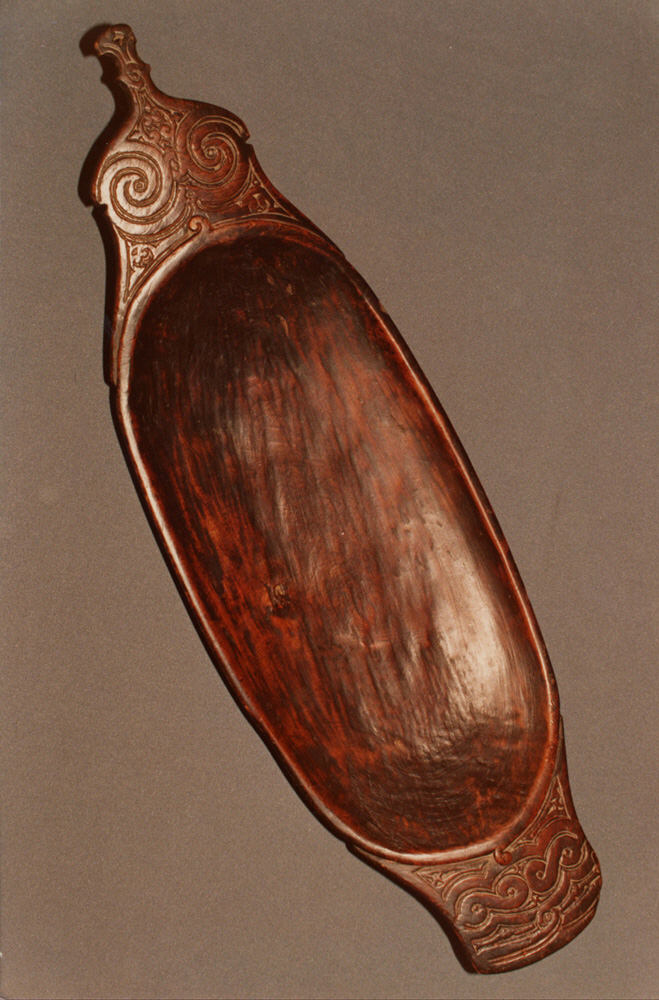
The Ceremonial Dish: A Study in Wood, Form, and Ritual
In the rarefied world of couture analysis, the object is rarely merely functional. It is a statement of philosophy, a vessel of cultural memory, and a testament to the mastery of material. At Katherine Fashion Lab, our latest standalone study focuses on the Ceremonial Dish from Japan, rendered in wood. This is not a tableware item in the Western sense; it is a sculptural meditation on the intersection of nature, ritual, and aesthetic restraint. Through the lens of high-fashion design thinking, we deconstruct this object to reveal its profound implications for materiality, form, and the silent language of ceremony.
Material as Narrative: The Soul of Wood
The choice of wood is the first and most critical design decision. In Japanese craftsmanship, wood is not an inert substrate but a living archive. The Ceremonial Dish is typically carved from species such as hinoki (Japanese cypress), keyaki (zelkova), or kuri (chestnut), each bearing a distinct grain, density, and aromatic signature. Unlike metal or ceramic, wood breathes. It responds to humidity, temperature, and the oils of human hands, evolving over decades into a patina that records its history of use.
From a couture perspective, this materiality parallels the concept of slow fashion and sustainability. A wooden dish is not mass-produced; it is coaxed from a single block by a kijishi (wood turner) or sashimono-shi (joiner) who respects the tree’s original growth pattern. The grain is not hidden but celebrated, much like the weave of a couture fabric that dictates the drape of a gown. The dish’s surface may be finished with urushi lacquer—a natural resin derived from the sap of the Japanese lacquer tree—which seals the wood while allowing its texture to remain tactile. This is not a glossy, opaque coating; it is a translucent dialogue between human intervention and organic origin.
Form and Function: The Geometry of Silence
The silhouette of the Ceremonial Dish is deceptively simple. It often eschews sharp angles for gentle curves, mimicking the organic flow of a river stone or a leaf. The rim may be asymmetrical, a deliberate choice known as fukinagashi (flowing asymmetry), which introduces a dynamic tension. This asymmetry is not random; it is a calculated disruption of perfection, a nod to the wabi-sabi aesthetic that finds beauty in impermanence and imperfection.
In couture, silhouette is paramount. This dish’s form is analogous to a haute couture garment that deconstructs the traditional line—a jacket that drapes off one shoulder, a skirt that pools unevenly at the hem. The dish’s interior may feature a subtle depression, a “well” that guides the placement of food, whether it be a single piece of kaiseki cuisine or a ceremonial offering of rice. This depression is not a functional afterthought; it is a spatial directive, much like the cut of a neckline that draws the eye to the collarbone.
The scale is equally intentional. A Ceremonial Dish is rarely large; it is intimate, meant to be held in two hands or placed at close proximity to the diner. This forces a reduction of distraction, compelling the user to focus on the present moment—the color of the food, the texture of the grain, the weight of the dish. This is the antithesis of the oversized, attention-grabbing accessories of fast fashion. It is a study in negative space, where absence becomes presence.
Ritual and Context: The Choreography of Use
To understand the Ceremonial Dish is to understand its role in Japanese ritual. It is not a passive container but an active participant in the tea ceremony (chanoyu), kaiseki dining, or Shinto offerings. In the tea ceremony, for example, the dish that holds the kaiseki meal is selected to complement the season, the host’s intention, and the guest’s status. The act of receiving the dish involves a choreographed sequence: a bow, a rotation of the bowl with the right hand, a pause to admire the glaze or grain, and a slow, deliberate lift to the lips.
This choreography mirrors the runway presentation of a couture collection. The garment is not just worn; it is performed. The model’s walk, the turn, the gesture of adjusting a sleeve—all are part of a narrative. Similarly, the Ceremonial Dish is activated by the user’s movements. The way one holds it—cupping the base, supporting the rim—transforms the object from static artifact to dynamic experience. The wood warms to the touch, releasing its subtle scent, creating a multisensory dialogue that no synthetic material can replicate.
Cultural Translation: From Tradition to Global Couture
At Katherine Fashion Lab, we recognize that the Ceremonial Dish is not a relic but a living design principle. Its lessons are directly applicable to contemporary couture. The emphasis on material honesty—using wood in its purest form—challenges the fashion industry’s reliance on synthetic blends and disposable finishes. The dish’s minimalist form offers a counter-narrative to maximalist trends, advocating for a wardrobe of fewer, more meaningful pieces that age gracefully.
Moreover, the dish embodies a philosophy of intentionality. In a world of fast consumption, it demands pause. This is the same ethos that drives the creation of a couture gown that takes hundreds of hours to hand-stitch, where every seam is a commitment to quality over quantity. The Ceremonial Dish teaches us that luxury is not abundance but precision—the precise curve of a rim, the precise grain of a wood, the precise moment of its use.
Conclusion: The Dish as a Mirror
In this standalone study, the Ceremonial Dish from Japan, carved from wood, reveals itself as a masterclass in couture principles: material as narrative, form as silence, and ritual as choreography. It is an object that refuses to be merely decorative; it is a functional sculpture that elevates the mundane into the sacred. For the fashion professional, it is a reminder that the most profound design often speaks the softest. As we continue to explore the intersection of cultural heritage and modern luxury, this dish stands as a quiet, enduring icon—a testament to the power of wood, the poetry of geometry, and the elegance of a single, intentional gesture.