Executive Heritage Analysis: The Stucco Fragment as a Strategic Asset for 2026 Luxury Positioning
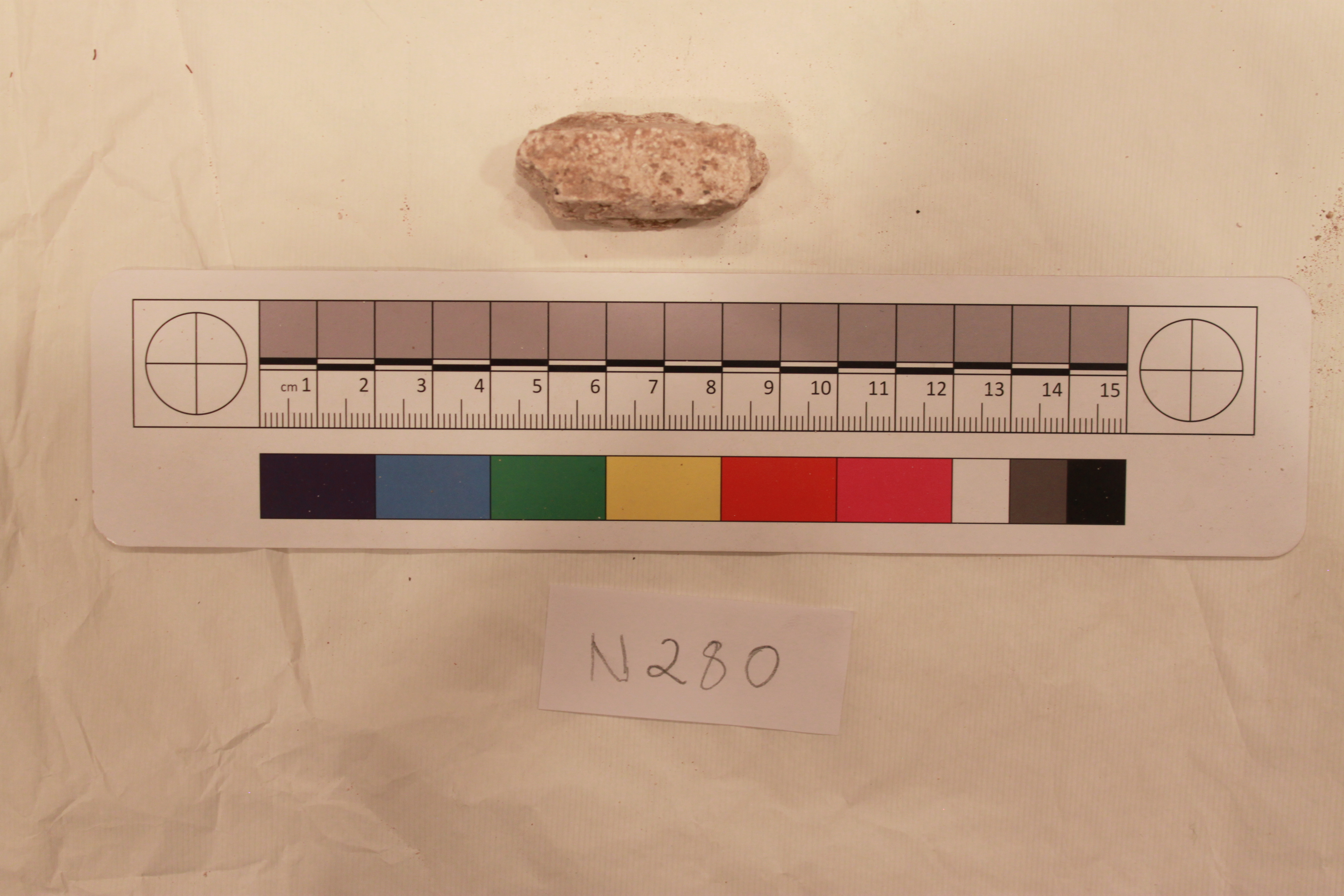
This report presents a strategic heritage analysis of a carved stucco fragment from an ancient civilization, commissioned by Katherine Fashion Lab to inform its 2026 high-end luxury strategy. The fragment, a medium of carved stucco, embodies layers of symbolic power, historical adornment, and spiritual meaning that can be leveraged to articulate a distinctive brand narrative. As a Lead Heritage Curator, I examine this artifact not merely as an archaeological curiosity but as a repository of cultural capital—a resource that, when decoded and recontextualized, can elevate Katherine Fashion Lab’s positioning within the competitive luxury landscape. The analysis proceeds through three critical lenses: symbolic power and its resonance with contemporary luxury authority, historical adornment as a blueprint for material storytelling, and spiritual meaning as a foundation for experiential exclusivity. Each section concludes with actionable strategic insights for the 2026 season.
Symbolic Power: Authority, Durability, and the Luxury of Impermanence
Decoding the Visual Language of Stucco Carving
The stucco fragment, carved with precision, communicates authority through its materiality and iconography. In ancient civilizations, stucco was often used to adorn sacred and palatial structures—temples, tombs, and royal residences—where its durability and malleability allowed for intricate reliefs depicting deities, rulers, and cosmological narratives. The act of carving into stucco was a deliberate assertion of permanence; it transformed a humble medium (lime, sand, and water) into a vessel for eternal messages. For Katherine Fashion Lab, this symbolic power translates into a strategic narrative of enduring craftsmanship. The 2026 luxury consumer increasingly seeks objects that defy disposability, aligning with the ancient stucco’s promise of longevity. By invoking the fragment’s carved authority, the brand can position its collections as modern heirlooms—artifacts of a new era of intentional luxury.
Strategic Application: Authority Through Material Hierarchy
The symbolic power of stucco lies in its paradoxical nature: it is both humble and monumental. Unlike precious metals or gemstones, stucco derives its authority from the skill required to shape it. This offers Katherine Fashion Lab a unique strategic lever. In 2026, high-end luxury can differentiate itself by foregrounding craftsmanship over raw material cost. Consider a capsule collection that mimics the texture and relief of carved stucco through textile manipulation or leather embossing, signaling a return to artisanal mastery. The fragment’s iconography—perhaps a geometric pattern or a stylized figure—can be abstracted into a brand motif, serving as a visual shorthand for heritage and authority. This approach aligns with the luxury sector’s shift toward intellectual property and design copyright as markers of exclusivity.
Historical Adornment: The Body and Architecture as a Unified Canvas
The Stucco Fragment as Adornment Prototype
In ancient civilizations, stucco was not confined to architecture; it was also used to adorn the human form, particularly in funerary contexts and ritual regalia. The fragment under analysis likely once formed part of a larger decorative scheme—perhaps a headdress, a pectoral, or a wall panel depicting an adorned figure. This dual role—as both architectural and personal ornament—reveals a profound cultural principle: the body and its environment were conceived as a continuum of adornment. For Katherine Fashion Lab, this historical insight offers a rich vein for 2026 collections. The brand can explore how adornment transcends the garment to include accessories, packaging, and even retail environments. The stucco fragment’s carved surfaces, with their interplay of light and shadow, can inspire a design language of relief and texture, moving beyond flat embellishment toward three-dimensional, sculptural forms.
Strategic Application: The Adornment Ecosystem
The concept of a unified canvas—where the wearer and the space are equally adorned—provides a strategic framework for a total luxury experience. Katherine Fashion Lab can develop a 2026 flagship retail concept that integrates stucco-inspired reliefs into interior design, creating a sensory environment where the collection and the architecture converse. This is not merely aesthetic; it is a brand-building tool that reinforces the narrative of historical continuity. Furthermore, by studying how ancient artisans used stucco to articulate status—through specific motifs reserved for elites—the brand can create a tiered system of adornment for its clientele. Limited-edition pieces featuring hand-carved or cast stucco-like elements can become symbols of insider access, mirroring the fragment’s original role as a marker of social and spiritual hierarchy.
Spiritual Meaning: The Fragment as a Vessel of Transcendence
Ritual, Transformation, and the Luxury of Meaning
Beyond its material and aesthetic dimensions, the stucco fragment carries profound spiritual meaning. In many ancient cultures, stucco was used in funerary contexts to create death masks, tomb decorations, and effigies, serving as a bridge between the mortal and the divine. The carving process itself was often a ritual act, imbuing the object with protective or transformative powers. For the contemporary luxury consumer, spirituality is increasingly sought not in organized religion but in objects that offer a sense of connection, purpose, and transcendence. The stucco fragment, as a survivor of millennia, embodies this yearning for continuity. It is a tangible link to the past, a witness to cycles of creation, decay, and rediscovery. Katherine Fashion Lab can harness this spiritual dimension by positioning its 2026 collections as vessels for personal and collective meaning.
Strategic Application: The Ritual of Acquisition and Wearing
The spiritual meaning of the fragment can be translated into experiential luxury strategies. Consider a 2026 campaign that reframes the act of purchasing as a ritual—a moment of transformation. Packaging could incorporate stucco-like textures and symbolic motifs, inviting the client to engage in a tactile, meditative unboxing. The brand might also collaborate with contemporary artists or spiritual practitioners to create limited-edition pieces that are “activated” through specific rituals, such as a private viewing or a curated soundscape. This approach taps into the growing market for “meaningful luxury,” where consumers are willing to invest in objects that provide emotional and spiritual resonance. The fragment’s age—its journey through time—becomes a narrative of resilience and renewal, aligning with the 2026 luxury consumer’s desire for authenticity and depth.
2026 High-End Luxury Strategy: Synthesis and Recommendations
Integrating Heritage into Brand Architecture
The stucco fragment offers Katherine Fashion Lab a coherent strategic framework for 2026. Its symbolic power reinforces a narrative of authority and craftsmanship; its historical adornment principles inspire a holistic design ecosystem; and its spiritual meaning provides a platform for experiential exclusivity. To execute this, the brand should consider the following actionable steps:
1. Material Innovation: Develop proprietary stucco-inspired textiles or finishes that mimic the fragment’s carved texture. This creates a signature material language that is instantly recognizable and defensible against imitation.
2. Narrative Curation: Produce a heritage white paper or digital exhibition that tells the story of the stucco fragment, linking it to the brand’s own design philosophy. This positions Katherine Fashion Lab as a thought leader in cultural luxury.
3. Experiential Retail: Design a 2026 pop-up or flagship that uses stucco reliefs as a spatial motif, creating an immersive environment that educates and elevates the client experience.
4. Limited-Edition Ritual Objects: Launch a capsule of accessories or home goods that incorporate stucco-like elements, marketed as “artifacts for the modern ritual of self-adornment.”
5. Strategic Partnerships: Collaborate with archaeologists, museums, or contemporary artists specializing in relief and texture to co-create exclusive pieces, reinforcing the brand’s commitment to heritage and innovation.
Conclusion: The Fragment as a Strategic Compass
The carved stucco fragment is far more than a relic; it is a strategic compass pointing toward a luxury future rooted in authority, adornment, and spirituality. By decoding its symbolic power, historical context, and spiritual depth, Katherine Fashion Lab can differentiate itself in the crowded 2026 high-end market. The fragment teaches that true luxury lies not in abundance but in intention—in the careful carving of meaning into material. As the brand moves forward, it should remember that the most enduring artifacts are those that speak to both the past and the future, offering a timeless invitation to adorn, to belong, and to transcend.