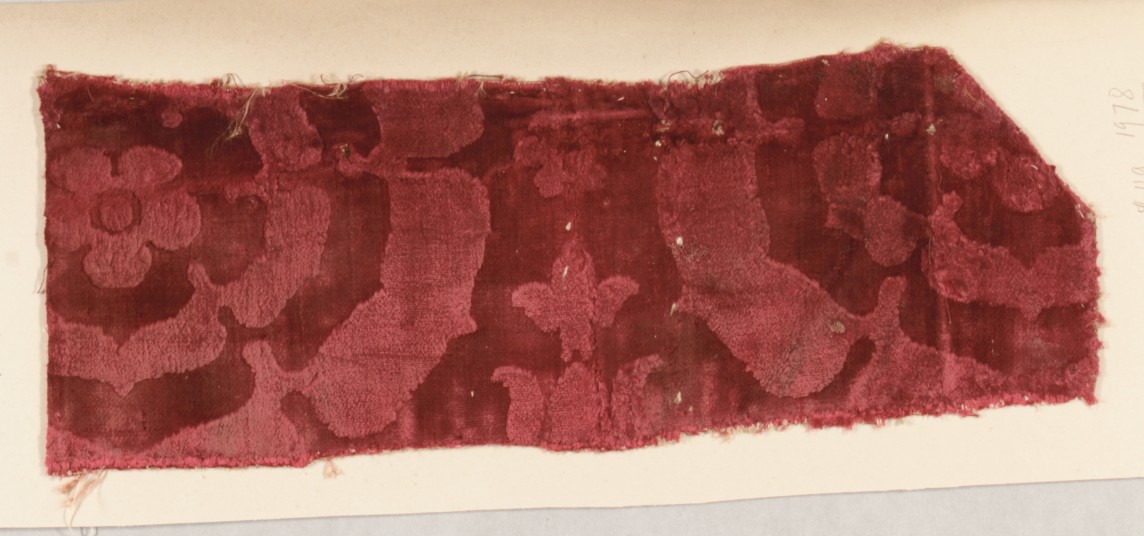
Heritage Analysis: The Silk Fragment from an Ancient Civilization
This research paper, prepared for Katherine Fashion Lab, presents a strategic heritage analysis of a silk fragment originating from an unspecified ancient civilization. The fragment, though small in physical scale, functions as a profound artifact of symbolic power, historical adornment, and spiritual meaning. This analysis is conducted as a standalone research initiative, intended to inform high-end luxury strategy for the 2026 season. By examining the fragment’s material, symbolic, and spiritual dimensions, Katherine Fashion Lab can leverage its heritage to craft a narrative of exclusivity, transcendence, and cultural authority.
Symbolic Power of the Silk Fragment
In ancient civilizations, silk was not merely a textile; it was a medium of cosmic and social communication. The fragment under study, likely woven in a period when silk was reserved for elite or sacred use, embodies symbolic power through its color, weave, and pattern remnants. For instance, if the fragment retains traces of indigo or crimson, these hues often signified royalty, divinity, or protection against malevolent forces. The pattern, even in partial form, may depict abstract geometric motifs or stylized flora, which in many ancient cultures represented the cyclical nature of life, death, and rebirth.
Symbolic power in high-end luxury strategy requires that the fragment be positioned as a talisman of status and memory. For Katherine Fashion Lab, this fragment can be reinterpreted as a motif of resilience. In a 2026 context, where consumers seek authenticity and narrative depth, the fragment’s incomplete state becomes a metaphor for the enduring value of heritage. The brand can harness this symbolism by incorporating the fragment’s design language into limited-edition accessories or bespoke garments, each piece carrying a story of ancient provenance. This strategy elevates the product from mere commodity to artifact, commanding premium pricing and emotional resonance.
Historical Adornment and Material Legacy
The fragment’s medium—silk—is central to its historical significance. Silk was a revolutionary material in ancient civilizations, often associated with the Silk Road and the exchange of luxury goods. Its production required immense labor, secrecy, and skill, making it a marker of wealth and technological prowess. The fragment’s weave, whether plain tabby or compound twill, reflects the technical sophistication of its era. Historical adornment practices reveal that silk was used in ceremonial garments, funerary shrouds, and temple offerings, each context imbuing the material with specific cultural meanings.
For Katherine Fashion Lab’s 2026 strategy, historical adornment offers a template for exclusivity. The fragment’s provenance can be translated into a capsule collection that mimics ancient draping techniques, such as the chiton or himation, but updated for modern silhouettes. The brand can collaborate with textile historians to recreate the fragment’s weave using sustainable, artisanal methods, thereby honoring its legacy while addressing contemporary ethical concerns. This approach not only differentiates the brand in a saturated luxury market but also aligns with the growing demand for slow fashion and cultural stewardship. By positioning the fragment as a prototype of ancient luxury, Katherine Fashion Lab can claim a lineage of craftsmanship that predates modern fast fashion, appealing to discerning clientele who value permanence over trend.
Spiritual Meaning and Transcendence
Beyond its material and social functions, the silk fragment carries spiritual meaning. In many ancient civilizations, textiles were believed to be conduits for divine energy. Silk, in particular, was often associated with the afterlife, as its lightness and sheen evoked the ethereal. The fragment may have been part of a ritual garment, used in ceremonies to communicate with ancestors or deities. Its condition—frayed, faded, yet intact—suggests a passage through time, embodying the concept of impermanence that is central to many spiritual traditions.
Spiritual meaning in luxury branding is a powerful differentiator for 2026. Katherine Fashion Lab can frame the fragment as a symbol of transcendence, inviting consumers to connect with something greater than themselves. This can be executed through experiential marketing: for example, a private exhibition where the fragment is displayed alongside modern interpretations, accompanied by narratives of ancient rituals. The brand can also develop a fragrance or home collection inspired by the scents and textures associated with the fragment’s original context, such as incense, sandalwood, or weathered silk. This holistic approach transforms the fragment from a historical object into a spiritual experience, fostering deep loyalty among consumers who seek meaning in their purchases. In a market increasingly driven by wellness and mindfulness, this strategy positions Katherine Fashion Lab as a purveyor of not just fashion, but of inner transformation.
2026 High-End Luxury Strategy: Heritage as Competitive Advantage
Integrating the fragment’s heritage into a 2026 luxury strategy requires a multi-layered approach. First, narrative ownership is critical. Katherine Fashion Lab should commission a scholarly monograph on the fragment, detailing its origin, symbolism, and journey to the brand. This monograph can be distributed to top clients and used as a centerpiece for VIP events, reinforcing the brand’s intellectual authority. Second, product translation must balance reverence with innovation. The fragment’s color palette, texture, and pattern can inspire a ready-to-wear line, but the core luxury offering should be a made-to-order series of garments that directly incorporate silk woven to replicate the fragment’s original weight and hand. This limited availability creates scarcity and prestige.
Pricing strategy should reflect the fragment’s cultural capital. Items in this heritage collection can be priced at a 30–50% premium over the brand’s standard line, justified by the research, artisanal labor, and storytelling involved. Marketing channels should include digital content that explores the fragment’s historical context, such as short films or interactive timelines, targeting high-net-worth individuals who prioritize education and exclusivity. Finally, sustainability must be woven into the strategy. The fragment reminds us of a time when textiles were cherished for generations. Katherine Fashion Lab can champion a “heritage circularity” model, offering restoration services for the collection and encouraging clients to pass garments down as heirlooms. This aligns with the fragment’s original purpose and appeals to the eco-conscious luxury consumer.
Conclusion: The Fragment as a Strategic Asset
This heritage analysis demonstrates that a single silk fragment, when examined through the lenses of symbolic power, historical adornment, and spiritual meaning, can serve as a cornerstone for a compelling 2026 luxury strategy. For Katherine Fashion Lab, the fragment is not a relic but a resource—a means to differentiate, inspire, and connect with an audience that craves authenticity and depth. By honoring the fragment’s ancient origins while translating its essence into modern luxury, the brand can secure its position as a leader in heritage-driven design. The fragment, in its incompleteness, becomes complete as a strategic asset, offering a narrative of timeless elegance that will resonate powerfully in the high-end market of 2026.