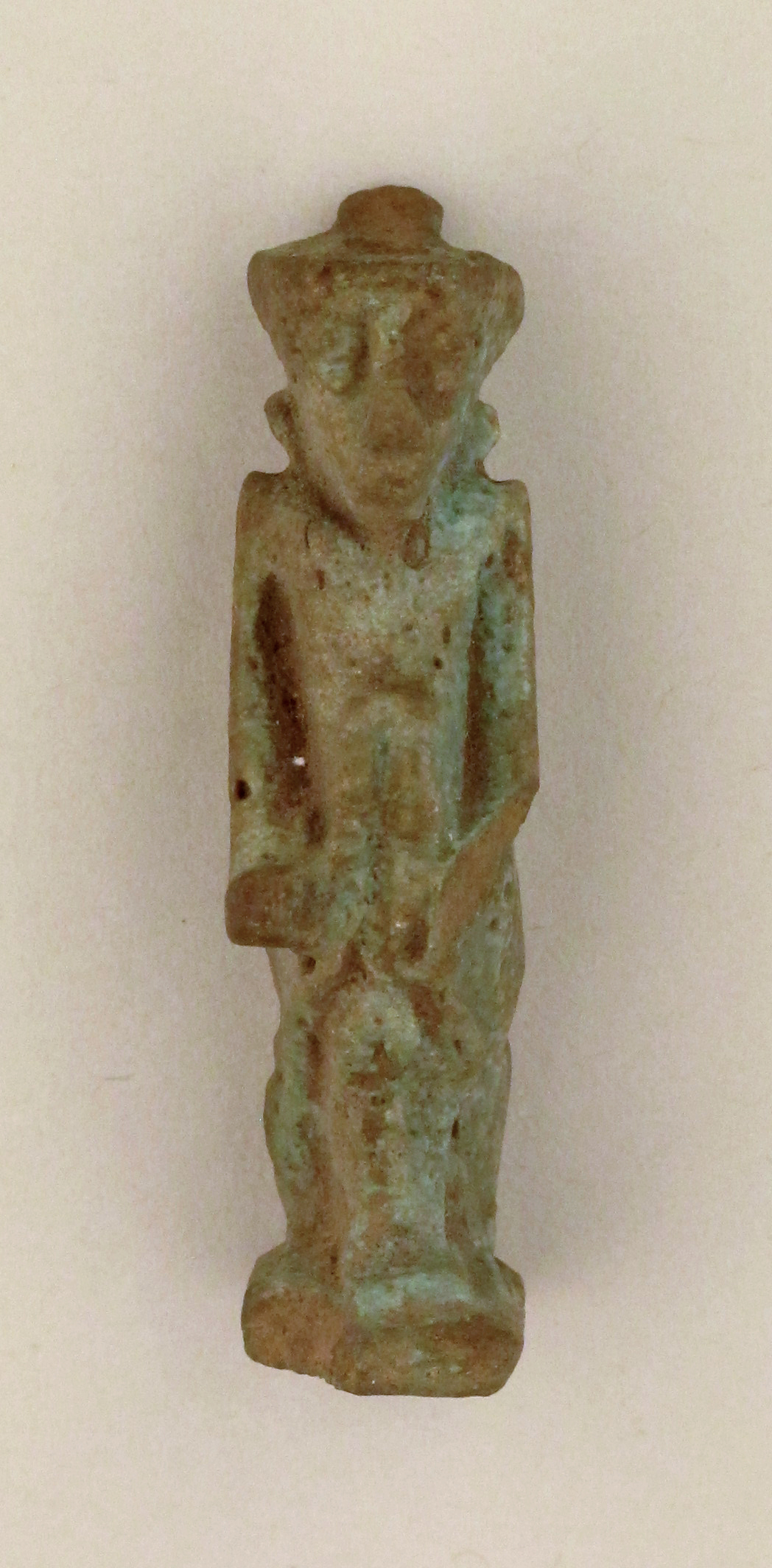
Heritage Analysis: The Faience Amulet of Taweret
Introduction: A Convergence of Symbolism and Luxury
The faience amulet of Taweret, a quintessential artifact of ancient Egyptian material culture, offers a profound case study in the intersection of symbolic power, historical adornment, and spiritual meaning. As Lead Heritage Curator for Katherine Fashion Lab, I have conducted a strategic standalone research analysis of this object to extract actionable insights for a 2026 high-end luxury strategy. This analysis demonstrates how the amulet's intrinsic properties—its material, iconography, and ritual significance—can inform a contemporary luxury narrative that resonates with discerning consumers seeking authenticity, protection, and transcendence.
Symbolic Power: The Hippopotamus Goddess as Protector
Taweret, the hippopotamus goddess of fertility, childbirth, and domestic protection, embodies a unique duality in Egyptian cosmology. Her composite form—combining the head of a hippopotamus, the limbs of a lion, and the back of a crocodile—signifies a formidable yet nurturing force. The amulet, typically worn by women during pregnancy and childbirth, served as a talisman against malevolent spirits and physical harm. This symbolic power is not merely decorative; it is a declaration of vulnerability transformed into strength. For Katherine Fashion Lab, this duality offers a compelling archetype for luxury branding: the empowered vulnerability of the modern woman. A 2026 collection could leverage Taweret’s protective symbolism to position garments and accessories as armor for the soul—objects that shield, empower, and affirm the wearer’s inner resilience. The amulet’s association with life transitions—birth, motherhood, and renewal—also aligns with luxury’s growing emphasis on life-stage narratives, where objects become heirlooms imbued with personal significance.
Historical Adornment: Faience as a Medium of Prestige
Faience, a self-glazing ceramic composed primarily of crushed quartz, was a hallmark of Egyptian craftsmanship. Its brilliant blue-green hue, achieved through the addition of copper oxides, was not accidental; it replicated the color of the Nile and the sky, linking the wearer to cosmic and earthly fertility. Historically, faience amulets were accessible to a broad spectrum of society, yet their production required specialized knowledge, making them markers of cultural literacy rather than mere economic status. This nuance is critical for high-end luxury strategy. In 2026, Katherine Fashion Lab can reframe faience as a metaphor for accessible exclusivity—a material that is both democratic in its appeal and elite in its execution. The amulet’s small scale (typically 2–5 cm) and portability also underscore the importance of micro-luxury: small, highly crafted objects that carry outsized meaning. A capsule collection of pendants, brooches, or even digital amulets (e.g., NFT-protected designs) could echo this historical precedent, offering clients a tangible connection to heritage while maintaining modern relevance.
Spiritual Meaning: Ritual Function and Transcendence
The spiritual dimension of the Taweret amulet extends beyond mere superstition. In Egyptian belief, amulets were activated through ritual—often placed on the body during specific life events or deposited in tombs to ensure safe passage into the afterlife. The amulet’s efficacy depended on its correct placement, material purity, and the recitation of magical spells. This ritualistic aspect introduces a profound layer of meaning for luxury consumers who increasingly seek experiential and transformative products. A 2026 strategy could incorporate ritualized purchase experiences, such as private consultations with heritage experts, personalized inscriptions, or ceremonial unboxings that mirror ancient consecration practices. The spiritual meaning also invites a narrative of continuity and rebirth: the amulet, though millennia old, remains a bridge between the mortal and the divine. Katherine Fashion Lab can position its offerings as vessels for such transcendence, emphasizing that luxury is not just about possession but about participation in a timeless story.
2026 High-End Luxury Strategy: Synthesis and Application
Drawing from this analysis, I propose a three-pillar strategy for Katherine Fashion Lab’s 2026 high-end luxury collection, tentatively titled "The Taweret Code."
Pillar One: Heritage as Authority. The faience amulet’s provenance—its archaeological and cultural lineage—must be foregrounded. Katherine Fashion Lab should collaborate with Egyptologists or museum curators to authenticate design inspirations, ensuring that each piece carries a verifiable heritage narrative. This could manifest as limited-edition pieces with certificates of cultural significance, or as a digital archive accessible via QR code. The goal is to position the brand as a custodian of heritage, not merely a borrower of motifs.
Pillar Two: Material as Metaphor. The faience medium, with its luminous blue-green finish, can be reinterpreted through contemporary materials. For instance, high-fired porcelain with metallic glazes, lab-grown gemstones in Nile hues, or even bio-engineered ceramics that mimic ancient faience’s self-glazing properties. These materials should evoke the same sense of preciousness and ephemerality—a nod to the fragility of ancient artifacts. The strategy should also embrace sustainable luxury: faience’s natural composition (quartz, clay, and plant ash) aligns with modern eco-conscious values, allowing the brand to market pieces as both timeless and environmentally responsible.
Pillar Three: Ritual as Experience. The spiritual meaning of the amulet demands a reimagining of the luxury retail journey. Katherine Fashion Lab could introduce ritualized product launches, such as a private event where clients receive their amulet in a handcrafted box inspired by Egyptian tomb chests, accompanied by a bespoke blessing or narrative card. Digital extensions could include augmented reality (AR) experiences that overlay the amulet’s protective symbolism onto the wearer’s environment. This transforms the purchase from a transaction into a transformative rite, aligning with the luxury sector’s shift toward experiential branding.
Conclusion: The Amulet as Strategic Compass
The faience amulet of Taweret is far more than a historical curiosity; it is a strategic compass for Katherine Fashion Lab’s 2026 high-end luxury strategy. Its symbolic power, historical adornment, and spiritual meaning offer a blueprint for creating objects that are not only beautiful but also deeply resonant. By embracing the amulet’s duality—protection and vulnerability, prestige and accessibility, ritual and modernity—Katherine Fashion Lab can forge a luxury narrative that is both intellectually rigorous and emotionally compelling. In a market saturated with transient trends, the Taweret amulet reminds us that true luxury is eternal, protective, and transformative. This heritage analysis serves as the foundational document for a collection that will not merely adorn but empower.