Heritage Analysis: The Scarab Inscribed for the God's Wife Hatshepsut
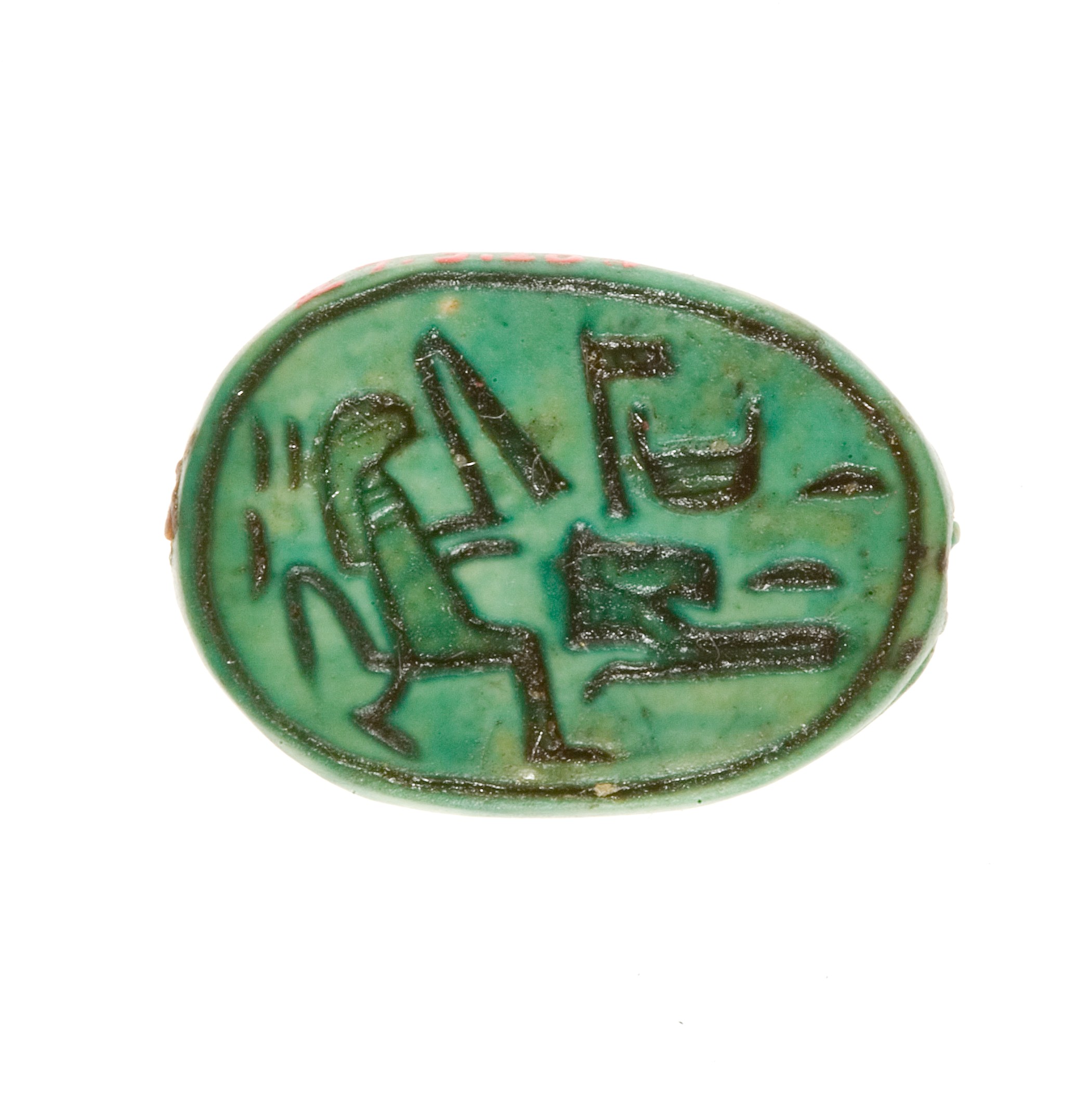
The scarab inscribed for the God's Wife Hatshepsut, a glazed steatite artifact from ancient Egypt, represents a confluence of symbolic power, historical adornment, and spiritual meaning that transcends its material form. For Katherine Fashion Lab, this object offers a strategic blueprint for embedding layered cultural narratives into high-end luxury design. As a Lead Heritage Curator, I analyze this artifact through the dual lenses of historical significance and contemporary market relevance, specifically for a 2026 luxury strategy that prioritizes authenticity, exclusivity, and transformative storytelling.
Symbolic Power: The Scarab as a Talisman of Authority and Renewal
The scarab beetle, in ancient Egyptian cosmology, was a potent symbol of rebirth, transformation, and divine protection. Its association with the sun god Khepri, who rolled the sun across the sky, imbued the scarab with metaphysical power. For Hatshepsut, who ruled as a pharaoh despite the patriarchal constraints of her time, the scarab was not merely decorative; it was a tool of legitimization. The inscription "God's Wife" refers to a high priestly title that Hatshepsut held before ascending to kingship, linking her earthly authority to celestial order. This dual function—personal amulet and political insignia—demonstrates how adornment can encode hierarchical power and cosmic alignment.
For Katherine Fashion Lab, this symbolic framework offers a model for creating pieces that function as modern talismans. A 2026 luxury collection could incorporate scarab motifs as emblems of personal reinvention and cultural capital. By referencing Hatshepsut’s strategic use of iconography, the brand can position its designs as artifacts of empowerment, appealing to clients who seek jewelry that transcends aesthetics to embody narrative depth. The scarab’s symbolism of cyclical renewal—birth, death, and resurrection—resonates with contemporary themes of sustainability and timelessness, key pillars for high-end consumers demanding longevity over trend-driven consumption.
Historical Adornment: Materiality and Craft as Status Markers
The medium of glazed steatite is instructive for understanding ancient luxury. Steatite, a soft soapstone, was chosen for its ease of carving, but the application of a blue-green glaze transformed it into a simulacrum of lapis lazuli or turquoise—stones associated with royalty and the heavens. This practice of material simulation reveals a sophisticated understanding of perceived value: the scarab’s power derived not from intrinsic rarity but from the ritual of transformation through craftsmanship. The glaze, often fired to a glassy finish, required technical skill that elevated the object beyond its humble base material.
In the context of historical adornment, scarabs were worn as rings, pendants, or amulets, often mounted on gold or woven into linen. Their placement on the body—over the heart or on the wrist—was intentional, designed to channel protective energy. For Hatshepsut, such adornment was both personal and public, a visual declaration of her divine favor and political legitimacy. This duality—intimate belief versus external display—is a tension that luxury brands can exploit. Katherine Fashion Lab can adopt a material philosophy that celebrates transformation: using base materials like ceramic, resin, or recycled metals that are elevated through artisanal processes, mirroring the glazed steatite’s journey from common stone to sacred object. This approach aligns with the 2026 luxury trend of conscious craftsmanship, where the narrative of making is as valuable as the final product.
Spiritual Meaning: The Scarab as a Bridge Between Worlds
Beyond its political utility, the scarab held profound spiritual meaning as a conduit for the soul’s journey in the afterlife. The heart scarab, often inscribed with spells from the Book of the Dead, was placed on the mummy to ensure the heart’s testimony during the Weighing of the Heart ceremony. For Hatshepsut, the scarab inscribed with her name and title served as a perpetual invocation of her identity, ensuring her continued existence in the Duat (the underworld). This function—as a mnemonic device for eternity—highlights the scarab’s role in negotiating the boundary between the material and the spiritual.
For high-end luxury strategy, this spiritual dimension offers a pathway to experiential branding. In 2026, consumers are increasingly seeking objects that provide meaning beyond utility, akin to talismans for well-being or success. Katherine Fashion Lab can design a "Scarab Legacy" line that incorporates personalized inscriptions or hidden symbols, allowing clients to embed their own narratives into the jewelry. This transforms the piece from a commodity into a personal artifact, echoing the scarab’s role as a carrier of identity across time. The spiritual resonance of renewal also supports a circular economy model, where the brand offers restoration or re-inscription services, extending the object’s lifecycle and deepening client loyalty.
2026 High-End Luxury Strategy: From Artifact to Archetype
To operationalize these insights, Katherine Fashion Lab must position the scarab not as a historical replica but as an archetypal form that can be reinterpreted for modern sensibilities. The following strategic pillars are recommended:
1. Narrative-Driven Design: Each piece should include a certificate of provenance that explains the scarab’s symbolic origins, linking it to Hatshepsut’s legacy of female leadership. This appeals to the 2026 luxury consumer’s desire for educational value and cultural depth. Collaboration with Egyptologists or contemporary artists can generate exclusive, limited-edition scarab motifs that fuse ancient iconography with abstract or minimalist aesthetics.
2. Material Alchemy: Embrace the glazed steatite’s principle of transformation by using innovative composites—such as lab-grown gemstones fused with recycled metals—that mimic ancient textures while adhering to sustainability standards. The glaze can be reinterpreted through ceramic coatings or enamel work, offering a tactile connection to the original artifact’s surface. This material storytelling creates a signature aesthetic that is instantly recognizable.
3. Ritualistic Marketing: Launch the collection with an immersive experience that evokes the spiritual context of the scarab. Pop-up installations could feature soundscapes of ancient Egyptian hymns, interactive displays on the Weighing of the Heart ceremony, or workshops on personal talisman creation. This experiential layer transforms purchasing into a rite of passage, reinforcing the brand’s role as a curator of meaning.
4. Exclusivity Through Customization: Offer bespoke scarab pieces where clients choose the inscription (in hieroglyphic or modern script) and gemstone accents, mirroring Hatshepsut’s personalization of her own scarab. This co-creation model builds emotional investment and justifies premium pricing, while also creating scarcity through limited production runs.
In conclusion, the scarab inscribed for Hatshepsut is a masterclass in using adornment to encode power, spirituality, and identity. For Katherine Fashion Lab, it provides a template for a 2026 luxury strategy that is intellectually rigorous, materially innovative, and spiritually resonant. By channeling the scarab’s essence—not as a static relic but as a living symbol—the brand can create objects that are not merely worn but inhabited, carrying forward the ancient tradition of objects that protect, empower, and transcend.