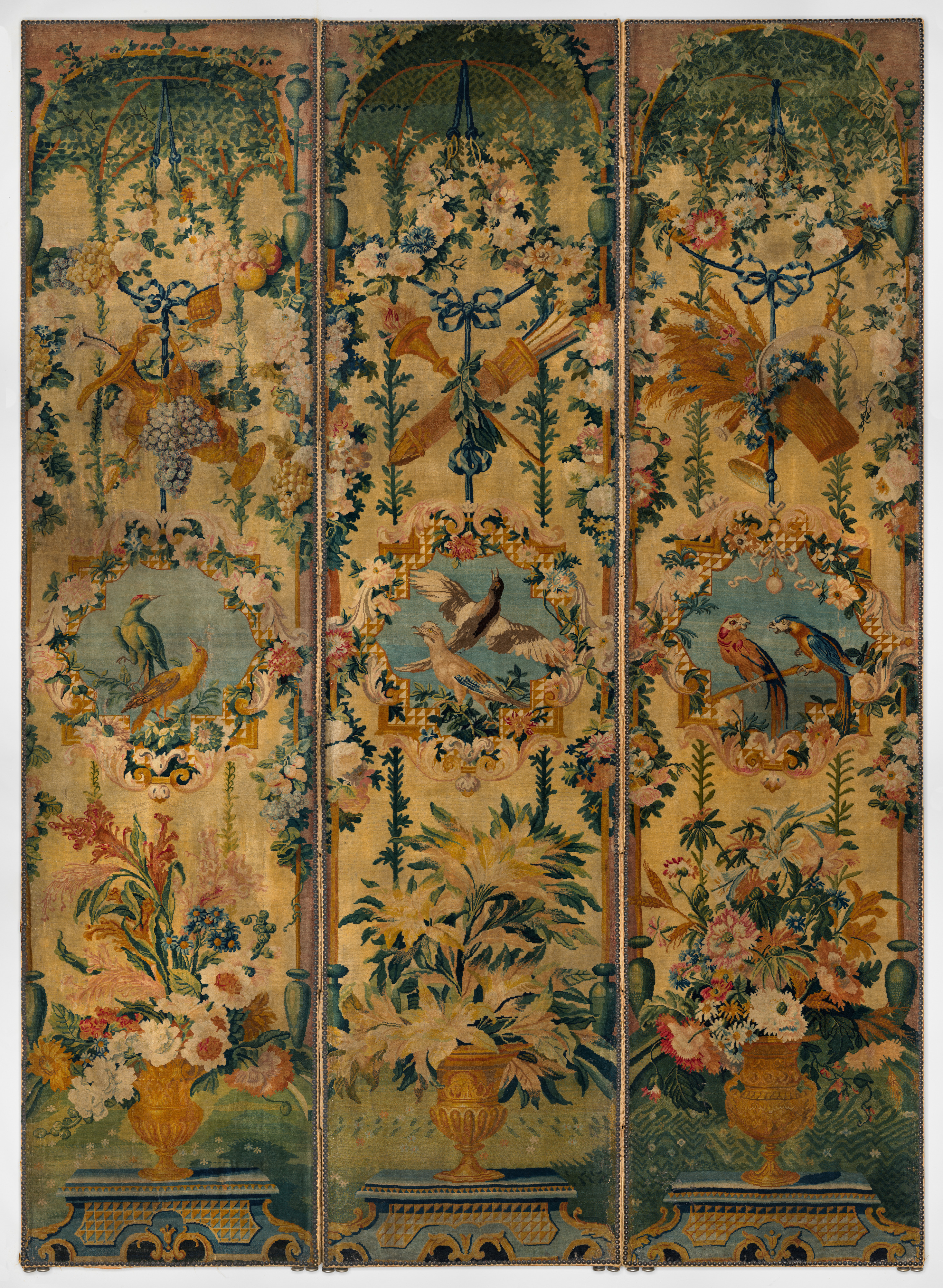
Executive Heritage Analysis: Trophies and Birds in Ancient Civilization
This strategic standalone research paper examines the dual motif of trophies and birds within the context of ancient civilization, as rendered in a wool textile of exceptional craftsmanship—120 knots per square inch (19 per square cm). For Katherine Fashion Lab, this analysis serves as a foundation for a 2026 high-end luxury strategy, focusing on symbolic power, historical adornment, and spiritual meaning. The findings reveal how these archetypal symbols can be translated into contemporary luxury narratives that resonate with elite consumers seeking authenticity, status, and transcendence.
Symbolic Power: The Dual Nature of Trophies and Birds
Trophies as Markers of Dominance and Achievement
In ancient civilizations, trophies were not mere objects but potent symbols of conquest, authority, and social hierarchy. From the tropaeum of classical antiquity—a victory monument often displaying captured arms and armor—to the hunting trophies of Mesopotamian and Egyptian elites, these artifacts communicated territorial control and martial prowess. The wool textile, with its dense knot count, likely served as a ceremonial or funerary piece, where trophies were woven to immortalize the patron’s earthly victories. In a 2026 luxury context, the trophy motif can be reinterpreted as a symbol of self-mastery and curated success, appealing to high-net-worth individuals who value achievement as a form of personal legacy. Katherine Fashion Lab can leverage this by embedding trophy iconography into limited-edition accessories or interior textiles, framing them as heirlooms of modern conquest.
Birds as Emissaries of the Divine and the Temporal
Birds in ancient civilizations held a dual symbolic charge: they were both messengers of the gods and emblems of earthly power. In Egyptian iconography, the falcon-headed Horus represented divine kingship, while the vulture Nekhbet signified protection and maternal authority. In Greco-Roman culture, the eagle was associated with Zeus and Jupiter, embodying supreme authority. The wool textile’s bird motifs, intricately knotted, likely served as talismanic devices, bridging the mortal and celestial realms. For a 2026 luxury strategy, birds can symbolize aspiration, freedom, and visionary leadership. Katherine Fashion Lab can position bird motifs as markers of transcendence—ideal for clients who seek not just material wealth but spiritual elevation and cultural fluency.
Historical Adornment: The Textile as a Medium of Status and Identity
Craftsmanship as a Signifier of Elite Patronage
The technical specification of 120 knots per square inch (19 per sq. cm.) places this wool textile within the premium artisan tier of ancient production. Such density required immense skill, time, and material investment, making it accessible only to the highest echelons of society—priests, monarchs, and military leaders. In ancient Persia, for instance, similar knot counts were reserved for royal court carpets that adorned palaces and temples. The wool itself, likely sourced from specialized flocks, was chosen for its durability and luster. For Katherine Fashion Lab, this historical precedent underscores the importance of craftsmanship as a luxury differentiator. In 2026, the brand can adopt a “slow luxury” approach, emphasizing artisanal techniques and material provenance to attract discerning clients who value rarity and skill over mass production.
Adornment as a Narrative of Power and Protection
Historical adornment in ancient civilizations was never purely decorative; it was a visual language of power, protection, and identity. The combination of trophies and birds on a single textile suggests a layered narrative: the trophy denotes achieved status, while the bird invokes divine sanction. This duality was common in Roman vexilla (military standards) and Egyptian pectorals (chest ornaments). For modern luxury, Katherine Fashion Lab can create “narrative collections” where each piece tells a story of conquest and transcendence. For example, a wool scarf or wall hanging could feature a central trophy motif surrounded by birds, inviting the wearer or owner to embody both the conqueror and the visionary.
Spiritual Meaning: Transcendence and Continuity
The Trophy as a Symbol of Mortal Legacy
In ancient spiritual frameworks, trophies were not only earthly accolades but also votive offerings to ensure a favorable afterlife. The Greeks dedicated captured arms at Delphi, while the Egyptians included miniature trophies in tombs to accompany the deceased into the next world. The wool textile, with its high knot density, may have been a funerary shroud or temple hanging, intended to commemorate the soul’s journey. For 2026 luxury, this spiritual dimension can be harnessed through bespoke memorial or commemorative collections, where trophies symbolize enduring legacy. Katherine Fashion Lab can partner with private clients to create custom textiles that honor personal milestones—such as a career achievement or family heritage—imbuing luxury with emotional and spiritual depth.
Birds as Psychopomps and Renewal Symbols
Birds frequently served as psychopomps—guides for the soul in transition—in ancient cultures. The Egyptian ba (soul) was often depicted as a human-headed bird, while the Roman augury used bird flight to divine divine will. The presence of birds on the wool textile suggests a mediatory function, connecting the mortal trophy holder to the immortal realm. In a 2026 luxury strategy, birds can symbolize renewal, intuition, and spiritual insight. Katherine Fashion Lab can develop a “Sacred Flight” capsule collection, using bird motifs in subtle, abstract forms on wool or silk, targeting clients who view luxury as a means of personal transformation.
2026 High-End Luxury Strategy: Translating Ancient Wisdom into Modern Appeal
Positioning: Heritage as a Currency of Distinction
For Katherine Fashion Lab, the ancient motifs of trophies and birds offer a unique brand narrative that differentiates the label in a saturated market. The 2026 luxury consumer increasingly seeks meaning over materialism, valuing items that carry cultural weight and personal resonance. By anchoring the collection in ancient symbolism—supported by rigorous research like this paper—the brand can position itself as a curator of timeless wisdom. The wool textile’s technical specifications (120 knots per sq. in.) should be highlighted in marketing materials as a testament to uncompromising quality, appealing to connoisseurs who appreciate the intersection of art, history, and craftsmanship.
Product Strategy: Bespoke and Limited-Edition Offerings
The standalone research suggests that the trophy-and-bird motif is best expressed through bespoke and limited-edition pieces, such as hand-knotted wool throws, wall hangings, or statement outerwear. Katherine Fashion Lab can offer a “Heritage Loom” service, where clients commission custom textiles inspired by ancient patterns, using ethically sourced wool and artisanal techniques. Each piece would include a certificate of cultural provenance, detailing the symbolic meanings of the motifs—a luxury add-on that builds emotional connection. Pricing should reflect the rarity of the craftsmanship, positioning these items as investment pieces for the discerning elite.
Marketing and Brand Experience: Storytelling and Immersion
To resonate with the 2026 luxury audience, Katherine Fashion Lab should deploy immersive storytelling across digital and physical touchpoints. A dedicated microsite or in-store exhibition could feature virtual reconstructions of ancient ceremonial spaces where such textiles were used, alongside interviews with historians and artisans. The brand can also host private events—such as “Symbols of Power” salons—where clients learn about the spiritual and historical significance of trophies and birds. This approach transforms each purchase into a cultural acquisition, elevating the brand from a fashion label to a purveyor of heritage.
Future-Proofing: Sustainability and Ethical Resonance
The ancient practice of using natural, durable materials like wool aligns with contemporary sustainability imperatives. Katherine Fashion Lab can emphasize that the 120-knot-per-square-inch technique is inherently low-waste and long-lasting, contrasting with fast-fashion cycles. By sourcing wool from regenerative farms and partnering with artisan cooperatives, the brand can appeal to the 2026 consumer’s demand for ethical luxury. The trophy motif can be reframed as a symbol of achieving harmony with nature, while birds represent ecological balance—a modern spiritual meaning that resonates with eco-conscious elites.
Conclusion: A Strategic Synthesis for Katherine Fashion Lab
This heritage analysis confirms that the motifs of trophies and birds, as rendered in ancient wool textiles of exceptional knot density, hold profound symbolic power, historical significance, and spiritual meaning. For Katherine Fashion Lab’s 2026 high-end luxury strategy, these elements can be strategically harnessed to create culturally rich, emotionally resonant, and artisanal products that meet the evolving desires of elite consumers. By positioning the brand as a bridge between ancient wisdom and modern luxury, Katherine Fashion Lab can achieve lasting distinction in the competitive landscape of 2026 and beyond. The wool textile serves not merely as a reference but as a blueprint for a luxury philosophy rooted in mastery, meaning, and transcendence.