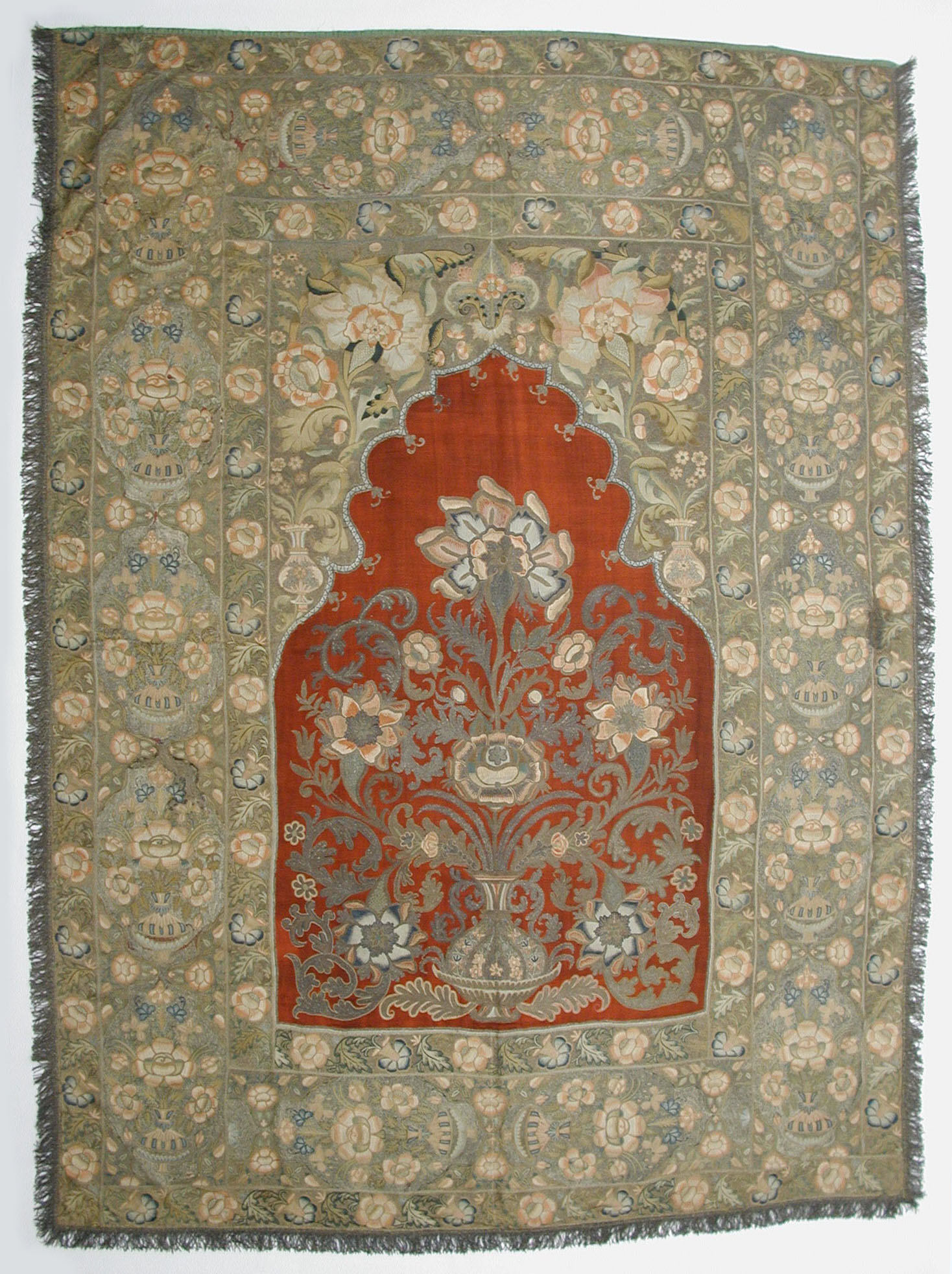
The Architectural Tapestry: Deconstructing Katherine Fashion Lab’s Panel
In the rarefied echelons of haute couture, where fabric becomes narrative and silhouette speaks in volumes, Katherine Fashion Lab’s Panel emerges as a masterclass in structural elegance. This standalone study, rooted in a philosophy of Global Heritage, transcends mere garment construction to become a dialog between the tactile and the conceptual. At first glance, the piece presents as a formidable architectural statement—a rigid, almost sculptural form that commands presence. Yet, upon closer inspection, it reveals a profound intimacy: a woven chronicle of cross-cultural artistry, executed in the luxurious tension of wool and silk, and hand-embroidered with the luminous precision of metal-wrapped thread. This is not simply a garment; it is a cartography of craft, a panel that partitions space and time, inviting the wearer and observer into a curated experience of material memory.
Material Dialectics: Wool, Silk, and the Weight of Heritage
The choice of wool and silk as the foundational materials is a deliberate exercise in dialectical design. Wool, with its inherent resilience and earthy gravitas, anchors the piece in a tradition of durability and warmth. It evokes the nomadic textiles of Central Asia, the robust tweeds of the Scottish Highlands, and the ceremonial cloaks of the Andes—each a testament to human adaptation to climate and culture. In contrast, silk introduces a fluid, luminous counterpoint. Its origins in ancient Chinese sericulture, later traversing the Silk Road, imbue the panel with a sense of journey and exchange. Together, these fibers create a textural conversation: the wool provides a matte, grounded surface that absorbs light, while the silk, woven into the structure or used as a base for embroidery, reflects it with a subtle, pearl-like sheen. This duality is not accidental; it mirrors the Global Heritage ethos of Katherine Fashion Lab, which seeks to harmonize disparate cultural threads into a cohesive, modern lexicon.
The weight of the panel is palpable. It hangs with the authority of a tapestry, yet drapes with the suppleness of a second skin—a paradox achieved through meticulous weaving. The wool’s density offers structure, while the silk’s tensile strength allows for controlled movement. This physicality is central to the garment’s narrative: it is meant to be felt, not just seen. The wearer experiences a constant, gentle resistance, a reminder of the fabric’s history and the hands that shaped it. This is couture as a sensorial archive.
The Embroidered Geography: Metal-Wrapped Thread as Narrative
Where the base materials establish a foundation of global resonance, the embroidery in silk and metal-wrapped thread elevates the panel into a cartographic artwork. The embroidery is not decorative in the conventional sense; it is a system of signs, a visual language that maps cultural intersections. The metal-wrapped thread—often gold or silver, but here rendered in a patinated bronze that suggests antiquity—catches light with each movement, creating a shifting constellation across the panel’s surface. This technique, historically associated with ecclesiastical vestments, imperial regalia, and the zardozi of Mughal India, speaks to power, ritual, and transcendence. Katherine Fashion Lab recontextualizes this opulence for the contemporary wardrobe, transforming it from a symbol of hierarchy to one of personal sovereignty.
The patterns themselves are abstract yet legible. Geometric motifs reminiscent of Islamic tessellations interlace with organic, flowing lines that echo the kelim weaves of Anatolia. Here, a stylized pomegranate—a symbol of fertility and abundance across Persian and Mediterranean cultures—is rendered in silk thread, its seeds tiny dots of metallic gold. There, a labyrinthine border recalls the Celtic knots of Ireland, their endless loops suggesting eternity and interconnection. This is not a pastiche but a synthesis. Each stitch is a deliberate act of cultural translation, a thread that ties the global to the local. The embroidery transforms the panel from a static object into a dynamic text, one that invites the viewer to trace its narratives with the eye and the hand.
Standalone Study: The Panel as Sculpture and Second Skin
As a standalone study, the Panel is freed from the constraints of a full collection. It exists as a concentrated investigation of form, material, and meaning. This autonomy allows Katherine Fashion Lab to push the boundaries of couture toward the sculptural. The panel is not merely a component of a larger garment; it is a complete statement—a wearable architecture that defines space around the body. Its construction suggests a modularity: it can be worn as a cape, a bodice, or a dramatic shoulder piece, its rigid lines contrasting with the softness of the skin. This versatility is a hallmark of modern luxury, where investment pieces must offer multiple lives.
The silhouette is severe yet sensual. A high, structured collar frames the face like a ceremonial yoke, while the panel’s body flares slightly at the hips, creating a silhouette that references both the corseted elegance of 19th-century Europe and the draped chitons of ancient Greece. The back, often overlooked in garment design, is treated with equal reverence: a cascade of embroidery that mimics a waterfall, its metal threads catching light as the wearer moves. This attention to the unseen speaks to a philosophy of holistic design, where every angle is considered a potential view.
Cultural Resonance: The Global Heritage Imperative
The Global Heritage origin of this piece is not a marketing label but a design imperative. In an era of cultural appropriation, Katherine Fashion Lab adopts a model of cultural appreciation through rigorous research and collaboration. The wool, sourced from sustainable farms in Patagonia and the Scottish Highlands, is processed with techniques that honor indigenous knowledge of fiber preparation. The silk, cultivated in the Mulberry groves of China’s Jiangsu province, is hand-reeled by artisans who maintain centuries-old traditions. The embroidery, executed in the ateliers of Mumbai and Paris, blends the precision of French broderie with the rhythmic, hand-stitched patterns of Indian aari work. This is a supply chain of respect, where each node in the production process is valued for its cultural and artisanal contribution.
The panel thus becomes a microcosm of global exchange—a fabric that carries the weight of history while pointing toward a more equitable future. It challenges the wearer to consider the origins of their luxury, to see clothing as a record of human ingenuity and connection. In this, Katherine Fashion Lab aligns with a growing movement in haute couture: the shift from spectacle to substance, from ephemeral trend to enduring artifact.
Conclusion: The Panel as a New Canon
Katherine Fashion Lab’s Panel is a triumph of conceptual and material rigor. It redefines the panel not as a fragment but as a whole—a standalone study that encapsulates the brand’s vision of fashion as a global, historical, and deeply personal art form. Through the interplay of wool and silk, the luminous cartography of metal-wrapped thread, and the sculptural autonomy of its form, the piece offers a new canon for couture: one where heritage is not a relic to be preserved but a living vocabulary to be spoken. For the discerning collector, this is not merely a garment to be worn; it is a textile to be studied, a story to be carried, and a legacy to be passed forward. In the panel, Katherine Fashion Lab has woven nothing less than a world.