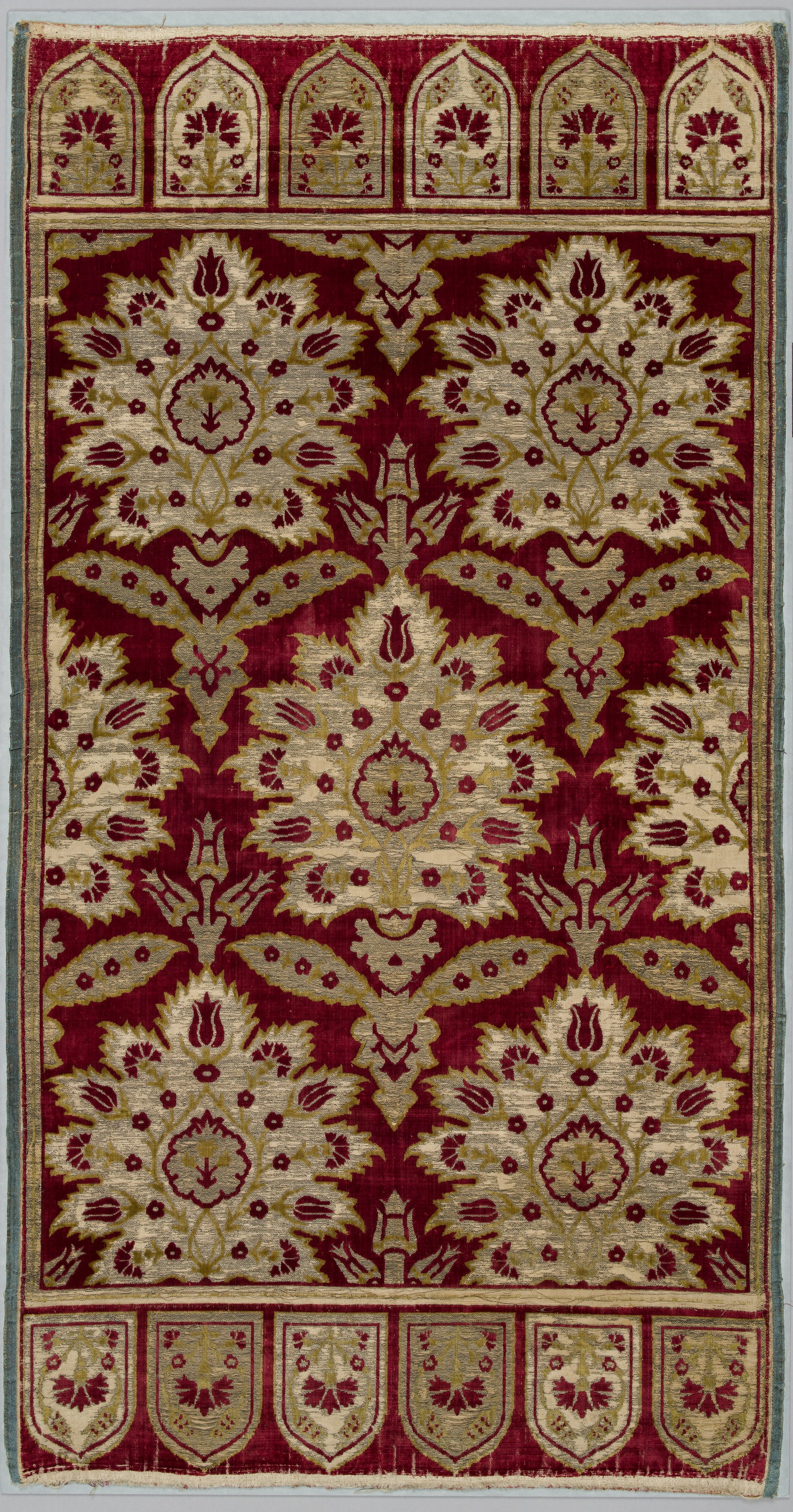
The Yastik Cushion Cover: A Study in Textural Sovereignty
Introduction: The Object as Archive
In the lexicon of couture, the garment is often celebrated as the ultimate expression of artistry. Yet, at Katherine Fashion Lab, we recognize that the most profound narratives of heritage and technical mastery are frequently woven into the domestic object. The Yastik Cushion Cover—a seemingly modest piece of home textile—emerges as a standalone study in global heritage, transcending its functional role to become a portable archive of dynastic craftsmanship. This analysis dissects the Yastik not as a mere accessory, but as a microcosm of textile diplomacy, where the threads of silk, cotton, and metal converge to narrate a story of cultural sovereignty and technical audacity.
Material Alchemy: The Triad of Silk, Cotton, and Metal
The Yastik’s material composition is a deliberate dialogue between luxury and resilience. Silk, the perennial protagonist of couture, provides a luminous ground that captures light with a fluid, almost liquid quality. Its natural protein fibers allow for an unprecedented depth of dye absorption, resulting in hues that shift from indigo to pomegranate under varying luminosity. This is not the silk of mass production; it is the long-filament, reeled silk of the Mulberry Bombyx, harvested with a precision that echoes the sericulture traditions of the Ottoman and Safavid empires.
In deliberate counterpoint, cotton serves as the structural backbone. Unlike the supple drape of silk, cotton lends a crisp, matte stability to the foundation weave. This is not mere practicality; it is a philosophical choice. Cotton grounds the piece in the tactile reality of daily life, preventing the Yastik from becoming an untouchable museum relic. The interplay between silk’s ephemeral glow and cotton’s grounded solidity creates a tension that is both visual and haptic—a reminder that couture must serve both the eye and the hand.
The most arresting element, however, is the metal wrapped thread. Composed of a fine core of silk or cotton, meticulously wound with strips of silver or gold leaf, this thread is not merely decorative; it is a statement of power. The metal reflects light not as a uniform sheen, but as a constellation of micro-reflections, each twist of the wrapping catching the eye from a different angle. This technique, known as tel kırma in Anatolian traditions, requires a patience that borders on the monastic. The thread is so delicate that a single misstep in the weaving process can snap it, rendering hours of work useless. In the Yastik, this metal thread is not an accent; it is a narrative device, scripting tales of caravansary trade routes and the glittering courts of Topkapi.
Technique as Heritage: Cut and Voided Velvet (Çatma)
The Yastik’s surface is defined by the ancient technique of cut and voided velvet, known in Turkish as çatma. This is not the plush, uniform velvet of modern manufacturing. Çatma is a subtractive art: the weaver creates a dense pile of silk loops, which are then selectively cut to varying heights, leaving some areas voided—bare of pile—to reveal the underlying ground weave. The result is a topographical map of texture, where raised motifs of floral medallions or geometric stars emerge from a recessed, satin-like background.
The voided areas are not empty; they are intentional negative spaces that frame the cut pile with precision. This technique demands an extraordinary understanding of tension and density. The weaver must calibrate the number of warp threads per centimeter to ensure that the cut pile stands erect without collapsing, while the voided sections maintain a smooth, uninterrupted sheen. In the Yastik, this mastery is evident in the crisp borders between pile and void—a distinction that feels almost architectural, like the carved stone reliefs of a Seljuk portal. The çatma technique is a testament to the fact that couture is as much about the removal of material as it is about its accumulation.
Brocaded Complexity: The Interlacing of Narratives
Superimposed upon the velvet is the brocaded element—a supplementary weft technique that introduces the metal-wrapped thread. Unlike embroidery, which is applied after weaving, brocading integrates the metal thread directly into the fabric’s structure during the loom process. This is a high-risk endeavor: the metal thread cannot be woven at the same tension as the silk or cotton, requiring the weaver to manually insert it in specific areas, often using a small shuttle or a needle-like tool.
The brocaded motifs in the Yastik are not random; they follow a rhythmic logic of repetition and variation. A central medallion, likely a çintemani motif—a triad of circles representing leopard spots or celestial bodies—is flanked by stylized hatayi blossoms, a Persianate floral language that traveled the Silk Road. The metal thread in these motifs does not merely outline; it fills the forms with a dense, mirror-like surface that creates a stark contrast against the velvet’s absorbent pile. This interplay between the matte velvet and the reflective metal produces a visual oscillation—the eye moves between absorption and reflection, between depth and surface.
Global Heritage: A Tapestry of Convergences
The Yastik Cushion Cover is not the product of a single culture; it is a synthesis of global heritage. The çatma technique has roots in the Byzantine and Sasanian empires, refined in the Ottoman workshops of Bursa and Istanbul. The hatayi floral motifs emerged from the Ming Dynasty’s influence on Persian textile design, carried westward by the very silk that composes the fabric. The metal-wrapped thread technology was perfected in the Venetian and Florentine silk mills, where gold and silver were beaten into leaf and meticulously wound onto silk cores for export to the East.
This cushion cover, therefore, is a silent diplomat. It speaks of the Silk Road not as a nostalgic myth, but as a living network of technical exchange. The weaver who created this piece may have drawn from a repertoire that included Chinese cloud bands, Indian palmettes, and Caucasian geometric borders—all filtered through an Anatolian sensibility that prized symmetry and radial composition. In this sense, the Yastik is a global heritage object not because it is a pastiche, but because it is a coherent synthesis of disparate traditions into a singular, unified aesthetic.
Contextualizing the Standalone Study
As a standalone study, the Yastik demands that we reconsider the hierarchy of textile objects. It is neither a garment nor a ceremonial hanging; it is a cushion cover, an object of intimate daily use. Yet, its technical complexity rivals that of a royal kaftan or a mosque hanging. The decision to analyze it in isolation—divorced from a suite of matching textiles—allows for a forensic examination of its construction. Without the distraction of a broader set, we can focus on the tension between function and ornament that defines couture at its highest level.
This object also challenges the contemporary obsession with novelty. The Yastik’s techniques—çatma, brocading, metal-thread wrapping—are centuries old, yet they remain technically demanding and aesthetically potent. In an era of digital printing and synthetic fibers, the Yastik stands as a manifesto for slow, hand-driven production. It reminds us that true luxury is not about speed or volume, but about the accumulation of skill over generations. Each thread, each cut of the velvet pile, each insertion of the metal weft is a gesture of respect for the hands that came before.
Conclusion: The Sovereignty of the Hand
The Yastik Cushion Cover, in its silent, static form, is a radical object. It refuses to be passive. Its textures demand touch; its motifs invite interpretation; its materials assert a global lineage. For Katherine Fashion Lab, this object is not a relic but a curriculum. It teaches us that couture is not confined to the runway but lives in the warp and weft of every meticulously crafted textile. The Yastik is a sovereign artifact—one that rules through the quiet authority of its craftsmanship, reminding us that in the world of true heritage, the hand is the ultimate signature.