Silk: The Global Thread of Couture Consciousness
In the rarefied ateliers of haute couture, material is not merely substance; it is the foundational language of narrative, technique, and identity. For Katherine Fashion Lab, a standalone study of silk transcends a simple examination of fiber. It is an excavation of a global heritage so profound that it forms the very bedrock of sartorial civilization. Silk is the original piece de résistance, a material whose journey from ancient cocoon to contemporary catwalk encapsulates millennia of cultural exchange, technological innovation, and artistic obsession. This analysis positions silk not as a passive textile, but as an active, agential Piece within the global heritage continuum—a singular element that carries within its luminous filaments the weight of history and the spark of perpetual reinvention.
Origin as a Palimpsest: The Woven Map of Civilization
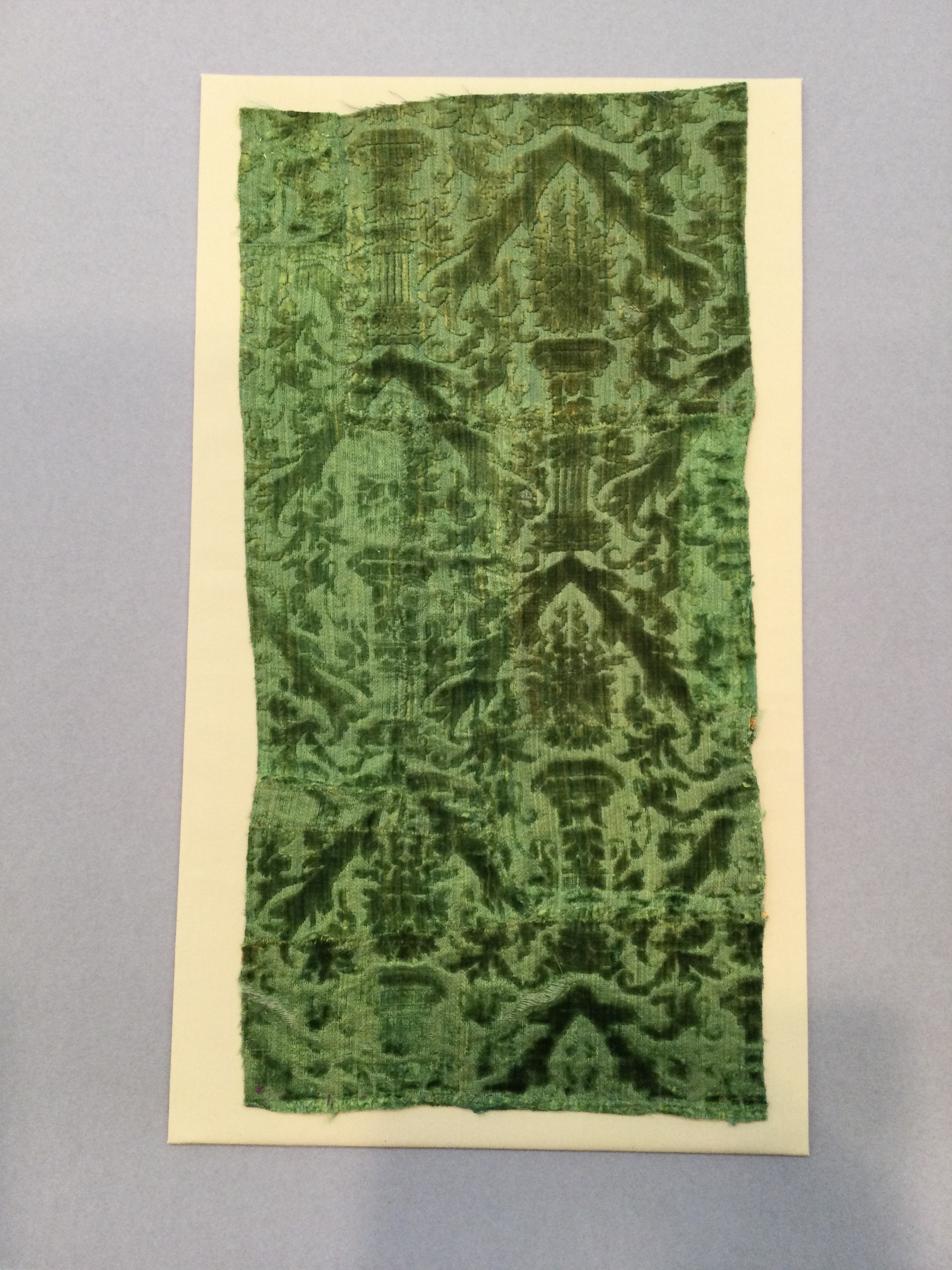
The heritage of silk is a narrative written across continents, a palimpsest where each culture has inscribed its own chapter. Its known origin in Neolithic China circa 2700 BCE is not an end point, but a genesis for a sprawling epic. The Silk Road was not merely a trade route; it was the first global network for the exchange of luxury, ideology, and craft. This journey transformed silk from a Chinese state secret to a currency of empires, coveted from Rome to Byzantium. However, to label silk solely as "Chinese" is to misunderstand its global heritage. Persian weavers incorporated it into intricate taqueté and lampas designs. Italian cities like Lucca and Venice became powerhouses of silk weaving in the Middle Ages, developing complex brocades and velvets that fueled the Renaissance appetite for opulence. Later, the Lyon silk industry in France would become the direct progenitor of modern haute couture, providing the exquisite grounds for the maisons of Worth and Poiret.
Thus, every length of silk considered at Katherine Fashion Lab is inherently a composite Piece. It is a geographic and temporal hybrid. The cultivation of the mulberry silkworm, Bombyx mori, represents one strand of knowledge. The complex dye techniques using cochineal from the Americas or indigo from India represent another. The drawloom technology that traveled westward completes the triad. This layered origin story makes silk the ultimate cosmopolitan material, its value amplified by every culture it touched and transformed.
Material Intelligence: The Structural Poetry of the Filament
The supremacy of silk in couture is not accidental but engineered by its unparalleled material intelligence. Its triangular prism-like structure refracts light, creating that signature luminosity and depth of color that flat, synthetic fibers cannot replicate. This innate optical property dictates a core couture principle: the fabric must be celebrated, not subdued. When a couturier like Yves Saint Laurent draped a Fortuny-pleated silk gown or Cristóbal Balenciaga sculpted a silk gazar evening coat, they were engaging in a dialogue with the fiber's inherent behavior—its tensile strength, its fluid drape, its capacity to hold shape or cascade into liquid folds.
As a standalone Piece for study, silk demands an analysis of its structural poetry. The journey from raw filament to finished textile is a ballet of precision. Throwing, degumming, dyeing, and weaving are each critical stages that alter the hand and performance of the final cloth. A silk organza, stiffened by its tightly twisted threads, becomes an architectural element, capable of creating volume that defies gravity. A silk charmeuse, with its satin weave and weighty drape, becomes a second skin, expressing sensuality and line. A silk crêpe, with its finely twisted wefts, offers a matte, textured surface that absorbs light and clings to the form with elegant resilience. At Katherine Fashion Lab, understanding this taxonomy is paramount. The selection of a specific silk substrate is the first and most critical creative decision, directing the trajectory of cut, construction, and final silhouette.
Context: The Standalone Piece in Contemporary Consciousness
In today's fashion landscape, defined by sustainability concerns and cultural re-evaluation, a standalone study of silk acquires urgent new dimensions. Its global heritage now confronts questions of ethics and origin. The couture industry's reliance on peace silk (ahimsa), organic cultivation, and traceable supply chains recontextualizes this ancient material for a conscious clientele. The narrative is no longer just one of beauty, but of responsibility—acknowledging the labor, both human and insect, embedded within each meter.
Furthermore, contemporary designers engage with silk as a conceptual Piece, deconstructing its heritage to build new meanings. Rei Kawakubo of Comme des Garçons might distress or over-dye silk, challenging its associations with pristine luxury. Designers like Guo Pei monumentalize silk, using it in unprecedented volumes to create garments that are less about dress and more about cultural monument, directly referencing its Chinese patrimony while projecting it onto a world stage. Others, like the artisans working with sari silks or Japanese shibori techniques, position silk as a vessel of intangible cultural heritage, where the technique applied to the material is as precious as the fiber itself.
For Katherine Fashion Lab, this contemporary context is where analysis turns to action. The standalone study of silk concludes not with a closed history, but with an open set of protocols. How does one honor the material's vast heritage while pushing its technical and expressive boundaries? How is value constructed—through historical provenance, artisanal technique, or innovative application? Silk, in its glorious complexity, forces these questions. It is a Piece that is never complete, continuously being rewoven by the hands of time, technology, and transcendent creativity. To master silk is to master the very essence of couture: a deep, respectful dialogue between the past's richest legacy and the future's most daring vision.