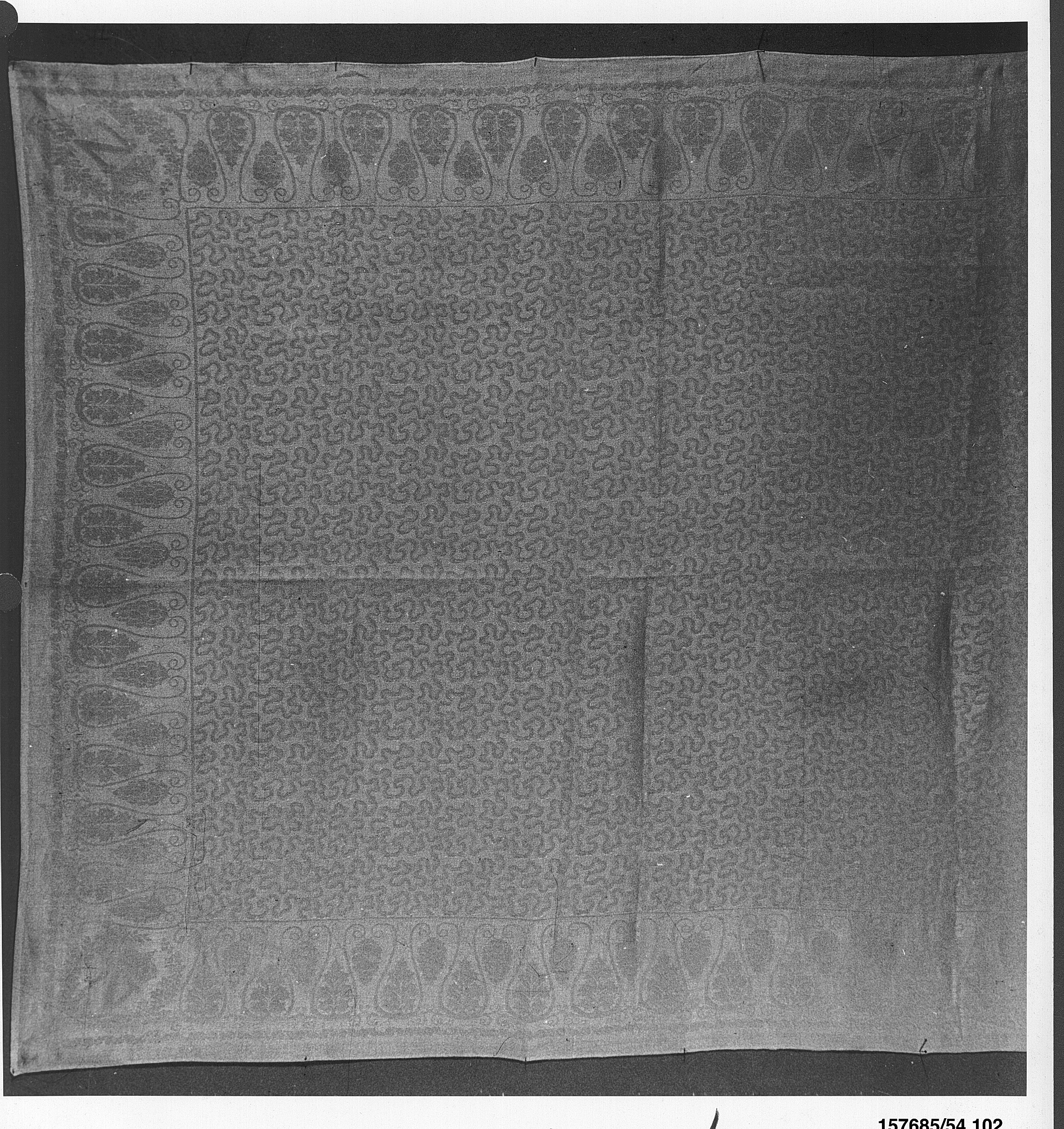
Heritage Analysis: The Napkin as a Symbol of Power and Adornment in Ancient Civilization
In the lexicon of luxury, few objects possess the paradoxical duality of the napkin—simultaneously a tool of mundane utility and a vessel of profound symbolic power. For Katherine Fashion Lab, the napkin, as rendered in ancient linen, offers a strategic heritage pillar that transcends its functional origins. This analysis examines the napkin’s role as a historical adornment, its spiritual significance in ancient civilizations, and its potential for high-end luxury brand integration in 2026.
Symbolic Power: The Napkin as a Marker of Status and Authority
In ancient civilizations, particularly in Mesopotamia, Egypt, and Rome, the napkin was far more than a cloth for wiping hands. It was an emblem of hierarchical distinction and ritualized power. Among the elite, linen napkins were often embroidered with dynastic insignia or sacred motifs, signaling the owner’s proximity to divine or imperial authority. For instance, in Roman banquets, the mappa—a large linen napkin—was used by the host to signal the start of the feast, a gesture that reinforced control over time and social order. This act of unveiling or displaying the napkin became a performative assertion of dominance, akin to a scepter in a courtly setting.
The symbolic power of the napkin also extended to hospitality as a form of political leverage. In ancient Near Eastern cultures, offering a guest a fine linen napkin was a gesture of alliance and trust. The quality of the linen—its weave, whiteness, and softness—directly correlated with the host’s wealth and geopolitical influence. For Katherine Fashion Lab, this historical precedent underscores the napkin as a silent communicator of status, a textile that can be leveraged in luxury branding to evoke exclusivity and heritage.
Historical Adornment: Linen as a Medium of Craft and Identity
Linen, derived from the flax plant, was the medium of choice for napkins in ancient civilizations due to its durability, breathability, and ability to hold intricate dyes and embroideries. In Egypt, linen was considered a sacred material, often used in funerary rites and temple offerings. The napkin, as an adornment, was not merely functional but a canvas for artistic expression. Archaeological evidence from the Ptolemaic period reveals napkins with fringed edges and woven geometric patterns, reflecting the aesthetic sensibilities of the time.
Moreover, the act of folding and presenting a napkin was itself a form of adornment. In ancient Greece, the mappa was often draped over the left arm during symposia, creating a visual rhythm that complemented the wearer’s chiton. This practice elevated the napkin from a utilitarian object to a mobile accessory, akin to a scarf or a brooch. For Katherine Fashion Lab, this historical adornment logic can be reinterpreted in 2026 as a limited-edition linen accessory—a napkin that doubles as a wearable art piece, perhaps with detachable clasps or hand-painted motifs inspired by ancient motifs.
Spiritual Meaning: The Napkin as a Vessel of Purity and Ritual
In many ancient civilizations, linen napkins carried deep spiritual connotations. Linen itself was associated with purity, light, and truth—qualities that made it indispensable in religious ceremonies. In Judaic tradition, the tallit (prayer shawl) shares a textile lineage with the napkin, both being linen and used in rituals of cleansing and blessing. Similarly, in ancient Zoroastrian practices, napkins were used to cover sacred bread offerings, symbolizing the protection of divine sustenance.
The spiritual meaning of the napkin also manifested in rites of passage. In Roman funerary customs, a linen napkin was placed over the face of the deceased, signifying a transition to the afterlife. This act imbued the napkin with a liminal power—a bridge between the material and the transcendental. For a luxury brand like Katherine Fashion Lab, this spiritual dimension offers a narrative of transformation and renewal. A 2026 collection could feature napkins with hand-embroidered protective symbols—such as the Eye of Horus or the Tree of Life—positioning the object as a talisman for modern consumers seeking meaning in everyday rituals.
2026 High-End Luxury Strategy: Recontextualizing the Napkin for the Modern Elite
To integrate the ancient napkin into a 2026 high-end luxury strategy, Katherine Fashion Lab must approach it as a strategic standalone object—not merely a table accessory, but a heritage artifact that confers distinction. The following strategic pillars are recommended:
1. Heritage Storytelling and Limited Editions
Leverage the ancient linen napkin’s symbolism by producing numbered, handcrafted editions that reference specific civilizations—for example, a “Roman Mappa” series with gold-thread embroidery or an “Egyptian Linen” series with indigo-dyed hieroglyphic patterns. Each piece should come with a certificate of authenticity detailing its historical inspiration, thereby transforming the napkin into a collectible investment.
2. Ritualized Experiences
Position the napkin as a tool for mindful luxury. In 2026, high-net-worth consumers increasingly seek products that enhance daily rituals. Collaborate with sommeliers or tea masters to create a “Napkin Unfolding Ceremony,” where the act of placing the napkin becomes a meditative gesture. This aligns with the ancient spiritual meaning of the napkin as a purifier, while appealing to modern wellness trends.
3. Cross-Category Adornment
Expand the napkin’s use beyond dining. Design a convertible linen piece that can be worn as a shawl, headwrap, or wall hanging. This echoes the historical adornment function while addressing the 2026 demand for versatile, investment-worthy textiles. The napkin’s inherent portability makes it ideal for the “slow luxury” movement, where objects are treasured across contexts.
4. Collaborations with Cultural Institutions
Partner with museums or archaeological foundations to authenticate designs and access archival patterns. A capsule collection co-created with the British Museum or the Louvre would imbue the napkin with institutional gravitas, appealing to collectors who value provenance as much as aesthetics.
5. Sustainability as Spiritual Continuity
Linen is a biodegradable, low-impact fiber. In 2026, luxury consumers prioritize ethical provenance. Market the napkin as a “sacred textile” that honors ancient craftsmanship and environmental stewardship. Highlight the flax-growing regions (e.g., Belgium or Egypt) and the artisanal weaving techniques used, thereby connecting the product to a lineage of sustainable luxury.
Conclusion
The napkin, as an artifact of ancient civilization, is a microcosm of power, adornment, and spirituality. Its linen form carries a legacy of status signaling, ritualistic purity, and artistic expression that remains potent in the 2026 luxury landscape. For Katherine Fashion Lab, the strategic standalone research presented here reveals that the napkin is not a peripheral object but a core heritage asset—one that can be reimagined as a talisman of modern luxury, bridging the ancient and the contemporary through craft, narrative, and symbolic resonance.