Heritage Analysis: The Assyrian Relief Panel
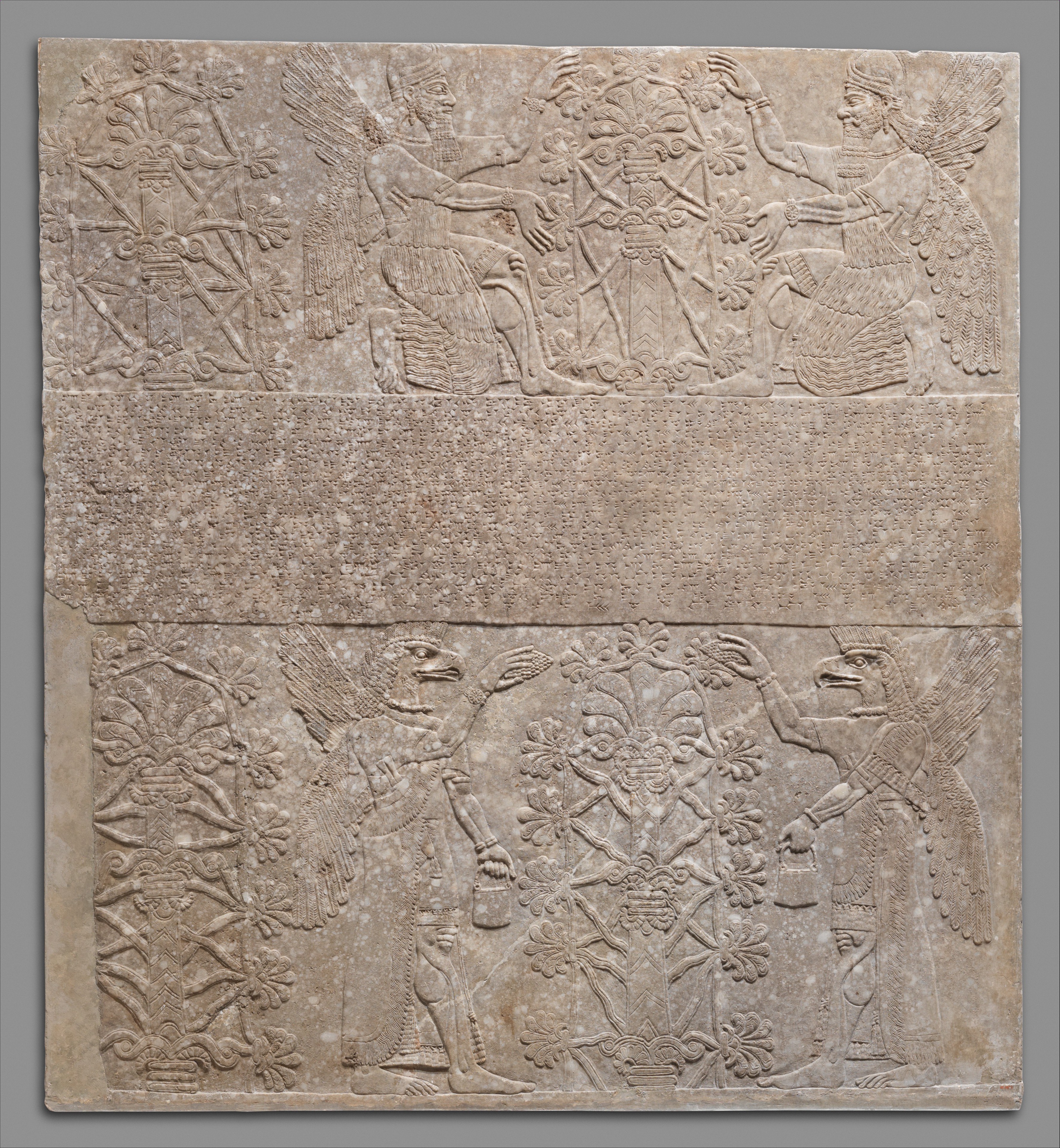
Katherine Fashion Lab presents a rigorous heritage analysis of the Assyrian relief panel, a gypsum alabaster artifact from the Neo-Assyrian period (c. 883–859 BCE). This strategic standalone research examines the panel’s symbolic power, historical adornment, and spiritual meaning, culminating in actionable insights for a 2026 high-end luxury strategy. The Assyrian empire, centered in present-day northern Iraq, was a civilization of unparalleled military might, administrative sophistication, and artistic mastery. Its relief panels, carved into palace walls, were not mere decoration but instruments of ideological control. For a luxury brand, these artifacts offer a lexicon of authority, precision, and transcendence—qualities that resonate deeply with today’s discerning clientele seeking meaning beyond material wealth.
Symbolic Power: The Iconography of Imperial Authority
The Assyrian relief panel is a visual manifesto of imperial dominance. Depicting scenes of royal hunts, military campaigns, or divine ceremonies, each element is laden with deliberate symbolism. The central figure—often the king, such as Ashurnasirpal II—is portrayed with exaggerated musculature, a full beard, and a conical crown, signifying physical strength, wisdom, and divine election. The king’s posture is rigid, frontal, and commanding, directly engaging the viewer to assert his unassailable authority. Surrounding him are winged protective deities, known as apkallu, or stylized sacred trees, which represent fertility and cosmic order. The lion hunt, a recurring motif, is particularly potent: the king’s slaying of a lion symbolizes the triumph of civilization over chaos, order over anarchy. This narrative of controlled power is a cornerstone of luxury branding, where exclusivity and mastery are paramount.
For Katherine Fashion Lab, the symbolic power of this panel translates into a branding strategy of curated dominance. In 2026, high-end luxury consumers will seek brands that project authority without aggression—a quiet confidence derived from heritage and craftsmanship. The panel’s iconography can inspire a collection that uses heraldic motifs, such as stylized wings or geometric tree-of-life patterns, in embroidery or hardware. These elements should not be overtly aggressive but refined, signaling power through precision rather than volume. The color palette, drawn from the panel’s original pigments—lapis lazuli blue, carnelian red, and gypsum white—can anchor a visual identity that is both ancient and futuristic. The key is to evoke the aura of empire without replicating its militarism, appealing to clients who value legacy and stability in an uncertain world.
Historical Adornment: The Language of Status and Identity
Adornment in the Assyrian reliefs is a sophisticated language of social rank and identity. The king’s attire—a fringed robe, embroidered with rosettes and tassels—denotes his supreme status. His jewelry includes layered necklaces of gold and carnelian, earrings, and armlets, often featuring lion-headed or pomegranate finials. The winged deities wear horned crowns, a symbol of divinity, while courtiers and soldiers display simpler versions of these adornments, indicating their proximity to the throne. The materials themselves—gold, lapis lazuli, and carnelian—were imported from far-flung regions, underscoring the empire’s reach and trade networks. This hierarchy of adornment was not decorative but functional: it communicated allegiance, power, and cosmic favor at a glance. In a society where literacy was limited, visual adornment was the primary medium of political and spiritual messaging.
For a 2026 luxury strategy, historical adornment offers a blueprint for stratified exclusivity. Katherine Fashion Lab can develop a tiered product line based on the panel’s hierarchy. An entry-level “Courtier” collection might feature subtle references—fringed details, geometric embroidery—while a “Royal” collection incorporates precious stones and hand-embroidered motifs directly inspired by the king’s regalia. The “Divine” collection, limited to bespoke commissions, could use actual lapis lazuli or gold leaf, mirroring the sacred status of the winged deities. This stratification creates a sense of progression and aspiration, encouraging clients to ascend the brand’s hierarchy. The materials themselves must be sourced with provenance narratives: for example, carnelian from the same regions as ancient Assyria (modern-day Iran or India), enhancing authenticity. Adornment becomes a visual passport to a world of history and power, justifying premium pricing through storytelling and material rarity.
Spiritual Meaning: The Cosmic Order and Transcendence
The spiritual dimension of the Assyrian relief panel is deeply rooted in Mesopotamian cosmology. The panel was not a secular artwork but a sacred object that mediated between the earthly and divine realms. The king, as the representative of the god Ashur, was responsible for maintaining me—the cosmic order of civilization, justice, and fertility. The sacred tree, often flanked by winged genies, symbolizes this order, representing the cyclical renewal of life and the king’s role as its guardian. The act of carving the panel itself was a ritual, with prayers and offerings made to ensure the stone’s spiritual potency. For the Assyrians, the panel was a threshold between worlds, protecting the palace from malevolent forces and ensuring the king’s eternal legacy. This spiritual function elevates the panel from mere decoration to a talismanic object of profound meaning.
In a 2026 luxury context, spiritual meaning translates into a brand ethos of protection and purpose. Modern luxury consumers increasingly seek products that offer not just status but a sense of grounding and transcendence. Katherine Fashion Lab can position its collections as “modern talismans,” drawing on the panel’s protective symbolism. For example, a scarf or shawl could feature the sacred tree motif, marketed as a symbol of personal growth and resilience. A jewelry line incorporating the winged genie’s horned crown could be framed as a totem of inner strength. The brand’s narrative should emphasize craftsmanship as ritual: each piece is hand-finished by artisans who imbue it with intention, much like the Assyrian stone carvers. Collaborations with contemporary spiritual leaders or historians could deepen this narrative, offering clients a sense of connection to ancient wisdom. The goal is to create objects that are not only beautiful but also meaningful anchors in a fragmented world, aligning with the luxury consumer’s search for authenticity and personal transcendence.
2026 High-End Luxury Strategy: From Artifact to Asset
Translating the Assyrian relief panel into a 2026 luxury strategy requires a synthesis of symbolic power, historical adornment, and spiritual meaning into a cohesive brand architecture. The panel is not a trend to be copied but a template for timeless authority. Katherine Fashion Lab should adopt a three-pronged approach: heritage storytelling, material mastery, and experiential engagement.
Heritage Storytelling: The brand must curate a narrative that connects the panel’s origins to contemporary luxury. This involves partnering with museums, such as the British Museum or the Louvre, which house similar panels, to create exclusive capsule collections. Each piece should come with a digital “provenance card” detailing its design inspiration, material origins, and the historical context of the motif. For example, a handbag featuring the lion hunt motif could include a QR code linking to a video of the original panel and an explanation of its symbolism. This transforms the product into a collectible artifact, appealing to the growing market of “cultural luxury” consumers who value education and exclusivity.
Material Mastery: The gypsum alabaster itself offers a tactile and visual reference. While direct use of stone in apparel is impractical, the brand can evoke its qualities through texture and finish. For accessories, use matte, white-gold finishes that mimic alabaster’s luminosity. For ready-to-wear, incorporate heavy, structured fabrics like wool crepe or sculpted leather that recall the panel’s solidity. The color palette should be restrained—ivory, deep blue, and terracotta—echoing the panel’s original pigments. Limited-edition pieces could incorporate actual semi-precious stones (lapis lazuli, carnelian) set in 18-karat gold, directly referencing the king’s adornment. This material strategy positions the brand at the intersection of archaeology and artistry, justifying price points that reflect both historical value and modern craftsmanship.
Experiential Engagement: In 2026, luxury is as much about experience as product. Katherine Fashion Lab should host immersive “Assyrian Atelier” events, where clients can view 3D-printed replicas of the panel, learn about cuneiform inscriptions, and commission personalized motifs. A flagship store could feature a digital wall that projects the panel in its original palace setting, using augmented reality to overlay the king’s adornments onto the client’s reflection. Private viewings at partner museums, with curators explaining the panel’s symbolism, would create an elite, educational experience. This approach builds a community of connoisseurs, not just customers, fostering brand loyalty through shared cultural capital. The ultimate goal is to position the panel not as a historical relic but as a living asset that informs every touchpoint of the brand, from product design to marketing to retail.
Conclusion: The Enduring Code of Power and Adornment
The Assyrian relief panel, carved from gypsum alabaster over 2,800 years ago, remains a masterclass in the use of art to convey authority, identity, and spirituality. For Katherine Fashion Lab, it offers a rich, untapped vocabulary for a 2026 luxury strategy that transcends fashion. By decoding its symbolic power, historical adornment, and spiritual meaning, the brand can create products that are not merely luxurious but meaningful, authoritative, and transcendent. In an era where luxury is increasingly defined by authenticity and heritage, the Assyrian panel provides a timeless template—a code of power that, when translated with rigor and creativity, will resonate with the most discerning clientele. The panel is not a historical artifact to be admired from a distance; it is a strategic asset to be activated, ensuring that Katherine Fashion Lab stands at the vanguard of cultural luxury.