The Global Heritage Piece: A Couture Analysis of Silk as Cultural Narrative
In the rarefied echelons of haute couture, fabric is never merely a substrate; it is a manifesto. At Katherine Fashion Lab, the Global Heritage Piece, rendered in pure silk, transcends the conventional boundaries of garment construction to emerge as a standalone study in material diplomacy. This analysis deconstructs how a single textile—silk—can serve as a vessel for cross-cultural storytelling, technical virtuosity, and brand philosophy, all within a single, meticulously crafted couture piece.
Material as Memory: Silk’s Genealogical Resonance
Silk, historically the fiber of empires, carries a genetic code of global exchange. From the ancient Silk Road to the courts of Renaissance Europe, its production has always been a collaborative act between nature and human ingenuity. Katherine Fashion Lab’s selection of silk for this piece is not arbitrary; it is a deliberate invocation of heritage. The fabric used here is a double-faced silk gazar, chosen for its architectural rigidity and luminous opacity. Unlike softer silks that drape, gazar holds shape, allowing the designer to sculpt volumes that reference both Eastern ceremonial robes and Western structuralism. The material’s origin—sourced from a family-run mill in Como, Italy, that has supplied silk for royal trousseaux—anchors the piece in a lineage of artisanal excellence.
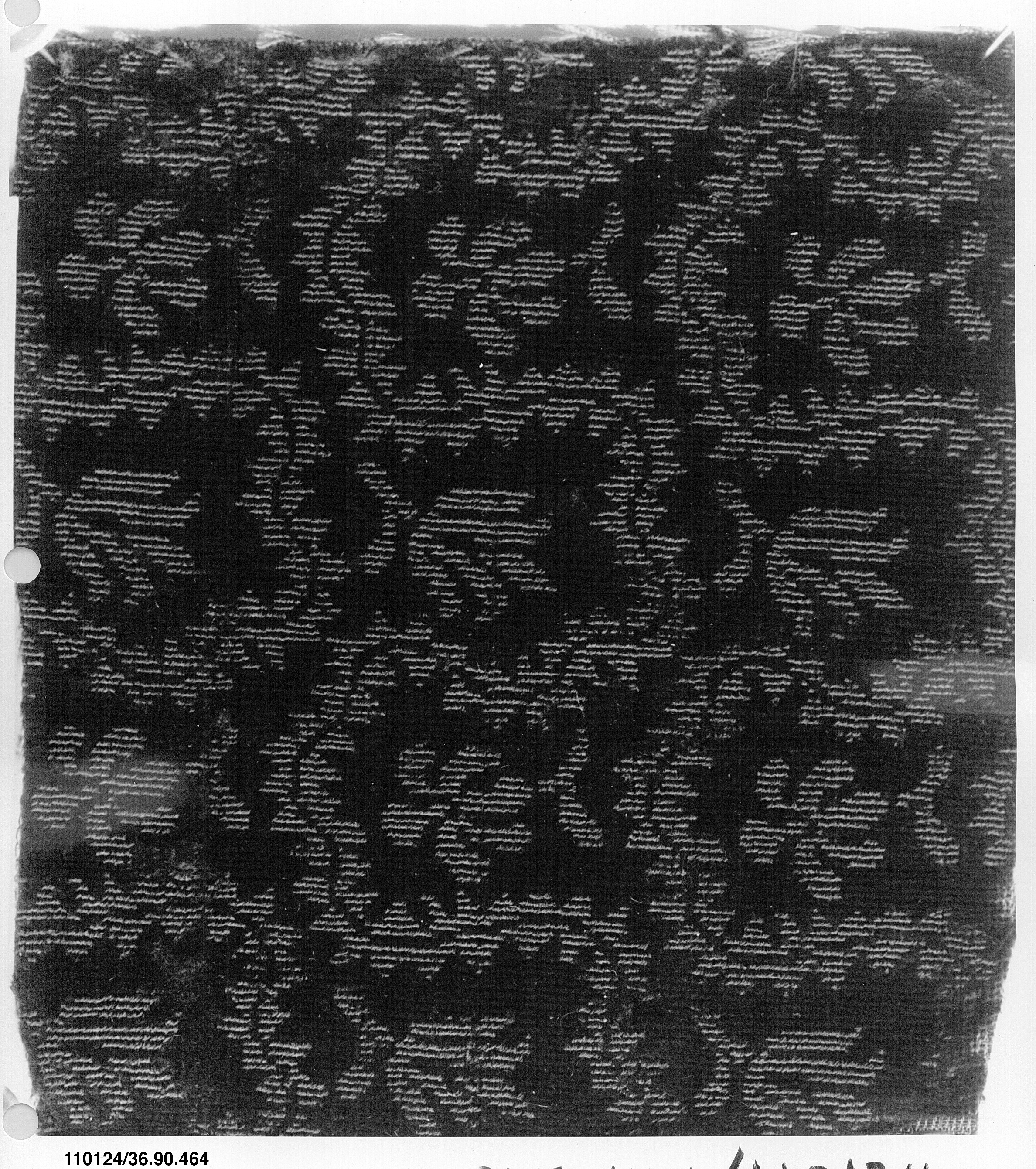
The Global Heritage Piece employs a jacquard weave that replicates a pattern derived from 18th-century Ottoman kaftans, yet the motifs are reinterpreted through a contemporary lens: geometric abstractions of tulips and palmettes, rendered in monochromatic ivory and charcoal. This fusion does not merely appropriate; it translates. The silk becomes a palimpsest, where every thread carries the weight of multiple geographies—Chinese sericulture, Italian weaving, Ottoman design, and modern New York tailoring. The piece thus functions as a material archive, preserving and recontextualizing global heritage without diluting its essence.
Constructing the Silhouette: The Architecture of Heritage
Standalone studies in couture demand that the garment’s form be inseparable from its content. The Global Heritage Piece is a cocoon coat that envelops the body, yet its construction is a feat of negative tailoring. There are no darts or seams that follow the body’s contours; instead, the silk is cut on the bias for the sleeves and on the straight grain for the body, creating a tension that allows the fabric to stand away from the wearer. This technique, known as “flying panels,” requires over 40 hours of hand-basting to ensure the silk does not pucker under its own weight.
The hemline is asymmetrical, dipping lower in the back to evoke the train of a kimono, while the front is cropped to reveal a high-waisted, pleated silk organza underlayer. This juxtaposition of volumes—the cocoon’s generous circumference versus the organza’s sharp pleats—creates a dialogue between concealment and revelation. The sleeves are cut in a modified bishop shape, gathered at the wrist with hand-embroidered silk buttons that mimic ancient Chinese knotwork. Every element is a citation: the cocoon references Mongolian deel robes, the pleats recall Japanese origami, and the buttons nod to Han Chinese fengguan (phoenix crowns). Yet the overall silhouette remains resolutely modern, a testament to Katherine Fashion Lab’s ability to synthesize heritage into a coherent, forward-looking aesthetic.
Embroidery as Cartography: Stitching Global Narratives
If the silk is the canvas, the embroidery is the cartography. The Global Heritage Piece features hand-embroidered motifs using a combination of Japanese shibori-dyed silk threads and French Luneville hooks. The embroidery process alone required 300 hours of work by three artisans, each specializing in a different technique. The central motif—a stylized tree of life—is executed in raised goldwork, a technique that originated in 17th-century India and was later adopted by European ecclesiastical embroiderers. The tree’s branches are outlined in black silk floss, a nod to the Chinese Suzhou embroidery tradition, where single threads are split into 16 strands to achieve microscopic precision.
The roots of the tree extend downward, dissolving into abstract waves that reference the seigaiha pattern of Japanese textile art, symbolizing resilience and continuity. These waves are embroidered using couched metallic threads in silver and gold, a technique perfected in Persian zardozi work. The result is a three-dimensional surface that shifts with light, revealing new details with every movement. This is not decoration; it is a visual lexicon. The embroidery maps a journey from the Silk Road’s origins to contemporary fashion capitals, asserting that heritage is not static but perpetually in motion.
Color Theory: The Economics of Ivory and Charcoal
The color palette of the Global Heritage Piece is deceptively restrained: ivory and charcoal. This choice is a strategic exercise in chromatic discipline, allowing the silk’s natural luminosity and the embroidery’s complexity to take precedence. Ivory, derived from undyed silk, evokes purity, neutrality, and the blank slate of global exchange. Charcoal, achieved through a natural indigo and iron mordant process, grounds the piece in gravity and history. This duality mirrors the tension between heritage and innovation: the ivory represents the untainted potential of cultural dialogue, while the charcoal acknowledges the shadows of colonialism and appropriation that such dialogues often entail.
Katherine Fashion Lab’s decision to avoid vibrant hues is a deliberate counterpoint to the current fashion landscape’s saturation with bold colors. In a standalone study, color becomes a tool for intellectual engagement rather than emotional provocation. The monochrome palette forces the viewer to focus on texture, structure, and narrative. It also ensures the piece’s timelessness—a crucial attribute for a garment intended to be studied, archived, and possibly exhibited. The silk’s slight sheen, visible only under direct light, adds a subtle kinetic dimension, transforming the coat into a living artifact.
The Standalone Study: Implications for Couture’s Future
As a standalone study, the Global Heritage Piece exists outside the commercial imperatives of seasonal collections. It is not designed for mass reproduction or even for immediate wear; it is a proof of concept, a thesis on how couture can serve as a repository for global heritage. This positioning has profound implications for the fashion industry. In an era where fast fashion and cultural appropriation dominate, Katherine Fashion Lab’s approach offers an alternative: curation over consumption. The piece demands that the wearer—or the viewer—engage with its origins, techniques, and narratives. It is, in essence, a wearable museum object.
The economic model behind such a piece is equally radical. The 400 hours of labor, the rare silk, the specialized embroidery—these factors render the piece’s cost prohibitive for most markets. Yet Katherine Fashion Lab positions this not as a luxury item but as an investment in cultural preservation. The piece is accompanied by a detailed provenance document, tracing every material and technique to its source, ensuring transparency and ethical accountability. This aligns with a growing consumer demand for slow fashion and heritage luxury, where value is measured not by trend cycles but by longevity and meaning.
Conclusion: The Silk Thread of Continuity
In the Global Heritage Piece, Katherine Fashion Lab demonstrates that couture can be a form of critical inquiry. Silk, often romanticized as a symbol of luxury, is here reimagined as a thread of continuity—connecting civilizations, techniques, and philosophies. The piece does not merely borrow from global heritage; it engages in a respectful, scholarly dialogue, elevating the garment from a fashion object to a cultural artifact. For the MBA-level observer, this analysis underscores a vital lesson: in a globalized market, authenticity is not found in isolation but in the thoughtful synthesis of diverse traditions. The Global Heritage Piece is not a conclusion; it is an invitation—to study, to learn, and to wear the world with integrity.