Heritage Analysis: The Cup-Hilted Rapier as a Strategic Archetype for Katherine Fashion Lab
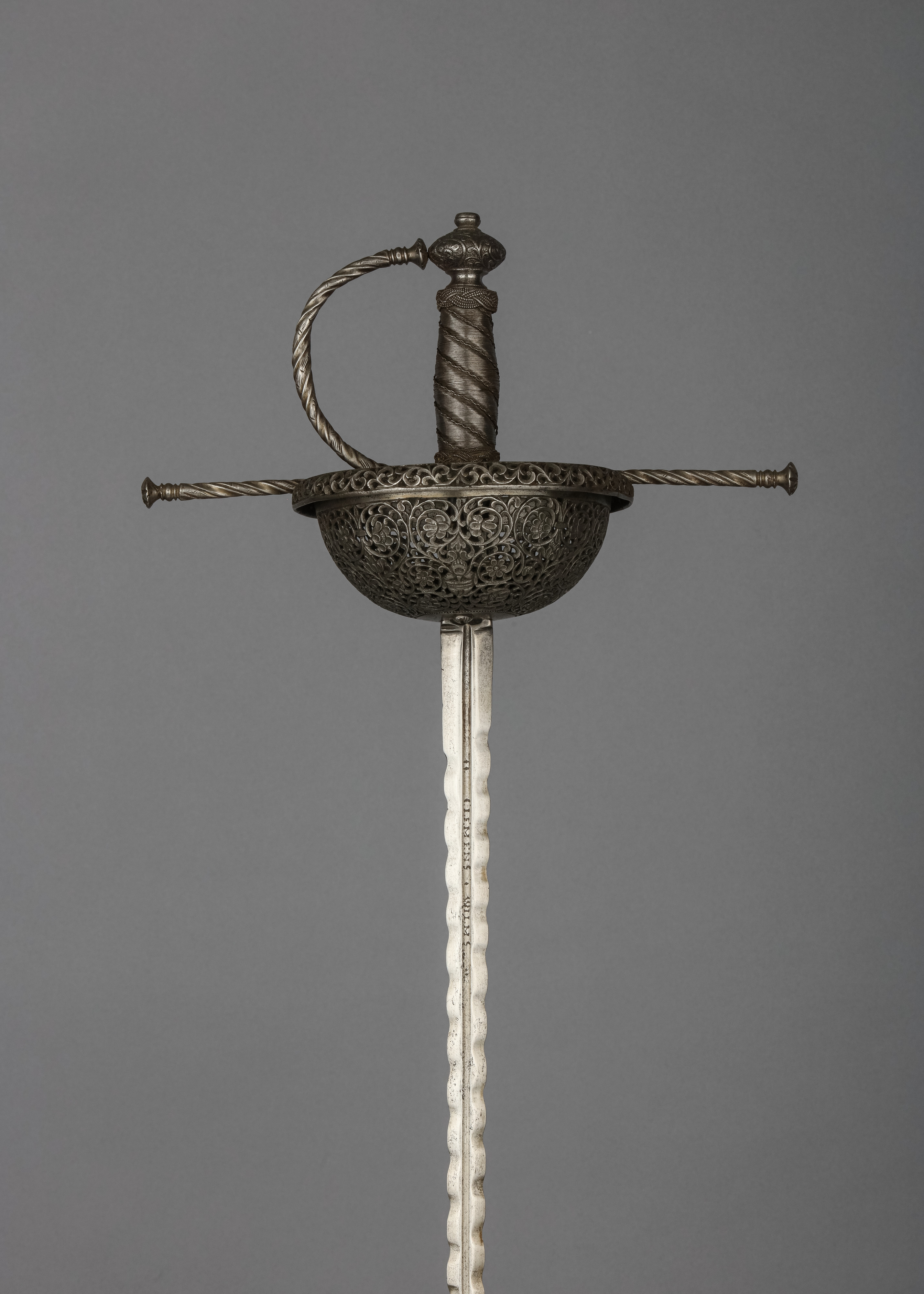
This document presents a strategic heritage analysis of the cup-hilted rapier (hilt, Spanish; blade, German; medium: steel, iron, wood) as a standalone research artifact for Katherine Fashion Lab. The analysis deconstructs the rapier’s symbolic power, historical adornment, and spiritual meaning, then translates these insights into a 2026 high-end luxury strategy. The cup-hilted rapier, a weapon of precision and status, offers a potent metaphor for luxury brands navigating the tension between heritage and modernity, protection and invitation.
Symbolic Power: Authority, Protection, and the Duality of Status
The cup-hilted rapier, particularly its Spanish variant, is not merely a weapon but a symbol of social authority and personal sovereignty. Originating in the 16th and 17th centuries, the rapier was a civilian sidearm, worn as a marker of gentility and legal right to self-defense. The cup hilt, a bowl-shaped guard of steel or iron, served a dual purpose: it protected the hand from an opponent’s blade, and it visually announced the wearer’s wealth, taste, and martial capability. In Spanish culture, the cup hilt was often intricately chiseled, gilded, or etched with religious and heraldic motifs, transforming a functional object into a statement of lineage and piety.
For Katherine Fashion Lab, this symbolic duality offers a powerful strategic lens. The cup hilt represents controlled vulnerability—an armature that shields while allowing the hand to act. In luxury fashion, this translates to collections that protect the wearer’s identity (through structure, layering, or signature motifs) while enabling expression. The rapier’s blade, forged in Germany, adds a layer of cross-cultural authority. German blades were prized for their tensile strength and sharpness, often imported to Spain for mounting. This fusion of national excellences mirrors the luxury industry’s reliance on global supply chains and material expertise—a reminder that true prestige is built on specialized mastery, not parochialism.
Strategic Application for 2026
Katherine Fashion Lab can leverage this symbolism by positioning its 2026 collections as armaments of modern identity. A campaign titled “The Sovereign Silhouette” could feature garments and accessories that evoke the rapier’s protective cup—structured shoulders, sculpted collars, or hand-held accessories that suggest both defense and elegance. The brand should emphasize that luxury is not passive adornment but active self-possession. The rapier’s dual origin (Spanish hilt, German blade) also validates a strategy of hybrid heritage, where Katherine Fashion Lab celebrates its own cross-cultural inspirations as a source of strength, not dilution.
Historical Adornment: The Rapier as Wearable Art and Status Currency
The cup-hilted rapier was a pinnacle of wearable art, where metallurgy met ornamentation. Spanish cup hilts were often decorated with damascening—inlaying gold or silver into etched steel—creating intricate patterns of vines, saints, or geometric motifs. The grip, typically of wood wrapped with wire or leather, was designed for both function and feel. The pommel, often faceted or engraved, balanced the blade and served as a final ornamental flourish. This level of detail transformed the rapier into a status currency: a nobleman’s rapier could cost as much as a small estate, signaling not just wealth but cultural literacy and taste.
Historical adornment also extended to the rapier’s scabbard, often covered in velvet, leather, or silver mounts. The entire ensemble—rapier, scabbard, belt—was a coordinated statement of personal branding. The wearer’s choice of motifs (religious, martial, or natural) communicated allegiances and aspirations. This is a direct parallel to contemporary luxury consumers who curate their appearance as a form of visual biography.
Strategic Application for 2026
Katherine Fashion Lab should introduce a “Cup-Hilt” capsule collection that translates these adornment principles into ready-to-wear and accessories. Key pieces could include:
- Metal-inlay leather goods (handbags, belts) with damascene-inspired patterns, using precious metals like gold or palladium.
- Structural outerwear with cup-shaped shoulder details and wire-wrapped seams, echoing the grip’s texture.
- Signature hardware on shoes and jewelry that mimics the faceted pommel, offering a tactile, weighty feel.
The collection should be marketed as “adornment as armor”, emphasizing that each piece is a curated investment in personal narrative. Limited-edition pieces with hand-engraved elements—each unique—would elevate the line to collectible status, appealing to high-net-worth individuals who value craftsmanship over mass production.
Spiritual Meaning: The Rapier as a Conduit of Divine Right and Moral Code
Beyond its physical utility, the cup-hilted rapier carried profound spiritual and moral significance. In Spanish culture, the rapier was often blessed by a priest before being worn, imbuing it with sacred protection. The cup hilt’s bowl shape was sometimes interpreted as a chalice, symbolizing the blood of Christ and the wearer’s duty to defend the faith. Etched motifs of saints, crosses, and the Virgin Mary transformed the weapon into a talisman, not just a tool for violence but a symbol of righteous defense.
This spiritual dimension also extended to the code of honor governing rapier use. The rapier was a weapon of the duel, not the battlefield—its use was governed by strict rules of etiquette, precision, and restraint. To draw a rapier was to invoke a moral contract, where skill and discipline were valued over brute force. This aligns with the spiritual materialism of luxury: the idea that objects can carry meaning beyond their physical form, serving as anchors for values, identity, and aspiration.
Strategic Application for 2026
Katherine Fashion Lab can integrate this spiritual dimension by developing a “Code of the Blade” brand philosophy. This would frame the brand’s offerings as instruments of personal integrity and discernment. For example:
- Each piece in the 2026 collection could come with a certificate of origin and intention, detailing the artisan’s process and the symbolic meaning of its design elements.
- Exclusive “Rapier Society” membership for top clients, offering access to heritage workshops, private viewings, and curated experiences that explore the moral and spiritual history of adornment.
- Collaborations with contemporary artisans who practice metalwork and engraving, creating a bridge between historical sacred craft and modern luxury.
This approach positions Katherine Fashion Lab not merely as a fashion house but as a custodian of meaningful heritage, appealing to consumers who seek authenticity, depth, and a sense of purpose in their purchases.
2026 High-End Luxury Strategy: The Rapier as a Blueprint for Market Positioning
Translating the cup-hilted rapier’s heritage into a 2026 luxury strategy requires a focus on three core pillars: scarcity, narrative, and ritual.
Scarcity and Material Virtuosity
The rapier’s value derived from the combination of rare materials (German steel, Spanish iron, exotic woods) and masterful craftsmanship. Katherine Fashion Lab should adopt a “material-first” approach, sourcing rare metals, heritage textiles, and sustainably harvested woods for limited runs. Each piece should be numbered and documented, with a provenance chain that mirrors the rapier’s own history of creation. This creates a collector’s market, where items appreciate in value and become heirlooms.
Narrative as a Luxury Asset
The rapier’s story—its dual origin, its role in duels and courtly life, its spiritual weight—is a narrative asset. Katherine Fashion Lab should build a brand universe around the rapier archetype, using immersive content (short films, digital archives, interactive exhibitions) to educate clients on the symbolism behind each design. The 2026 campaign could be titled “The Armory of the Self”, positioning each garment or accessory as a piece of personal armor for the modern world.
Ritual and Exclusivity
Finally, the rapier’s spiritual dimension suggests the power of ritual in luxury consumption. Katherine Fashion Lab should create bespoke commissioning experiences where clients co-create pieces with master artisans, similar to commissioning a rapier. This could include selecting materials, motifs, and finishes, with a ceremonial unveiling event. Such rituals elevate the purchase from transaction to rite of passage, reinforcing brand loyalty and emotional attachment.
Conclusion
The cup-hilted rapier is not merely a historical artifact but a strategic archetype for Katherine Fashion Lab’s 2026 high-end luxury strategy. Its symbolic power, historical adornment, and spiritual meaning offer a blueprint for creating collections that are protective, expressive, and deeply meaningful. By embracing the rapier’s dual heritage, its status as wearable art, and its moral code, Katherine Fashion Lab can differentiate itself in a crowded market, appealing to discerning clients who seek not just fashion, but armor for the soul. The brand stands to become a modern armorer, crafting luxury that defends, defines, and endures.