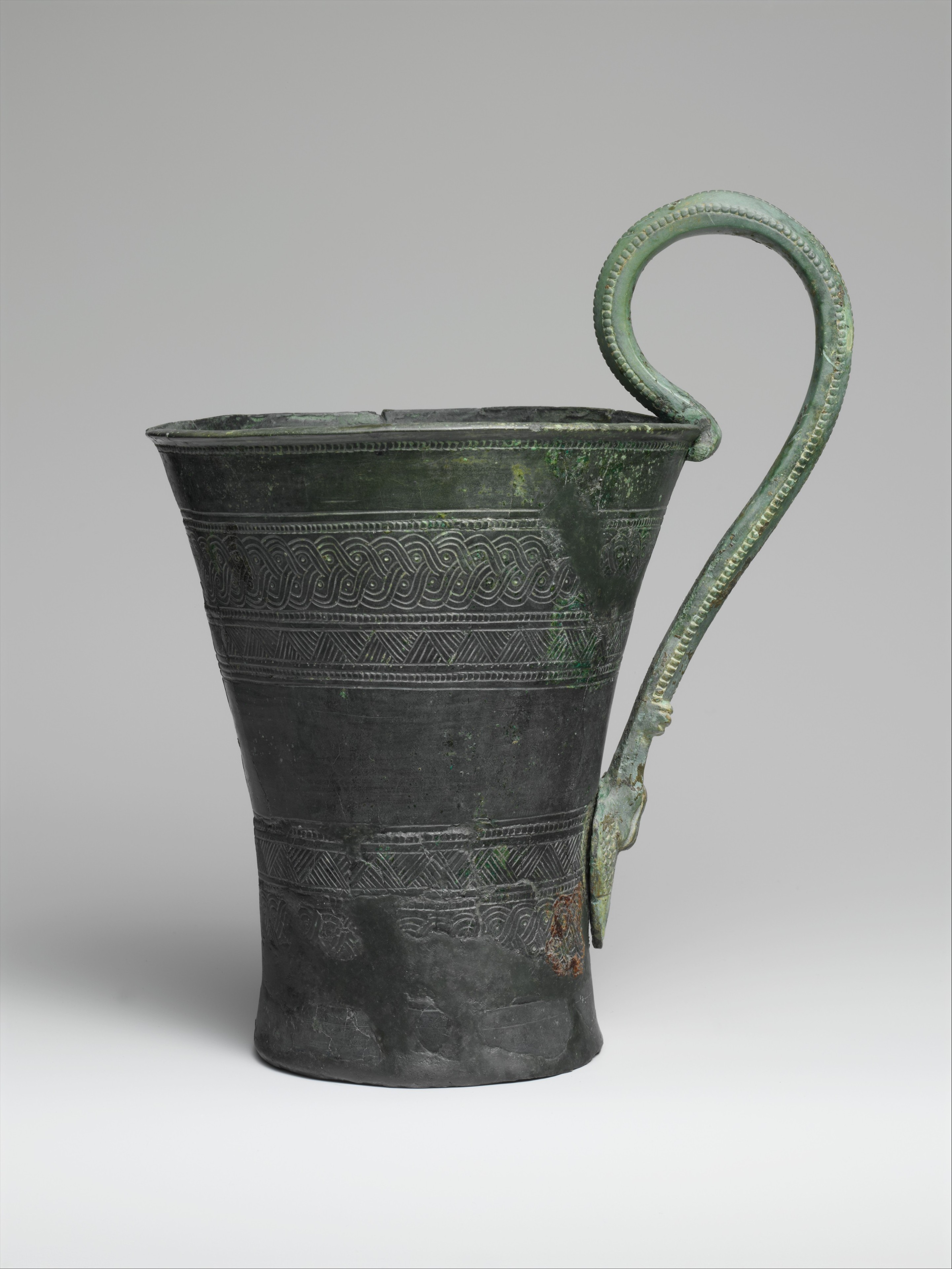
Heritage Analysis: The Etruscan Silver Kyathos
Introduction: A Vessel of Transition and Prestige
The Etruscan silver kyathos, a ladle distinguished by its silver bowl and bronze handle, represents far more than a utilitarian implement for wine service. As a curated artifact for Katherine Fashion Lab’s 2026 high-end luxury strategy, this object embodies a sophisticated intersection of symbolic power, historical adornment, and spiritual meaning. For the discerning luxury consumer, the kyathos offers a tangible link to the Etruscan civilization—a culture that prized artistry, ritual, and social hierarchy. This analysis deconstructs the kyathos’s heritage, extracting actionable insights for a luxury brand poised to redefine exclusivity through narrative depth and material integrity.
Symbolic Power: The Ladle as a Scepter of Authority
In Etruscan society, the kyathos was not merely a tool but a symbol of ritual authority and social distinction. Used in symposiums—elite drinking gatherings that mirrored Greek customs—the kyathos served as an instrument of libation, a sacred act of pouring wine to honor gods and ancestors. The silver bowl, a precious metal associated with lunar deities and purity, signified the bearer’s connection to the divine. The bronze handle, forged from a durable alloy linked to martial strength, grounded this celestial power in earthly dominance. Together, these materials created a dialectic: the kyathos was a scepter of both spiritual and temporal leadership.
For Katherine Fashion Lab, this duality offers a powerful metaphor for the 2026 luxury consumer. The modern elite seeks objects that confer not just status but agency. A luxury brand can leverage the kyathos’s symbolism by designing accessories or jewelry that echo its form—a ladle-shaped pendant, for instance—imbued with the narrative of “the one who pours.” This positions the wearer as a gatekeeper of experience, a curator of moments. The strategic application lies in limited-edition collections that reference the kyathos’s role in ritual, using storytelling to transform a simple ladle into a talisman of influence. The brand should emphasize that ownership is not passive; it is an active claim to a legacy of power.
Historical Adornment: Craftsmanship as Cultural Capital
The kyathos exemplifies Etruscan mastery of metalwork, a craft that elevated functional objects into works of art. The silver bowl was likely hammered from a single sheet, its surface polished to a mirror-like finish that reflected both the user’s face and the flickering torchlight of the symposium. The bronze handle, cast and then cold-worked, often featured intricate motifs—palmettes, animal heads, or geometric patterns—that signaled the owner’s wealth and cultural literacy. This juxtaposition of materials was intentional: silver, softer and more precious, was reserved for the vessel’s interior (the space of consumption), while bronze, harder and more utilitarian, formed the handle (the point of physical contact). This material hierarchy mirrored Etruscan social structures, where the elite displayed refinement through the adornment of everyday objects.
For high-end luxury strategy, the kyathos teaches a critical lesson: adornment is not limited to the body. In 2026, Katherine Fashion Lab can expand its portfolio beyond apparel into “functional heirlooms”—objects that adorn spaces and rituals. A silver-and-bronze serving set, for example, could become a signature collection, marketed as “tools for the modern symposium.” The brand should emphasize artisanal provenance, partnering with contemporary metalsmiths who revive Etruscan techniques like repoussé and lost-wax casting. Each piece would be numbered and accompanied by a certificate of heritage, detailing the Etruscan origins of its design. This transforms the kyathos from a museum relic into a living artifact, aligning with the luxury consumer’s desire for objects that carry history into the future.
Spiritual Meaning: The Kyathos as a Bridge Between Worlds
Beyond its social function, the kyathos held profound spiritual significance in Etruscan religion. The Etruscans believed that libations—poured from a kyathos—could appease restless spirits and secure divine favor. The silver bowl, often inscribed with symbols of the underworld (such as the pomegranate or serpent), was a conduit for offerings to the dead. The bronze handle, with its earthy tone, anchored this ritual to the physical realm. This duality—of serving both the living and the dead—imbued the kyathos with a liminal power. It was a tool of transformation, turning wine into a sacred medium.
For Katherine Fashion Lab’s 2026 strategy, this spiritual dimension offers a unique positioning: luxury as a ritual of self-care. The modern consumer, increasingly drawn to wellness and mindfulness, seeks objects that facilitate personal transformation. A kyathos-inspired collection could be marketed as “ritual ware” for daily ceremonies—morning tea, evening meditation, or celebratory toasts. The silver bowl becomes a symbol of inner purity, the bronze handle a reminder of earthly grounding. The brand should launch a narrative campaign titled “The Art of Pouring,” featuring testimonials from spiritual leaders, sommeliers, and artists who use the objects in their own practices. This elevates the kyathos from a historical artifact to a contemporary tool for sacred living, tapping into the luxury market’s growing appetite for meaning over materialism.
2026 High-End Luxury Strategy: From Artifact to Archetype
To integrate the kyathos’s heritage into a cohesive luxury strategy, Katherine Fashion Lab must move beyond mere replication. The object should serve as an archetype—a template for a new category of luxury goods that blend history, symbolism, and function. The following strategic pillars emerge:
1. Material Alchemy: The silver-bronze contrast must be reinterpreted using modern alloys. For 2026, consider recycled silver and sustainable bronze, emphasizing ethical sourcing. This aligns with the Etruscan reverence for natural materials while appealing to eco-conscious luxury buyers. The brand should patent a proprietary finish, such as “Etruscan Patina,” that mimics the aged surfaces of original artifacts.
2. Ritual-Centric Marketing: Position the kyathos not as a standalone item but as part of a ritual system. Develop a “Symposium Set” including a kyathos, silver cups, and a bronze wine cooler, each with a dedicated narrative. Offer exclusive workshops on Etruscan pouring techniques, hosted by historians and sommeliers. This transforms purchase into participation, fostering brand loyalty.
3. Digital Heritage: Use augmented reality (AR) to allow customers to “see” the kyathos in its original context—a virtual Etruscan tomb or symposium. Each purchase unlocks a digital archive of Etruscan art and mythology, creating a community of heritage enthusiasts. This bridges the gap between physical and digital luxury, a key trend for 2026.
4. Limited Edition and Provenance: Produce only 500 kyathos-inspired objects per year, each with a unique serial number and a blockchain-verified provenance tracing its design to specific Etruscan artifacts. This scarcity mirrors the original kyathos’s exclusivity—owned only by the elite—and appeals to collectors seeking verifiable authenticity.
Conclusion: Pouring the Future from the Past
The Etruscan silver kyathos is a masterclass in how a humble object can embody power, adornment, and spirituality. For Katherine Fashion Lab, it offers a blueprint for luxury that is not merely consumed but experienced. By honoring the kyathos’s heritage—its materials, rituals, and symbolism—the brand can create a 2026 strategy that resonates with a new generation of elites: those who seek not just products, but portals to history. The kyathos teaches that luxury is not in the object itself, but in the act of pouring—of giving form to meaning. Let this ancient ladle guide the brand’s hand.