Heritage Analysis: The Ring in Ancient Civilization
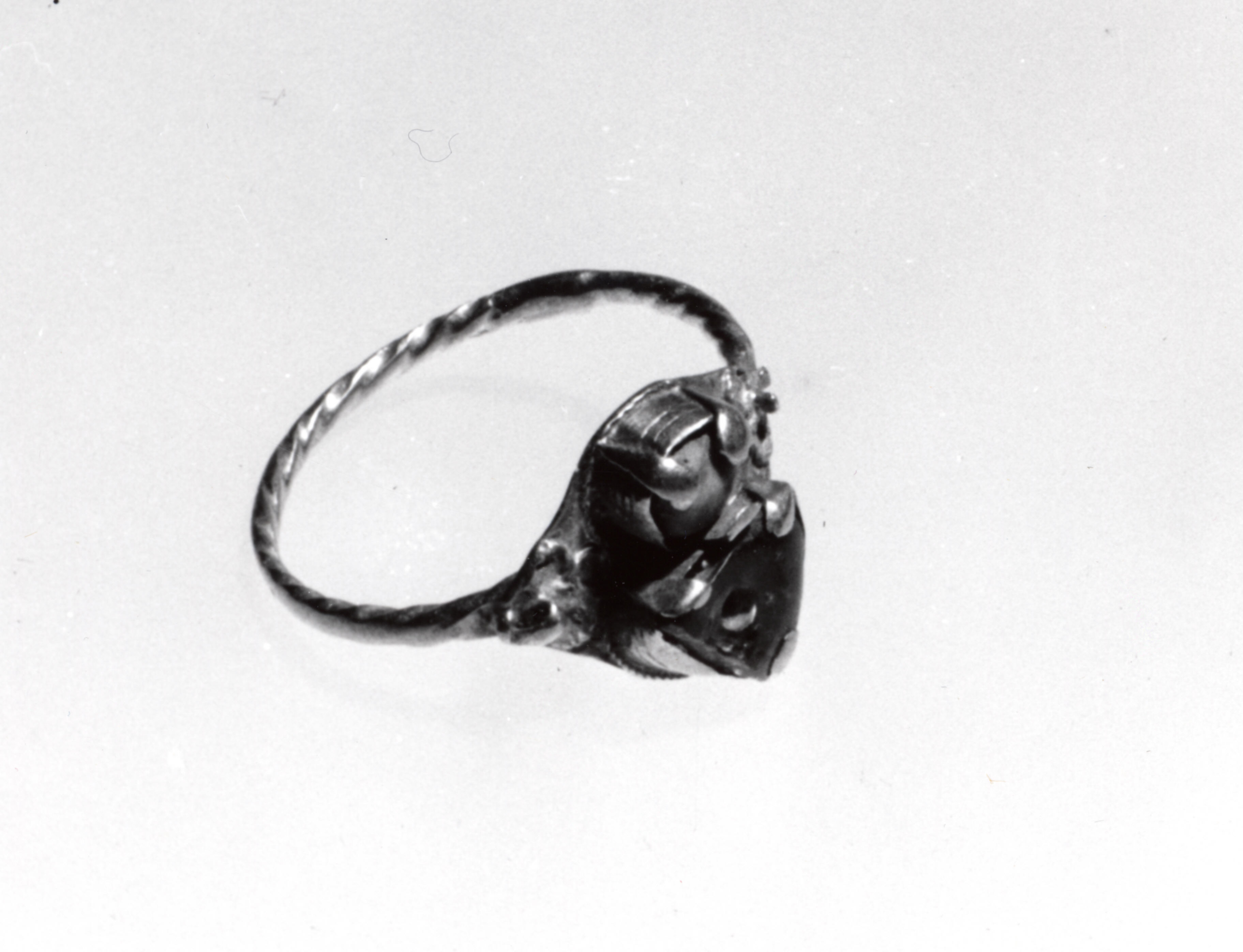
As Lead Heritage Curator for Katherine Fashion Lab, I present this strategic standalone research on the ring as a cultural artifact from ancient civilization. The ring, crafted from gold and gemstone, represents one of the earliest and most enduring forms of personal adornment, carrying profound symbolic power, historical significance, and spiritual meaning. This analysis examines these dimensions and translates them into actionable insights for a 2026 high-end luxury strategy.
Symbolic Power: The Ring as a Marker of Authority and Identity
In ancient civilizations, the ring was not merely decorative but a potent symbol of authority, status, and identity. Gold, revered for its incorruptibility and rarity, signified divine connection and earthly power. The addition of gemstones—often engraved with seals, deities, or personal insignia—elevated the ring to a tool of governance. In ancient Egypt, signet rings were used by pharaohs and officials to stamp documents, embodying the wearer’s legal and political authority. Similarly, in Mesopotamia, cylinder seals mounted as rings served as both jewelry and signatures, linking the individual to their social rank and contractual obligations.
For Katherine Fashion Lab, this symbolic legacy offers a foundation for luxury positioning. The ring’s historical role as a bearer of identity aligns with contemporary consumer desires for personalized, meaningful luxury. By emphasizing the ring as a vessel for personal narrative—whether through custom engravings, heritage-inspired motifs, or gemstone symbolism—the brand can tap into the growing demand for authenticity and self-expression. In 2026, a high-end strategy should position rings as heirloom pieces that communicate the wearer’s values, lineage, or aspirations, much like ancient signets did.
Historical Adornment: Craftsmanship and Cultural Exchange
The historical evolution of ring adornment reveals a rich tapestry of craftsmanship and cross-cultural influence. Ancient goldsmiths employed techniques such as granulation, filigree, and repoussé to create intricate designs, often incorporating gemstones like lapis lazuli, carnelian, and turquoise. These materials were sourced from distant lands—lapis from Afghanistan, turquoise from Persia—indicating early global trade networks. In ancient Greece and Rome, rings became more ornate, with cameos and intaglios depicting mythological scenes, while in ancient China, jade rings symbolized virtue and immortality.
This historical context underscores the importance of material provenance and artisanal mastery in luxury. For Katherine Fashion Lab, a 2026 strategy should celebrate the artistry of ancient techniques, perhaps collaborating with master artisans to revive lost methods or reinterpret them for modern aesthetics. The brand can differentiate itself by highlighting the journey of each gemstone—from mine to masterpiece—echoing the ancient appreciation for rare, ethically sourced materials. This narrative of cultural exchange and craftsmanship resonates with luxury consumers who value heritage and sustainability over mass production.
Spiritual Meaning: The Ring as a Conduit to the Divine
Beyond its social functions, the ring held deep spiritual significance in ancient civilizations. Gold was considered a metal of the gods, believed to possess protective and healing properties. Gemstones were attributed with metaphysical powers: amethyst for clarity, garnet for vitality, and emerald for fertility. In ancient Egypt, rings were placed in tombs to guide the deceased in the afterlife, while in Hinduism, rings adorned with specific gemstones were worn to align planetary energies. The circular form itself symbolized eternity, cycles of life, and cosmic unity.
This spiritual dimension offers a compelling narrative for modern luxury. As consumers increasingly seek wellness and mindfulness, rings can be positioned as talismans—objects of intention and protection. Katherine Fashion Lab can develop a collection inspired by ancient spiritual traditions, pairing specific gemstones with curated meanings (e.g., carnelian for courage, lapis lazuli for wisdom). In 2026, this approach aligns with the rise of “conscious luxury,” where products are valued for their emotional and energetic impact as much as their aesthetic. Brand storytelling can evoke the ritual of choosing a ring as a personal amulet, bridging ancient wisdom with contemporary self-care.
2026 High-End Luxury Strategy: Translating Heritage into Market Relevance
To leverage this heritage analysis for Katherine Fashion Lab’s 2026 strategy, I propose three pillars: Artisanal Revival, Symbolic Customization, and Spiritual Storytelling.
Artisanal Revival focuses on craftsmanship. The brand should partner with heritage ateliers to recreate ancient techniques, such as Etruscan granulation or Roman intaglio carving, using modern gold and ethically sourced gemstones. Limited-edition collections can highlight these methods, with transparent pricing that reflects the labor and skill involved. This positions Katherine Fashion Lab as a guardian of cultural heritage while appealing to collectors who seek rarity and expertise.
Symbolic Customization addresses the demand for personalization. Clients can work with a “heritage curator” to design rings that incorporate personal symbols—initials, birthstones, or motifs from their own cultural backgrounds. This mirrors the ancient practice of signet rings, where the design was unique to the wearer. A digital platform could allow clients to explore historical symbols and gemstone meanings, creating a bespoke experience that deepens brand loyalty.
Spiritual Storytelling integrates metaphysical concepts into marketing. Each ring can be presented with a “meaning card” detailing its gemstone’s historical and spiritual significance. Editorial content—such as short films or essays—can explore themes of eternity, protection, and transformation, connecting the ring to broader wellness trends. In 2026, this narrative will resonate with a demographic that values intentionality and ritual in their purchases, distinguishing Katherine Fashion Lab from competitors focused solely on aesthetics.
Conclusion
The ancient ring, forged from gold and gemstone, is a microcosm of human civilization—a testament to power, artistry, and spirituality. For Katherine Fashion Lab, this heritage analysis provides a strategic blueprint for 2026. By honoring the ring’s symbolic, historical, and spiritual roots, the brand can create luxury that is not only beautiful but meaningful. The challenge lies in balancing reverence for tradition with innovation in design and marketing. With a focus on artisanal revival, symbolic customization, and spiritual storytelling, Katherine Fashion Lab can position the ring as a timeless artifact for the modern connoisseur, securing its place in the evolving landscape of high-end luxury.