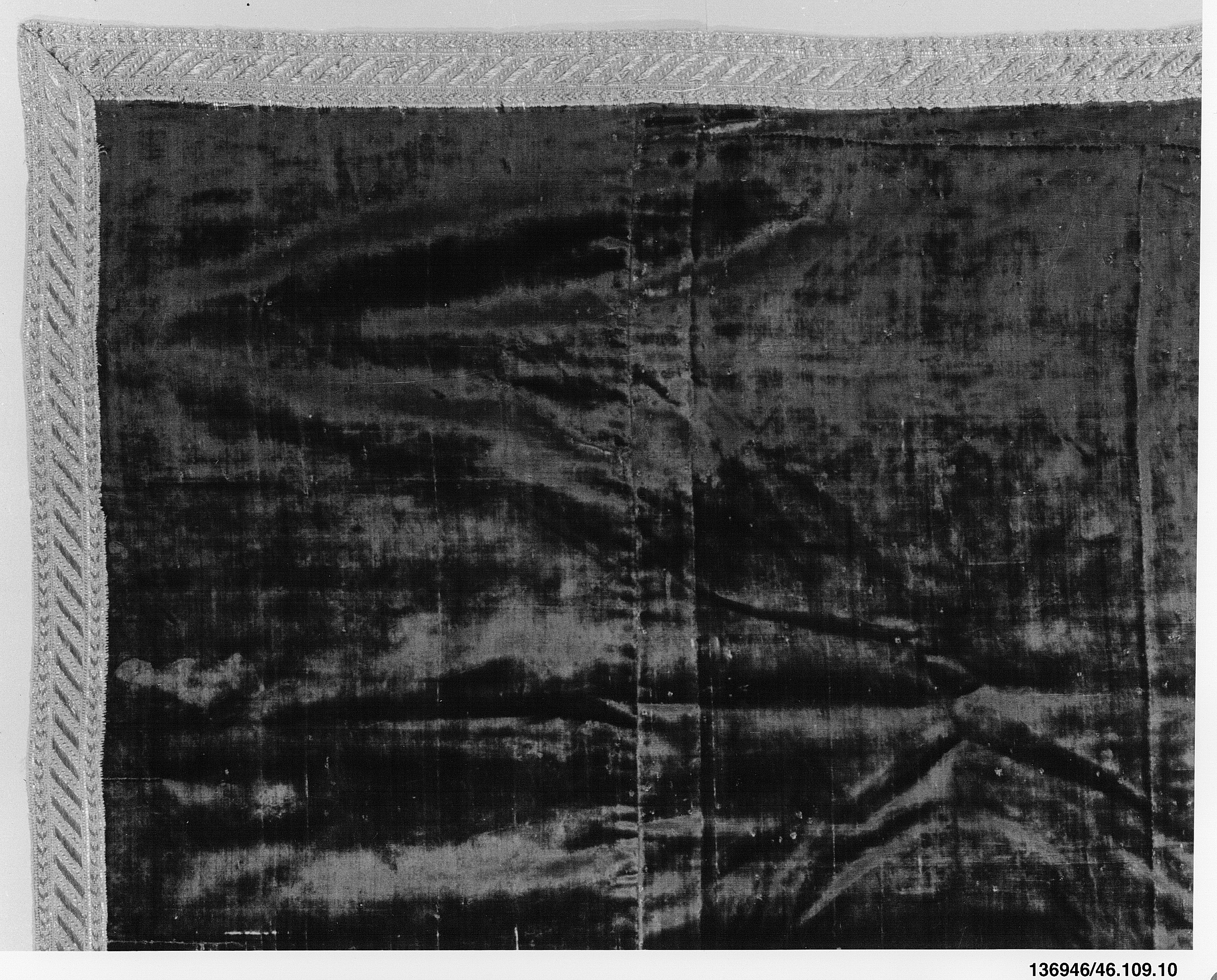
The Crimson Velvet Panel: A Study in Material Mastery and Global Heritage
In the rarefied world of haute couture, where fabric is not merely a medium but a narrative, the standalone study of a single material element can unlock profound insights into design philosophy, craftsmanship, and cultural resonance. At Katherine Fashion Lab, we have undertaken a meticulous analysis of a singular artifact: a panel of crimson velvet, sourced from the annals of Global Heritage and rendered in pure silk. This is not a garment, nor an accessory, but a pure, unadulterated segment of textile—a testament to the power of materiality itself. Through this analysis, we explore how a panel of silk velvet, in its deep, sanguine hue, embodies a convergence of historical techniques, sensory luxury, and strategic design potential.
Material Provenance: The Silk Velvet Legacy
The foundation of this analysis rests upon the intrinsic properties of the material. Silk velvet is a fabric of unparalleled complexity, requiring a double-cloth weaving process where a pile warp is cut to create a dense, upright surface. In this crimson panel, the silk foundation provides a luminous, almost liquid base, while the velvet pile—dyed a deep, resonant crimson—absorbs and reflects light in a manner that shifts with every angle. The Global Heritage designation here is critical: it signifies that the raw silk and the weaving techniques are rooted in traditions that span continents, from the sericulture of East Asia to the velvet-weaving mastery of Renaissance Italy and the Ottoman Empire. This panel is not a product of industrial uniformity; it is a handcrafted artifact, where slight variations in pile density and dye absorption speak to the human hand and the organic nature of natural silk filaments.
The crimson color itself is a study in historical significance. Derived historically from kermes insects or, more recently, from synthetic alizarin, this shade has long been associated with power, passion, and ecclesiastical authority. In the context of this panel, the dye is applied with precision, saturating each fiber without compromising the silk’s natural sheen. The result is a color that is both bold and deep, evoking the richness of a cardinal’s robe or the dramatic folds of a Renaissance court gown. For Katherine Fashion Lab, this panel represents a strategic asset: a material that communicates status and emotional intensity without the need for embellishment.
Structural Analysis: Density, Drape, and Dimensionality
A standalone panel of velvet offers a unique opportunity to examine its structural behavior in isolation. The pile height of this crimson velvet is approximately 1.5 millimeters, a medium density that balances plushness with structural integrity. When held vertically, the panel exhibits a soft, fluid drape, with the velvet pile compressing slightly at the folds to create subtle shadow lines. This is not a stiff, upholstery-grade velvet; it is a couture-quality textile designed to move with the body or to be shaped into sculptural forms. The weight of the silk base—approximately 250 grams per square meter—provides enough heft to hold a defined silhouette, yet the fabric remains breathable and luxuriously soft against the skin.
The reverse side of the panel reveals the warp and weft structure, a plain-weave silk ground that contrasts sharply with the plush face. This duality is a hallmark of quality: the technical precision required to maintain a uniform pile without distortion speaks to the weaver’s expertise. In a standalone study, this backside becomes a design element in itself, offering opportunities for reversible applications or for contrasting textures in a finished garment. The panel’s edges are raw, with a slight fraying that indicates a hand-cut finish—a deliberate choice to preserve the integrity of the weave rather than sealing it with synthetic treatments.
Sensory and Aesthetic Dimensions: The Tactile Experience
Couture analysis must transcend the visual, engaging the tactile and even the olfactory senses. The touch of this crimson velvet is initially cool, a sensation that quickly warms as the silk fibers adapt to the skin. The pile yields under gentle pressure, creating a memory effect—a slight depression that slowly recovers. This is not a static material; it is alive, responding to interaction. The sound of the fabric is a soft, muffled rustle, distinct from the crispness of taffeta or the whisper of charmeuse. This acoustic quality adds a layer of intimacy to the material, making it ideal for garments intended for close-proximity encounters, such as evening gowns or ceremonial robes.
Aesthetically, the crimson velvet panel is a study in light and shadow. Under direct illumination, the pile reflects a brilliant, almost fiery red, with individual fibers catching light like tiny mirrors. In shadow, the color deepens to a near-black burgundy, creating a dramatic chiaroscuro effect. This chameleon-like quality is a strategic advantage for designers: a single panel can shift from bold statement to subtle elegance depending on the lighting environment. For Katherine Fashion Lab, this panel is a reminder that material selection is a form of storytelling, where the interplay of light and texture can evoke emotions ranging from awe to intimacy.
Design Implications: From Standalone Study to Couture Application
While this analysis focuses on the panel in isolation, its potential within a couture context is vast. The crimson velvet could serve as the centerpiece of a bias-cut gown, where its fluid drape would create a column of color that moves with the wearer. Alternatively, it could be used in structured panels, such as a fitted bodice or a dramatic train, where the velvet’s density would hold architectural forms. The raw edges of the panel suggest a deconstructed aesthetic, aligning with contemporary trends that celebrate unfinished, artisanal details. For a standalone study, the panel might be mounted on a frame as a textile art piece, allowing connoisseurs to appreciate its craftsmanship without the distraction of garment construction.
From a strategic perspective, this panel represents a global heritage asset that can be leveraged for brand storytelling. The crimson silk velvet is not merely a fabric; it is a bridge between cultures, a nod to the Silk Road trade routes that connected East and West. For a luxury house, incorporating such a material into a collection signals a commitment to provenance, sustainability, and timelessness. The panel’s standalone study also offers a pedagogical opportunity: it can be used to train designers in material appreciation, emphasizing that true couture begins with a deep understanding of the textile itself.
Conclusion: The Panel as a Microcosm of Couture Excellence
In the end, this panel of crimson silk velvet is far more than a piece of fabric. It is a microcosm of couture excellence, encapsulating centuries of weaving tradition, a masterful command of color and texture, and an invitation to explore the sensory dimensions of fashion. For Katherine Fashion Lab, this standalone study reaffirms a core principle: that material is destiny. The crimson velvet panel, with its global heritage, structural integrity, and emotional resonance, stands as a testament to the art of textile creation. Whether destined for a gown, a cape, or a gallery wall, it reminds us that in the hands of a skilled designer, a single panel can speak volumes—a crimson whisper of history, luxury, and infinite possibility.