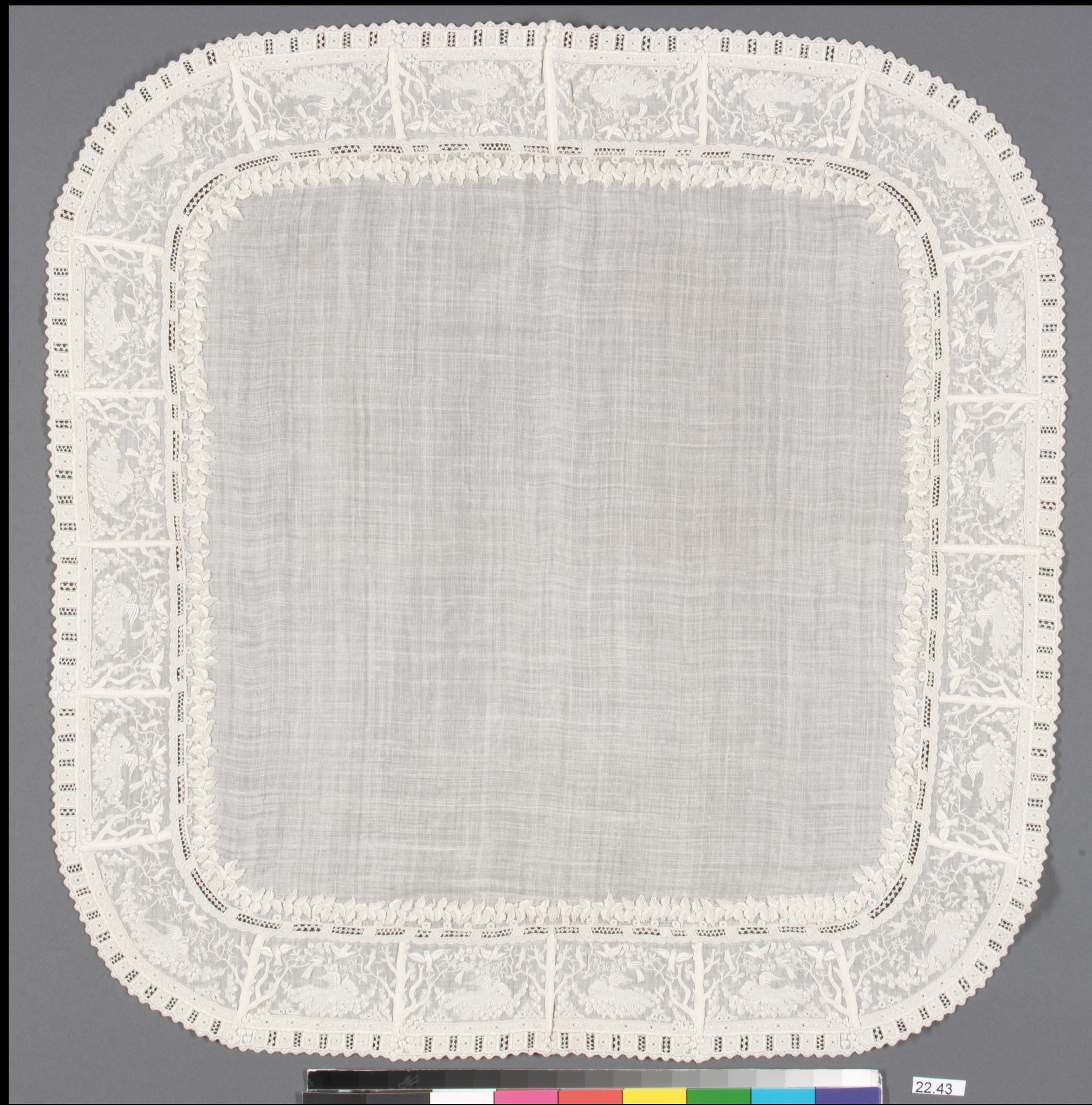
The Handkerchief as Couture: A Study in Global Heritage and Artisanal Materiality
In the lexicon of fashion, the handkerchief is often dismissed as a relic—a utilitarian square of fabric consigned to pockets, handbags, or the occasional sentimental tear. Yet, for Katherine Fashion Lab, this humble accessory is elevated to a singular couture artifact, a testament to the interplay between global heritage and artisanal materiality. This standalone study dissects the handkerchief not as a mere commodity, but as a canvas for cultural storytelling, a repository of handcrafted excellence, and a silent protagonist in the narrative of personal adornment. Through the lens of Katherine Fashion Lab’s meticulous curation, we explore how a piece of cloth, when imbued with centuries of tradition and the touch of a master artisan, transcends its origins to become a wearable masterpiece.
Heritage Unfolded: The Handkerchief as Global Archive
The handkerchief’s lineage is as diverse as the civilizations that have wielded it. From the silk kerchiefs of ancient China, used as symbols of status and affection, to the intricately embroidered foulards of 18th-century French courts, this object has long been a carrier of cultural DNA. Katherine Fashion Lab’s approach honors this global provenance by sourcing narratives from across continents. Each handkerchief in their collection is a geographical echo—a nod to the Mughal artisans who perfected chikankari embroidery in Lucknow, or the Venetian weavers who engineered lace so delicate it mimicked spider silk. The lab’s curatorial philosophy posits that the handkerchief is a microcosm of human exchange: a silent diplomat that traveled trade routes, carrying motifs from Persia to Provence, from India to Italy. This global heritage is not merely decorative; it is structural. The choice of a specific fold, stitch, or dyeing technique becomes a coded language, referencing rituals of courtship, mourning, or celebration. For instance, the Japanese tenugui—a rectangular cotton cloth—is repurposed in Katherine Fashion Lab’s designs to evoke the restrained elegance of wabi-sabi, where imperfection is revered. By weaving these disparate traditions into a single object, the lab transforms the handkerchief into a tactile archive, inviting the wearer to engage with history through touch and gesture.
Material Alchemy: Artisanal Craft in the Age of Machine
At the heart of this analysis lies the material itself—the artisanal fabric that distinguishes Katherine Fashion Lab’s handkerchiefs from mass-produced alternatives. The lab rejects industrial uniformity in favor of slow, deliberate creation. Here, hand-spun linen from the flax fields of Belgium meets hand-dyed indigo from the Niger River basin, each fiber bearing the imprint of the artisan’s hand. The process begins with raw materials that are themselves heritage: khadi cotton, woven on handlooms in rural India, or muga silk from Assam, a textile so rare it is reserved for royalty. These fabrics are then treated through techniques that verge on alchemy. Natural dyeing with madder root, pomegranate rind, or iron mordants yields colors that shift with light and age, defying the static hues of synthetic pigments. Hand-embroidery, executed in painstaking stitches like zardozi (metallic threadwork) or kantha (running stitch quilting), adds texture and depth, turning the handkerchief into a low-relief sculpture. The lab’s artisans, often working in cooperative studios across Morocco, Guatemala, and Japan, bring generational knowledge to each piece. A single handkerchief may require weeks of labor—a stark counterpoint to the seconds it takes to produce a factory equivalent. This investment in time and skill imbues the material with an almost spiritual weight, making each handkerchief a unique artifact rather than a repeatable product.
Structural Poetics: From Function to Form
Katherine Fashion Lab’s handkerchief is not confined to its conventional role as a nose-wiper or sweat-absorbent. Instead, it is reimagined as a multifunctional couture element—a drape, a veil, a pocket square, or a wrist adornment. The lab’s design language emphasizes structural fluidity, where the handkerchief’s square geometry becomes a point of departure for endless configurations. A single piece, when folded diagonally, can mimic the lines of a tailored cravat; when gathered, it transforms into a rosette brooch. This mutability challenges the wearer to become co-creator, engaging with the object not as a passive consumer but as an active stylist. The materiality supports this versatility: lightweight silks drape with liquid grace, while stiff linens hold crisp folds. The hand-stitched edges, often finished with a rolled hem or picot trim, ensure durability without compromising delicacy. In this context, the handkerchief becomes a portable studio—a canvas that adapts to the body’s movements and the wearer’s intent. It is a study in economy of form, where a single square contains infinite potential, much like a haiku captures vast emotion in seventeen syllables.
Cultural Resonance: The Handkerchief as Identity and Ritual
Beyond its physical attributes, the handkerchief carries profound symbolic weight. In many cultures, it is a talisman: a bride’s handkerchief in Eastern Europe, embroidered with protective symbols; a soldier’s mouchoir in Napoleonic France, tucked into a breastplate as a charm against death. Katherine Fashion Lab taps into this ritualistic dimension, positioning the handkerchief as a marker of identity and memory. The lab’s collaborations with living artisans ensure that each piece is embedded with cultural specificity—a Mexican rebozo weave, a Palestinian tatreez cross-stitch pattern. These are not mere aesthetic borrowings; they are acts of preservation. By commissioning these techniques, the lab provides economic sustenance to communities whose crafts are endangered by globalization. The wearer, in turn, becomes a steward of heritage, carrying a fragment of a disappearing world in their pocket. This ethical dimension elevates the handkerchief from object to cultural artifact, one that demands respect and care. It is a quiet rebellion against fashion’s disposability, a statement that beauty and meaning are not mutually exclusive.
Conclusion: The Handkerchief as Couture Manifesto
In the hands of Katherine Fashion Lab, the handkerchief transcends its humble origins to become a couture manifesto. It asserts that luxury is not defined by volume or visibility, but by the depth of story and the mastery of craft. This standalone study reveals that the handkerchief, far from being anachronistic, is a prescient object for our times—portable, personal, and profoundly connected to global narratives of artistry and resilience. As we navigate an era of digital saturation and fast fashion, the lab’s handkerchief offers a tactile antidote: a piece of cloth that demands we slow down, touch, and remember. It is a testament that the most profound fashion statements are often the most intimate, and that a square of artisanal fabric, when woven with heritage and handwork, can speak volumes without uttering a word. For the discerning collector, the Katherine Fashion Lab handkerchief is not an accessory; it is an heirloom in the making.