Anatomy of Power: A Couture Analysis of the Italian Steel Vambrace
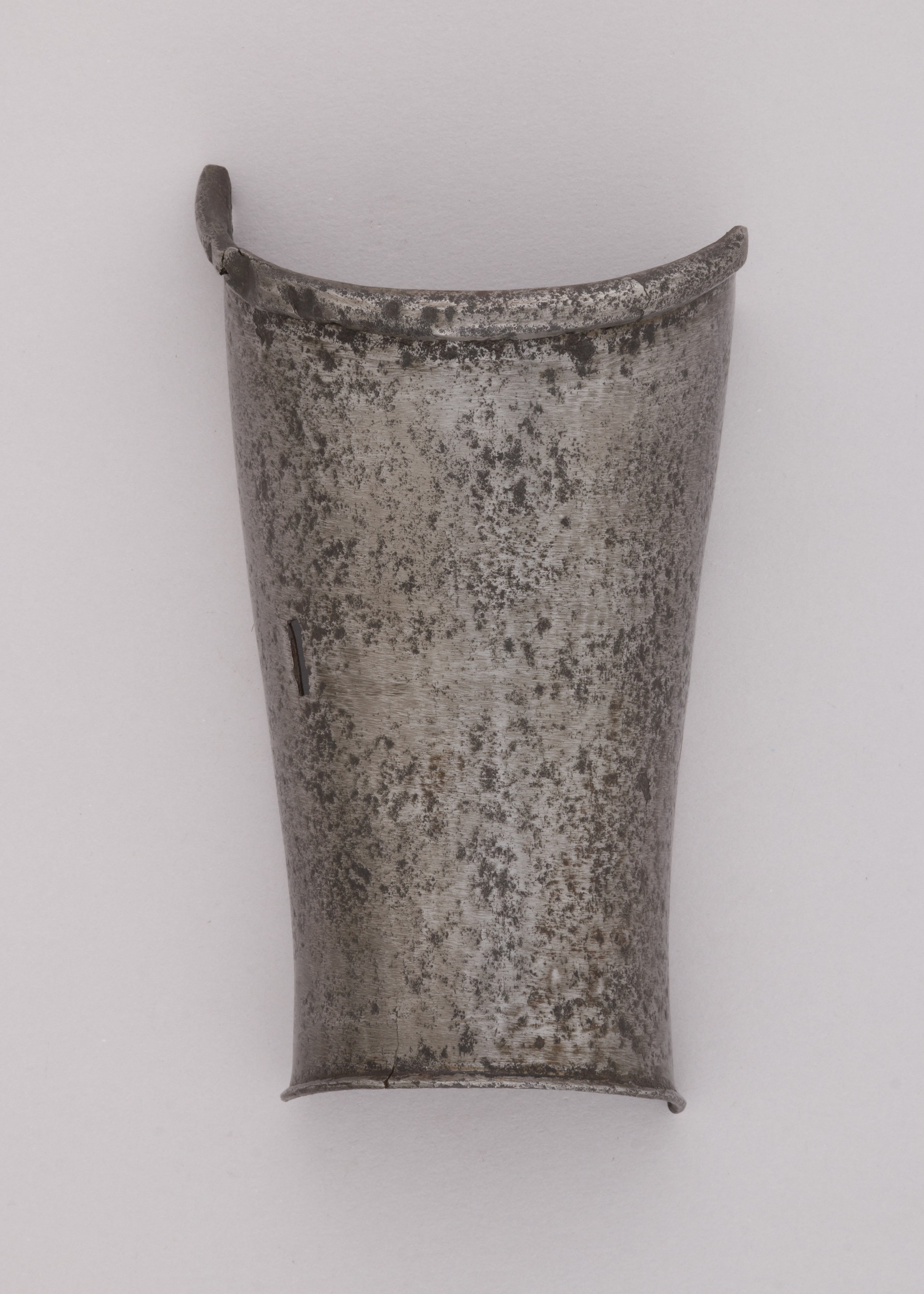
In the lexicon of fashion, few artifacts command the intersection of utility and artistry with the same gravitas as the armored vambrace. This standalone study of a singular Italian steel vambrace—a component of a forearm defense—reveals a masterpiece of medieval couture that transcends its martial origins. At Katherine Fashion Lab, we dissect this piece not merely as a relic of battle, but as a profound statement of structural elegance, material mastery, and sartorial authority. The vambrace, designed to protect the forearm from wrist to elbow, emerges here as a sculptural dialogue between human anatomy and metallic fortitude, offering a blueprint for contemporary design thinking on resilience and form.
Material Alchemy: Steel as a Second Skin
The choice of steel is not arbitrary; it is a declaration of intent. In the context of Italian Renaissance armories, steel was the medium of choice for its balance of hardness and malleability. This vambrace, forged from high-carbon steel, exhibits a patina that speaks to centuries of oxidation and preservation. The surface reveals a subtle, almost organic grain—a testament to the hammering and annealing processes that transformed raw ore into a wearable shield. For the couture analyst, the material’s weight and texture are critical. Unlike the cold, uniform sheen of modern stainless steel, this piece bears the irregularities of handcraft: faint ripples from the hammer, a slight asymmetry in the curve that mirrors the natural taper of a human arm. These imperfections are not flaws but signatures of a bespoke process, akin to the hand-stitching on a haute couture gown. The steel’s ability to reflect light in varying intensities—from a dull, matte gray in recessed areas to a polished gleam along the raised central ridge—creates a dynamic luminosity that changes with the viewer’s perspective, much like the play of silk taffeta under a gallery spotlight.
Structural Syntax: Form Follows Forearm
The vambrace’s architecture is a study in ergonomic precision. It is composed of two principal sections: the cannon, which encases the outer forearm, and the couter, a smaller articulated plate at the elbow. In this standalone example, the cannon dominates, curving in a gentle, protective arc that hugs the radius and ulna bones. The interior is lined with a subtle flange—a rolled edge that prevents chafing against the gambeson or flesh beneath. This detail is analogous to the facing of a blazer or the bound seams of a corset: invisible in the final silhouette yet essential for comfort and longevity. The exterior features a pronounced central ridge, a structural spine that deflects blows and channels visual attention. This ridge is not merely functional; it is a line of tension that echoes the darting in a tailored bodice, creating a sense of dynamic movement even in stillness. The vambrace’s articulation points—small rivets and leather straps—are hardware as jewelry, their brass or iron heads forming a rhythmic pattern along the lateral edges. In couture terms, these are the buttons and grommets that define a garment’s closure system, marrying utility with ornament.
Cultural Context: The Vambrace as Status Symbol
Beyond its protective function, this Italian vambrace is a signifier of social rank. In the 15th and 16th centuries, armor was not mass-produced; it was commissioned from master armories in Milan, Brescia, or Florence. The quality of the steel, the intricacy of the shaping, and the presence of decorative etching or gilding (even if now worn) indicated the wearer’s wealth and martial prowess. This piece, with its clean lines and minimal ornament, suggests a functional elegance favored by condottieri—mercenary captains who valued both performance and aesthetic restraint. The vambrace’s form also reflects the humanist ideals of the Italian Renaissance: a celebration of the human body as a measure of all things. The armor does not obscure the arm’s natural silhouette but enhances it, much like a couture sheath dress that sculpts without constricting. In this sense, the vambrace is a precursor to power dressing—a wearable assertion of control, discipline, and mastery over one’s environment.
Design Principles for the Modern Atelier
From this artifact, Katherine Fashion Lab extracts three foundational principles for contemporary couture:
1. The Integrity of Material Expression. The vambrace’s steel is unapologetically itself. There is no attempt to mimic leather or fabric; the metal’s hardness is celebrated. For modern designers, this teaches the value of material honesty—allowing a fabric’s weight, drape, or sheen to dictate the garment’s structure, rather than forcing it into an unnatural mold. A wool crepe, for instance, should be cut to honor its body, just as steel is shaped to honor its tensile strength.
2. The Poetics of Articulation. The vambrace’s riveted joints and leather straps are not hidden but highlighted. They create points of visual and functional interest that invite closer inspection. In haute couture, this translates to the deliberate exposure of zippers, the asymmetry of closures, or the contrast of a grosgrain waistband against silk. Articulation becomes a narrative of construction, not a flaw to be concealed.
3. The Dialogue Between Protection and Expression. Armor is, at its core, about shielding the self. Yet this vambrace also expresses identity—through its form, its wear, its history. Modern fashion often oscillates between armor-like shells (shoulder pads, structured blazers) and vulnerability (sheer fabrics, open backs). The vambrace teaches that protection can be beautiful, and that strength need not sacrifice grace. A leather moto jacket or a tailored power suit owes a debt to this principle: it defends the wearer while declaring their presence.
Conclusion: The Vambrace as a Timeless Couture Archetype
This Italian steel vambrace is far more than a fragment of medieval warfare. It is a masterclass in silhouette, materiality, and social narrative. Its curves echo the arm’s natural grace; its patina tells a story of use and survival; its structure embodies the Renaissance ideal of beauty forged through discipline. For the contemporary designer, it serves as a reminder that couture is not merely about adornment but about creating a second skin that empowers, protects, and communicates. At Katherine Fashion Lab, we view this vambrace as a template for resilient elegance—a call to design with the same reverence for form, function, and history that defined the armories of Italy. In every hammer strike and polished edge, we find a lesson in how to dress not just the body, but the spirit.