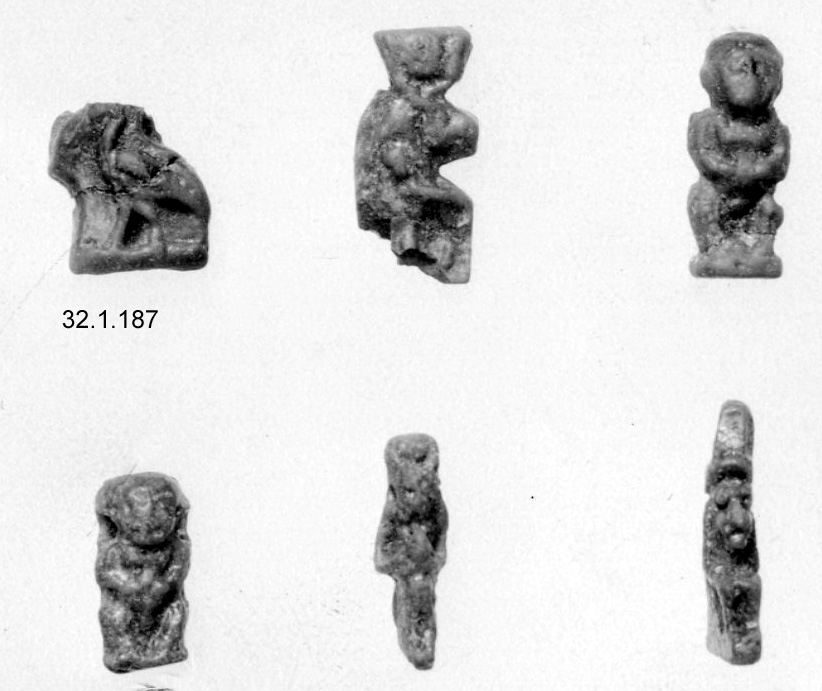
Heritage Analysis: The Amulet of Ibis in Faience
This report presents a strategic heritage analysis of the Amulet of Ibis, rendered in faience, as a subject for potential luxury brand integration at Katherine Fashion Lab. The analysis is conducted as a standalone research piece, focusing on the amulet’s symbolic power, historical adornment, spiritual meaning, and its strategic relevance for high-end luxury positioning in 2026. Drawing on ancient civilization contexts, this paper aims to provide a rigorous foundation for curatorial and commercial decision-making.
Symbolic Power: The Ibis as a Divine Mediator
The ibis, in the ancient Egyptian pantheon, was inextricably linked to Thoth, the god of writing, wisdom, magic, and the moon. As a sacred avian symbol, the ibis represented the threshold between the mortal and the divine—a creature that could traverse the liminal space of the Nile marshes, where life and death intermingled. The amulet form, typically small and portable, amplified this symbolic power by condensing divine attributes into a talismanic object. In faience, a material of brilliant blue-green (representing rebirth and the Nile’s fertility), the ibis amulet was not merely decorative; it was a functional conduit for protective and intellectual energies.
From a curatorial perspective, the symbolic power of the ibis amulet lies in its dual capacity for intellect and protection. For Katherine Fashion Lab, this symbol can be strategically leveraged to signify a brand ethos of wisdom, discernment, and curated knowledge. In an era where luxury consumers increasingly seek meaning over mere aesthetics, the ibis offers a narrative of intellectual sophistication—a counterpoint to transient trends. The amulet’s historical role as a guardian of scribes and scholars aligns with a high-end clientele that values education, literacy, and the preservation of cultural heritage.
Historical Adornment: Faience as a Medium of Status and Ritual
Faience, a non-clay ceramic composed of crushed quartz and alkaline salts, was one of the earliest synthetic materials in human history. Its production in ancient Egypt was a closely guarded craft, reserved for elite adornment, temple offerings, and funerary goods. The Amulet of Ibis, when crafted in faience, signified not only the owner’s wealth but also their access to ritual purity and divine favor. The material’s characteristic glaze—often a vivid turquoise or deep blue—was associated with the heavens and the primeval waters of creation.
Historically, such amulets were worn as pendants, sewn into linen wrappings, or placed on mummies to ensure safe passage in the afterlife. The ibis amulet was particularly favored by priests and royal officials, who saw Thoth as their patron. This historical context provides Katherine Fashion Lab with a rich narrative of exclusivity and ritualistic value. In a 2026 luxury strategy, faience can be reimagined as a sustainable, artisanal material—akin to fine ceramics or hardstone—that bridges ancient craftsmanship with modern luxury. The amulet’s small scale and intricate detailing make it an ideal motif for limited-edition jewelry, accessories, or even bespoke packaging that evokes a sense of discovery and talismanic ownership.
Spiritual Meaning: Protection, Wisdom, and the Lunar Cycle
The spiritual meaning of the ibis amulet is multifaceted. On one level, it served as a protective charm against evil forces, particularly those that threatened the intellect or the soul’s journey. On a deeper level, the ibis was a lunar symbol, its curved beak mirroring the crescent moon. Thoth, as the moon god, regulated time, measured the seasons, and recorded the deeds of the deceased. Thus, the amulet embodied cosmic order (Ma’at) and the eternal cycle of death and rebirth.
For a luxury brand targeting discerning consumers in 2026, spiritual meaning must be approached with cultural sensitivity and authenticity. The ibis amulet offers a non-denominational yet deeply resonant symbol of inner wisdom, protection from digital overload, and a connection to slower, more deliberate rhythms. This aligns with the growing trend of “mindful luxury,” where clients seek objects that enhance mental clarity and emotional resilience. Katherine Fashion Lab can position the ibis as a modern talisman for the knowledge worker—a subtle acknowledgment of the wearer’s intellectual pursuits and spiritual grounding. The lunar association also invites seasonal or celestial collections, tying product drops to astrological or lunar calendars for added narrative depth.
2026 High-End Luxury Strategy: Integrating the Ibis Amulet
To translate this heritage analysis into a actionable luxury strategy for 2026, Katherine Fashion Lab should consider three core pillars: Artisanal Revival, Narrative-Driven Design, and Curatorial Exclusivity.
Artisanal Revival: Faience as a Signature Material
Investing in a revival of faience craftsmanship—either through partnerships with contemporary ceramic artists or in-house ateliers—could become a distinctive brand hallmark. The material’s historical association with royalty and ritual offers a unique selling proposition in a market saturated with gold and diamonds. A limited run of ibis amulet pendants, brooches, or cufflinks, each hand-glazed and subtly iridescent, would command premium pricing. The production process can be documented as a “heritage craft” narrative, appealing to clients who value transparency and provenance.
Narrative-Driven Design: The Ibis as a Storytelling Motif
The ibis amulet should not be a standalone reproduction but a motif woven into a broader collection. For example, a “Thoth Collection” could include writing instruments, leather journals, and lapel pins, each echoing the ibis’s form and symbolic weight. The amulet’s protective function can be reframed as “intellectual armor” for the modern professional—a subtle yet powerful accessory for boardrooms, galleries, or private study. Storytelling materials, such as a lavishly illustrated booklet or an augmented reality experience that explains the amulet’s history, would deepen client engagement.
Curatorial Exclusivity: Limited Editions and Bespoke Services
In 2026, exclusivity will be defined not by price alone but by access to knowledge and rarity. Katherine Fashion Lab can offer a bespoke “amulet consultation,” where clients select specific faience glazes, engrave personal symbols, or incorporate actual archaeological replicas (ethically sourced and reproduced). Each amulet could be numbered and accompanied by a certificate of authenticity from a collaborating Egyptologist. This transforms the object from a commodity into a collectible art piece, fostering brand loyalty among high-net-worth individuals who value cultural capital.
Strategic Positioning: The Intersection of Heritage and Innovation
Finally, the ibis amulet must be positioned within a broader brand narrative that balances heritage with modernity. Katherine Fashion Lab can leverage digital platforms for storytelling, such as a short film on the faience-making process or a podcast series on ancient symbolism. The amulet’s spiritual meaning can be integrated into wellness-oriented branding—perhaps as a “focus amulet” for meditation or a “wisdom charm” for creative professionals. By aligning with values of mindfulness, sustainability, and intellectual curiosity, the ibis amulet becomes not just a product but a statement of identity for the 2026 luxury consumer.
Conclusion
The Amulet of Ibis in faience offers Katherine Fashion Lab a profound and versatile heritage asset. Its symbolic power as a mediator of wisdom, its historical role as a marker of elite status, and its spiritual resonance as a protector of the soul all converge to create a narrative of timeless luxury. For 2026, the strategic integration of this motif—through artisanal revival, narrative design, and curatorial exclusivity—can differentiate the brand in a competitive market. By honoring the amulet’s ancient roots while reimagining its relevance, Katherine Fashion Lab can craft a heritage strategy that is both intellectually rigorous and commercially compelling.