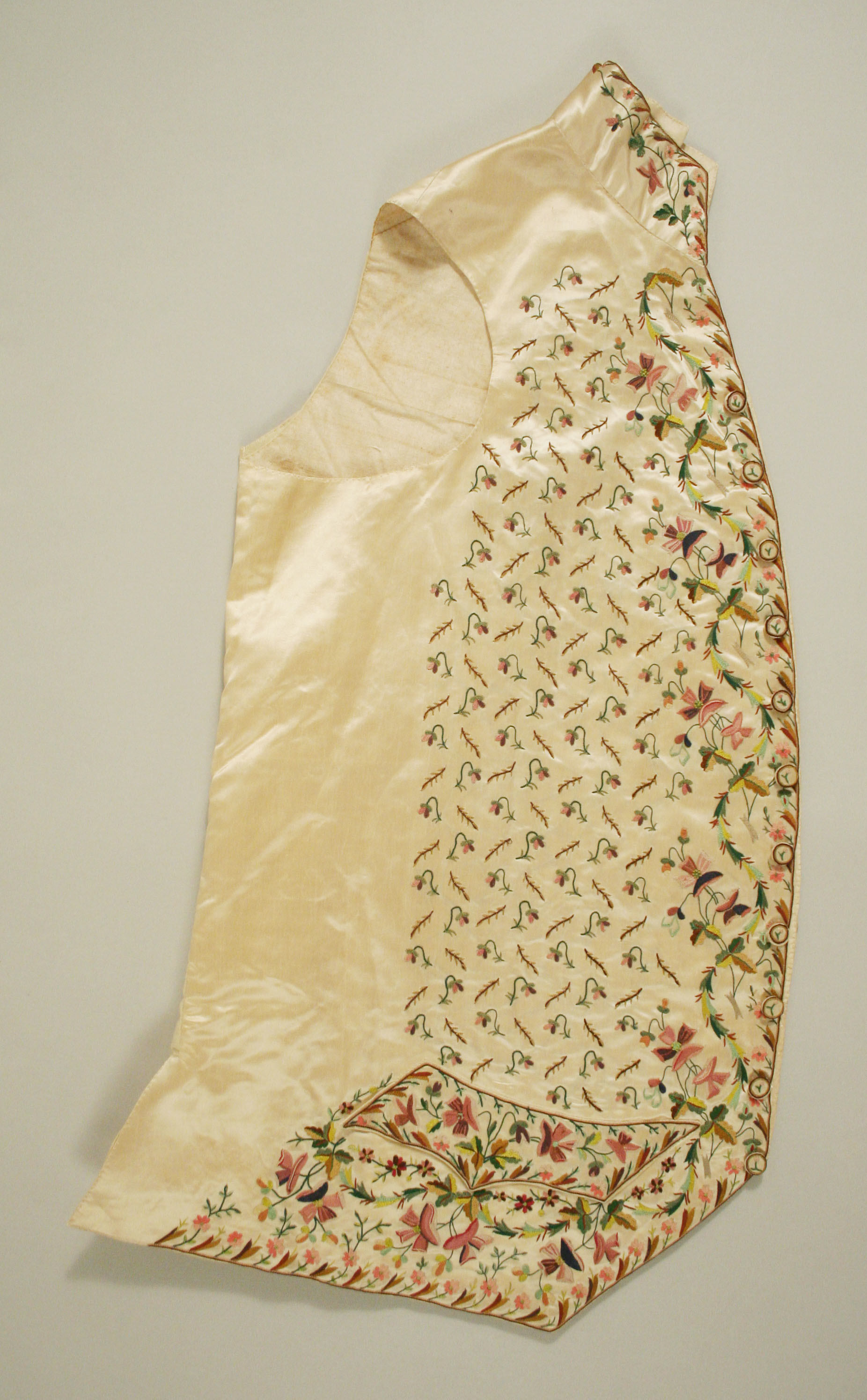
The Architectural Waistcoat: A Study in British Couture at Katherine Fashion Lab
Within the hallowed ateliers of Katherine Fashion Lab, the waistcoat is not merely a garment; it is a manifesto of precision, heritage, and material mastery. As Lead Curator, I am compelled to dissect this singular piece—a standalone study in British tailoring—where the interplay of silk and wool transcends traditional menswear to articulate a new lexicon of form. This analysis examines the waistcoat as an architectural entity, a narrative of national identity, and a testament to the transformative power of couture construction.
Heritage Reimagined: The British Sartorial Code
The British waistcoat, historically a cornerstone of the three-piece suit, has long signified restraint, hierarchy, and gentlemanly decorum. Yet Katherine Fashion Lab’s interpretation eschews the conventional, isolating the waistcoat from its suit companions to command its own narrative. This standalone study honors the lineage of Savile Row—where hand-stitched buttonholes and canvas interfacing are sacrosanct—while injecting a modernist sensibility that challenges the garment’s passive role. The waistcoat becomes an active protagonist, a sculptural element that dialogues with the body rather than merely covering it.
The choice of British origin is deliberate. It evokes the damp tweeds of the Yorkshire moors, the crisp formality of London clubs, and the industrial precision of Manchester’s textile mills. Katherine Fashion Lab amplifies this heritage by selecting materials that speak to both tradition and innovation: silk, the luminous emblem of opulence, and wool, the resilient backbone of British tailoring. Together, they forge a dialectic between fragility and strength, surface and structure.
Material Alchemy: Silk and Wool in Dialogue
The waistcoat’s primary fabric is a double-faced wool—a dense, worsted weave sourced from a historic mill in Huddersfield. This wool provides the garment’s foundational rigidity, its tight twill construction offering a crisp drape that holds form without stiffness. The wool’s natural breathability ensures comfort, while its subtle luster catches light in a manner that suggests quiet authority. It is a fabric that whispers rather than shouts, embodying the understated elegance of British reserve.
Juxtaposed against this wool is an interior lining of pure silk charmeuse, dyed in a deep burgundy that echoes the velvet of Victorian drawing rooms. This silk is not merely decorative; it is structural. The charmeuse’s fluidity allows the waistcoat to glide over the torso, reducing friction and enhancing the garment’s ease of movement. More critically, the silk lining serves as a counterweight to the wool’s rigidity, creating a tension that animates the silhouette. When the wearer turns, the silk catches the eye with a fleeting glint, a secret flourish reserved for the discerning observer.
The interplay extends to the waistcoat’s closure system. The front is secured by six horn buttons, each hand-carved from British cattle horn, their organic striations mirroring the wool’s texture. These buttons are not merely fasteners but tactile anchors, grounding the garment’s fluid silk interior against the wool’s structured exterior. The buttonholes are hand-stitched with silk thread, their tiny, precise loops a testament to the atelier’s commitment to couture-level detail.
Architectural Silhouette: The Standalone Form
This waistcoat is engineered as a standalone piece, its design liberated from the constraints of a jacket. The silhouette is sharply defined: a V-shaped neckline plunges to the sternum, framed by notched lapels that are slightly elongated—a subtle nod to the Edwardian era. The waist is cinched via a single back adjuster, a leather-tabbed buckle that allows the wearer to tailor the garment’s fit to the body’s contours. This adjuster is not hidden; it is exposed, transformed into a functional ornament that celebrates the mechanics of tailoring.
The waistcoat’s length is deliberate: it ends precisely at the hip bone, creating a clean line that elongates the torso. The hem is raw-edged, a deliberate choice that disrupts the traditional finish. This raw edge, left unhemmed, reveals the wool’s cross-section—a subtle deconstruction that invites scrutiny of the fabric’s weave. It is a quiet rebellion against perfection, a reminder that couture is as much about process as product.
The armholes are cut high and narrow, a hallmark of British tailoring that ensures the waistcoat sits close to the body without restricting movement. This construction allows the garment to function as a second skin, its architecture responding to every gesture. When the wearer reaches for a glass or gestures in conversation, the waistcoat moves with them, its wool and silk layers working in concert to maintain its sculptural integrity.
Contextualizing the Standalone Study
In the context of contemporary fashion, where the suit has been democratized and often deconstructed, Katherine Fashion Lab’s waistcoat stands as a counterpoint to the casualization of dress. It is a garment that demands attention, not through ostentation but through precision. The waistcoat is a study in restraint, a meditation on the power of the unadorned line. It invites the wearer to inhabit a space of deliberate elegance, where every detail—from the hand-stitched buttonholes to the exposed back adjuster—is a declaration of craft.
This standalone study also challenges the gendered conventions of the waistcoat. While its construction is rooted in menswear, the garment’s fluid silk lining and cinched waist allow it to adapt to a range of body types. It is not a piece that dictates gender but one that celebrates the individual form, its architecture serving as a canvas for personal expression. The waistcoat becomes a tool for redefining power dressing, offering a silhouette that is both authoritative and intimate.
Conclusion: A Testament to Couture Craft
In isolating the waistcoat from its suit companions, Katherine Fashion Lab elevates it to the status of an independent couture object. The marriage of British wool and silk charmeuse creates a material dialogue that is both tactile and visual, while the architectural silhouette redefines the garment’s relationship with the body. This is not a waistcoat for the faint of heart; it is a piece for the connoisseur, for the individual who understands that true luxury lies in the unseen—the hand-stitched buttonhole, the raw hem, the exposed adjuster.
As Lead Curator, I assert that this waistcoat is a masterclass in the art of tailoring, a standalone study that honors the past while forging a new path. It is a garment that does not simply clothe but commands, a silent testament to the enduring power of British couture at Katherine Fashion Lab.