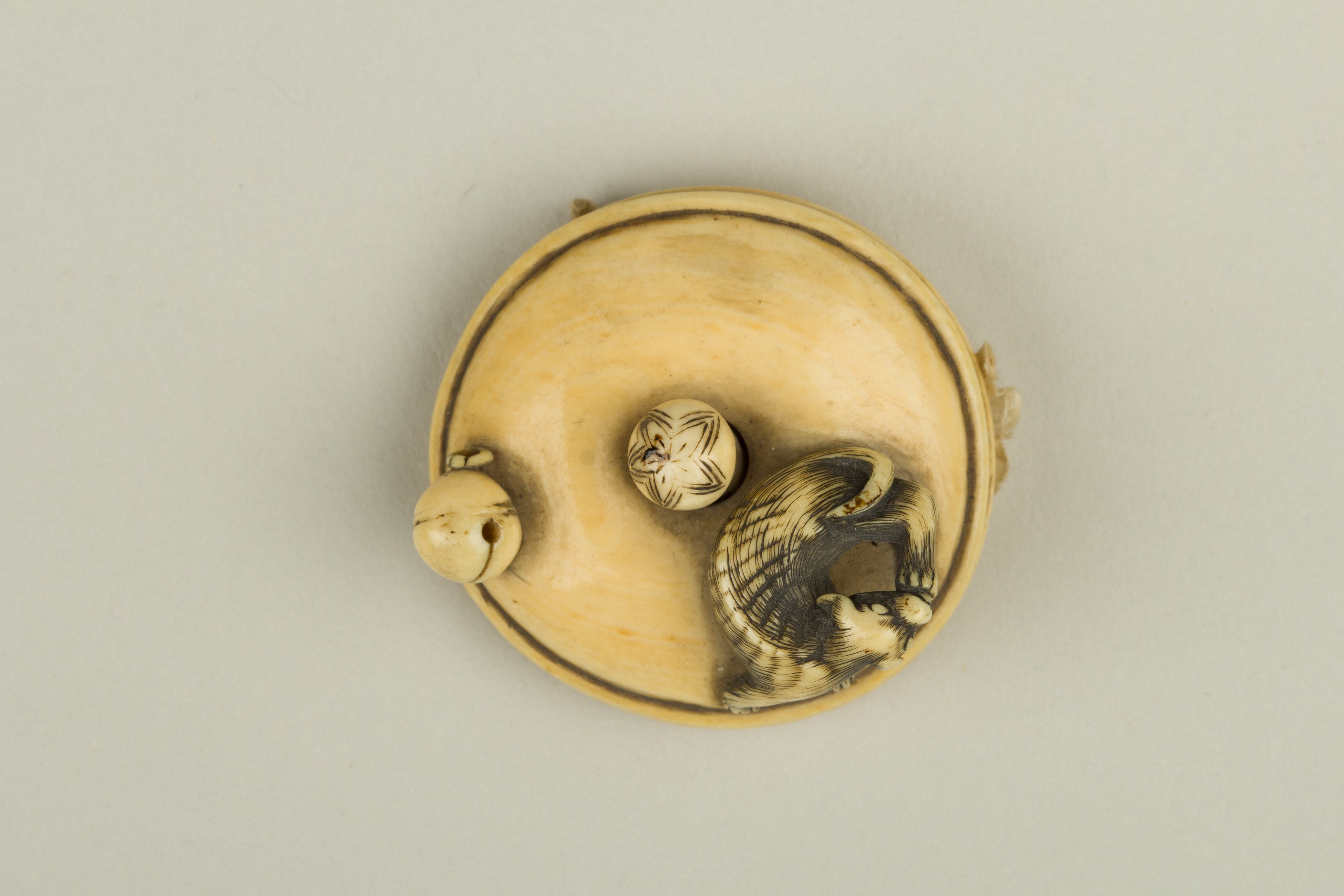
Executive Heritage Analysis: Netsuke as a Catalyst for 2026 Luxury Strategy
This research paper presents a comprehensive heritage analysis of the Japanese netsuke, a diminutive yet profoundly significant object of historical adornment. For Katherine Fashion Lab, the netsuke offers a unique strategic blueprint for the 2026 high-end luxury market. By examining its symbolic power, spiritual meaning, and material legacy—specifically in ivory—we can extract actionable insights for brand narrative, product design, and consumer engagement. The netsuke’s journey from functional toggle to revered art object mirrors the trajectory of true luxury: from utility to icon, from craft to cultural capital.
Historical Adornment: The Netsuke as Functional Sculpture
The netsuke emerged during the Edo period (1603–1868) as a practical solution to a sartorial problem. Traditional Japanese garments, the kimono, lacked pockets. Men suspended personal belongings—tobacco pouches, inrō (seal cases), and purses—from the obi (sash) via a cord. The netsuke, a small carved toggle, prevented the cord from slipping through the sash. This functional origin is critical for luxury strategy: the netsuke demonstrates that the most enduring luxury objects are those that marry impeccable utility with profound aesthetic and symbolic value.
Material and Craft: Ivory as a Signifier of Prestige
Ivory, the primary medium for the finest netsuke, was prized for its density, warmth, and capacity for intricate detail. Master carvers (netsuke-shi) used the material’s natural grain and color to enhance narrative scenes, from mythical beasts to everyday life. The choice of ivory was not arbitrary; it signified access to rare materials, technical mastery, and a deep understanding of organic form. For Katherine Fashion Lab’s 2026 strategy, this underscores the importance of material provenance and ethical stewardship. While ivory is now rightly restricted, the principle of selecting materials with inherent prestige and narrative depth—such as responsibly sourced gemstones, rare woods, or advanced bio-ceramics—remains paramount. The netsuke teaches that luxury is not merely decorative; it is a testament to the maker’s ability to transform a raw substance into a vessel of meaning.
Symbolic Power: The Netsuke as a Code of Identity
Netsuke were far more than fasteners; they were potent symbols of status, taste, and personal philosophy. The motifs carved into these tiny objects communicated complex messages about the wearer. A netsuke depicting a shishi (mythical lion) signified courage and protection. A figure of the god Daikoku, with his mallet and bale of rice, conveyed prosperity and abundance. Animals like the koi fish represented perseverance and ambition, while the humble rat symbolized fertility and resourcefulness.
Symbolism as a Strategic Differentiator
In the 2026 luxury landscape, consumers increasingly seek objects that articulate their values and aspirations. The netsuke model offers a direct precedent: a personal, wearable talisman that communicates without words. For Katherine Fashion Lab, this suggests a strategic pivot toward symbolic customization. Rather than mass-produced logos, the brand could offer a curated collection of symbolic motifs—each with a documented cultural and spiritual lineage—that clients select to encode their own narratives. This transforms the purchase from a transaction into an act of self-definition. The netsuke’s power lies in its compression: a universe of meaning in a palm-sized object. Luxury brands that can replicate this density of symbolism will command premium positioning.
Spiritual Meaning: The Netsuke as a Sacred Object
Beneath its secular functions, the netsuke carried significant spiritual weight. Many motifs were drawn from Shinto and Buddhist iconography. The Seven Gods of Fortune (Shichifukujin) were common subjects, each embodying a blessing: longevity, wealth, happiness, and so on. Netsuke also served as portable amulets, believed to ward off evil spirits or bring good fortune to the wearer. The act of carving itself was often considered a meditative practice, imbuing the object with the artisan’s spiritual focus.
Animism and the Luxury of Intention
The netsuke’s spiritual dimension aligns with the growing consumer demand for mindful luxury. In 2026, high-end clients will prioritize objects that feel intentional, even sacred. The netsuke demonstrates that luxury can be a vessel for spiritual connection—not in a doctrinal sense, but as a reminder of values, protection, and human craftsmanship. Katherine Fashion Lab can integrate this by emphasizing the ritual of selection. Each netsuke-inspired piece could be presented with a narrative card detailing its symbolic meaning and the artisan’s intention. This elevates the product from accessory to artifact, fostering a deeper emotional bond between brand and consumer.
Strategic Application for 2026 High-End Luxury
Translating netsuke heritage into a modern luxury strategy requires a multi-faceted approach. Below are key strategic pillars for Katherine Fashion Lab.
1. The Miniature as a Luxury Format
Netsuke prove that scale does not dictate value. In an era of maximalist branding, the 2026 luxury consumer may be drawn to the power of the small. A limited-edition collection of miniature sculptural toggles—worn as pendants, bag charms, or keychain ornaments—could become a signature category. This format aligns with the trend toward quiet luxury, where discernment is more valuable than display.
2. Narrative-Driven Materiality
Just as ivory netsuke were prized for their material story, Katherine Fashion Lab should source materials with compelling narratives. Consider using reclaimed ancient wood, sustainably harvested tagua nut (vegetable ivory), or recycled precious metals with documented provenance. Each material’s origin becomes part of the product’s symbolic power.
3. The “Talisman” Product Line
Launch a dedicated “Talisman” collection inspired by netsuke iconography. Offer clients a consultation to select motifs that resonate with their personal journey—success, protection, creativity, or resilience. This positions the brand as a curator of meaning, not just a purveyor of goods. In 2026, personalization must be profound, not superficial.
4. Craft as Spiritual Practice
Partner with master carvers or artisans trained in traditional techniques. Document their processes as a form of storytelling. The 2026 luxury consumer will pay a premium for objects that embody time, skill, and intention. The netsuke’s legacy reminds us that the highest luxury is the human hand guided by the spirit.
Conclusion: The Netsuke as a Blueprint for Enduring Value
In the netsuke, we find a microcosm of luxury’s deepest principles: function elevated to art, material transformed into symbol, and the personal imbued with the spiritual. For Katherine Fashion Lab, this heritage analysis provides a rigorous framework for 2026 strategy. By embracing the netsuke’s lessons—compressed meaning, symbolic power, and intentional craft—the brand can create offerings that resonate not merely as fashion, but as heritage-in-the-making. The netsuke’s journey from Edo-era toggle to museum treasure is a testament to the enduring value of objects made with purpose. In 2026, luxury will belong to those who understand that the smallest things often carry the greatest weight.