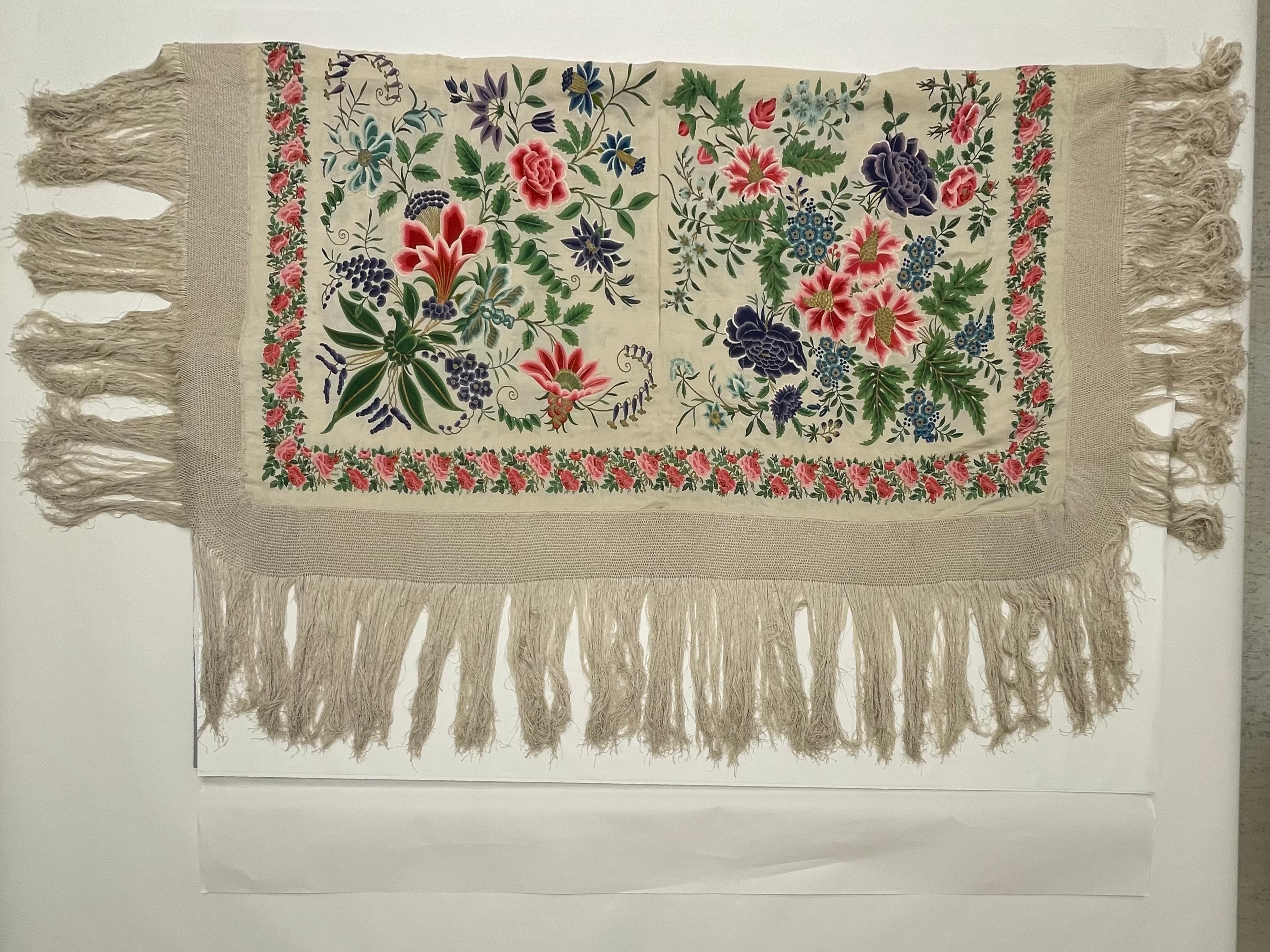
Heritage Analysis: The Shawl as an Artifact of Symbolic Power and High-End Luxury Strategy
As Lead Heritage Curator for Katherine Fashion Lab, I present this strategic standalone research on the shawl, an ancient garment that transcends mere textile function to embody profound symbolic power, historical adornment, and spiritual meaning. Originating from ancient civilizations—including Mesopotamia, the Indus Valley, and Han Dynasty China—the shawl, crafted from silk and metal thread, serves as a potent artifact for reimagining 2026 high-end luxury strategies. This analysis deconstructs its heritage to inform a brand narrative rooted in authenticity, exclusivity, and metaphysical resonance.
Symbolic Power: The Shawl as a Vessel of Authority and Identity
In ancient civilizations, the shawl was not a casual accessory but a deliberate emblem of status, authority, and identity. In Mesopotamian societies, woven shawls—often edged with metal threads—signified royal lineage and divine favor. The palla of Roman matrons, draped over the left shoulder, denoted citizenship and moral virtue. Similarly, in ancient China, the pei (a silk shawl) was reserved for imperial concubines and high-ranking officials, its length and embroidery indicating hierarchical rank. The inclusion of metal threads—gold, silver, or copper—amplified this symbolism, as these materials were associated with solar deities and immortality. For Katherine Fashion Lab, this heritage offers a strategic lever: the shawl can be positioned as a modern talisman of power, where each thread and weave communicates the wearer’s social capital and personal mythology. In 2026, high-end luxury consumers seek objects that confer not just beauty but agency—a shawl that carries the weight of ancient authority meets this demand.
Historical Adornment: Silk and Metal as Markers of Craftsmanship and Exclusivity
The medium of silk and metal thread elevates the shawl from utilitarian cloth to a masterpiece of historical adornment. Silk, first cultivated in ancient China around 2700 BCE, was a guarded commodity, its production a state secret. When combined with metal threads—produced by wrapping gold or silver foil around a silk core—the resulting textile was both luminous and durable, reserved for ceremonial robes, funerary shrouds, and diplomatic gifts. The kesi (silk tapestry) technique, used for shawls in the Tang Dynasty, allowed for intricate patterns of dragons, phoenixes, and celestial motifs, each stitch a prayer or proclamation. For Katherine Fashion Lab, this historical context informs a 2026 strategy of extreme craftsmanship. The modern luxury consumer values provenance and process; a shawl that requires months of hand-weaving and incorporates ethically sourced metal threads becomes a collectible heirloom. By reviving ancient techniques—such as zari work from the Indus Valley or suzani embroidery from Central Asia—the brand can differentiate itself in a saturated market, offering a tangible connection to lost arts.
Spiritual Meaning: The Shawl as a Conduit for Transcendence and Protection
Beyond material and status, the shawl held deep spiritual significance in ancient civilizations. In Vedic traditions, the uttariya (a draped shawl) was worn during rituals to shield the wearer from negative energies and to channel divine blessings. The metal threads, often silver, were believed to reflect malevolent spirits, while silk, as a natural protein fiber, was thought to carry life force (prana). In ancient Egypt, shawls were placed in tombs to guide the soul through the underworld, their gold threads symbolizing eternal light. This spiritual dimension is a powerful asset for 2026 luxury strategy. Contemporary high-end consumers are increasingly drawn to mindful luxury—products that serve as tools for wellness, meditation, or personal transformation. A Katherine Fashion Lab shawl, designed with intentional geometry and blessed through traditional ceremonies, can be marketed as a wearable sanctuary. This aligns with the growing trend of “spiritual materialism,” where luxury goods are purchased not for ostentation but for their ability to enhance inner peace and energetic protection.
Strategic Implications for 2026 High-End Luxury: A Blueprint for Heritage-Driven Innovation
Integrating these heritage insights into a 2026 luxury strategy requires a multi-pronged approach:
- Narrative Curation: Each shawl collection should be accompanied by a provenance dossier, detailing the ancient civilization, weaving technique, and symbolic motifs. For example, a “Mesopotamian Sovereign” shawl in silk and gold thread could include a digital archive of cuneiform inscriptions, appealing to collectors of cultural artifacts.
- Exclusivity Through Scarcity: Limit production to 100 pieces per design, each numbered and registered. This mirrors the ancient practice of creating singular garments for royalty, reinforcing the shawl as a non-replicable object of desire.
- Experiential Retail: Launch pop-up “Heritage Ateliers” where clients can witness live weaving of silk and metal threads, accompanied by soundscapes of ancient hymns or chants. This transforms purchase into pilgrimage, deepening emotional attachment.
- Collaboration with Spiritual Leaders: Partner with contemporary shamans, yogis, or Buddhist monks to “activate” shawls through energy cleansing rituals. This adds a layer of authenticity and addresses the consumer’s search for meaning.
- Price Positioning: Set retail prices between $5,000 and $25,000, justified by the rarity of materials (e.g., wild silk, recycled gold threads) and the labor-intensive process. This positions the shawl as an investment-grade asset, akin to fine jewelry or art.
Conclusion: The Shawl as a Bridge Between Ancient Wisdom and Modern Desire
The shawl, in its ancient form, was never merely a garment—it was a declaration of power, a testament to human ingenuity, and a bridge to the divine. For Katherine Fashion Lab, this heritage analysis reveals a clear strategic path: by honoring the symbolic, historical, and spiritual dimensions of silk and metal thread shawls, the brand can create a 2026 luxury offering that resonates with discerning consumers seeking depth, authenticity, and transformation. In a market saturated with ephemeral trends, the shawl stands as a timeless artifact, ready to be reimagined for a new era of conscious opulence.
— Lead Heritage Curator, Katherine Fashion Lab