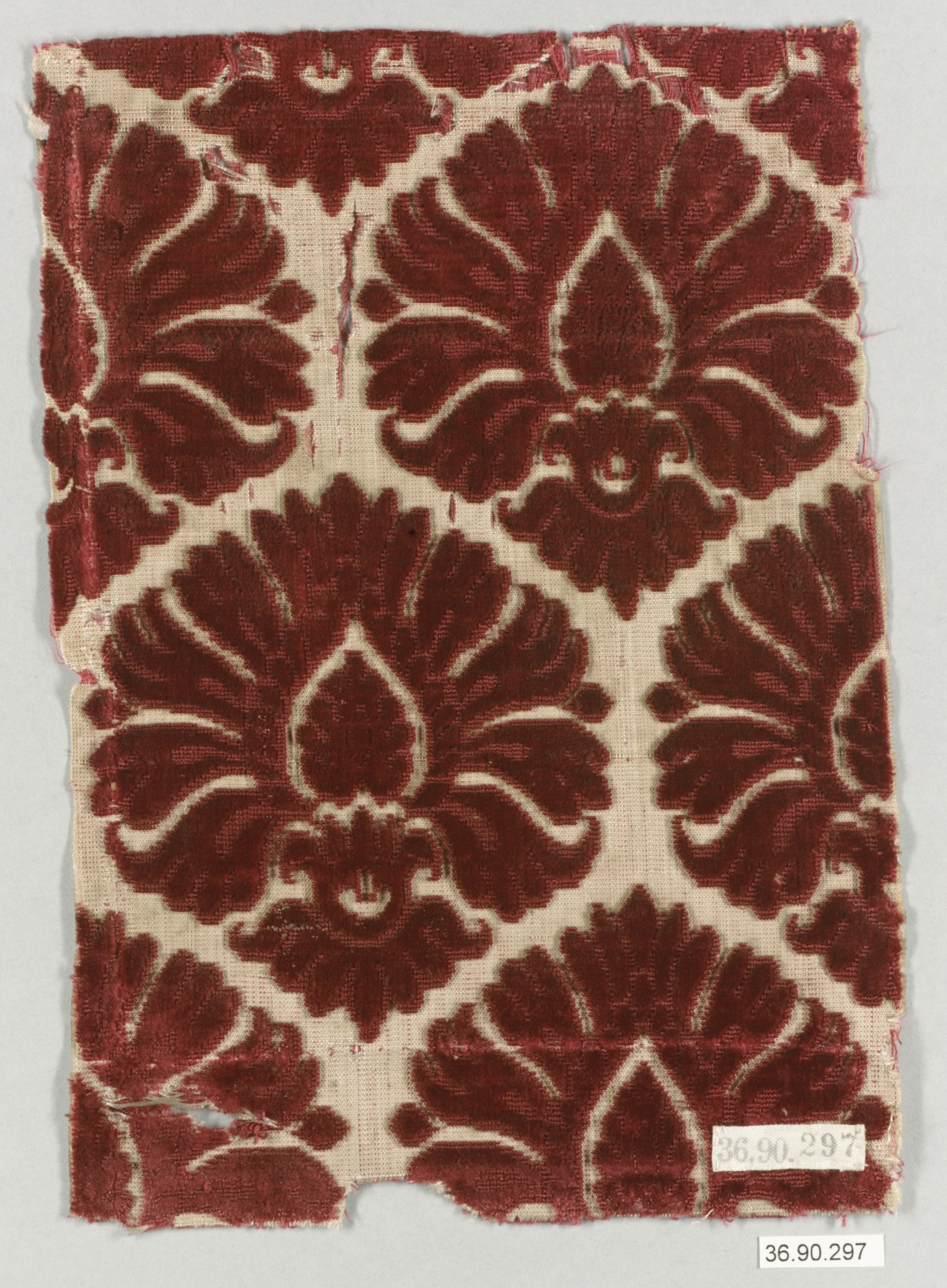
The Art of Global Heritage: A Couture Analysis of Silk as Narrative
In the rarefied world of haute couture, where every stitch is a statement and every fabric a philosophy, Katherine Fashion Lab presents a singular piece that transcends mere garment to become a textile manifesto. This analysis examines a standalone creation—a silk gown that fuses centuries of global craftsmanship with the precision of modern design. The piece is not merely a dress; it is a cartography of heritage, a dialogue between East and West, and a testament to silk’s enduring power as a medium of cultural expression.
Material as Metaphor: Silk’s Historical and Cultural Resonance
Silk, often called the “queen of fibers,” has woven itself into the fabric of human history for over five millennia. Originating in ancient China, where its production was a closely guarded imperial secret, silk traveled along the Silk Road, becoming a currency of diplomacy, art, and status. In this piece, Katherine Fashion Lab harnesses this legacy not as a decorative afterthought but as the foundational narrative. The silk used is a hand-dyed, double-faced charmeuse sourced from a family-run atelier in Como, Italy—a region that has perfected silk weaving since the Renaissance. Yet the dyeing technique, a gradient of indigo and ochre, pays homage to the natural pigments of Central Asian ikat traditions. This deliberate juxtaposition of Italian technical mastery with Eastern chromatic heritage creates a fabric that is both a material and a map.
The weight and drape of the silk are meticulously calibrated. At 22 momme, it offers a liquid fall that mimics the flow of water, while the double-faced construction ensures opacity and structure. This is no mere cloth; it is a third skin that moves with the wearer, capturing light and shadow in equal measure. The choice of silk is not arbitrary—it is a statement on sustainability and longevity. Unlike synthetic alternatives, silk is biodegradable, renewable, and, when sourced ethically, supports artisan communities. Katherine Fashion Lab’s commitment to responsible luxury is embedded in every fiber.
Construction and Silhouette: The Architecture of Heritage
The piece’s silhouette is a study in controlled fluidity. A bias-cut bodice, reminiscent of the 1930s Hollywood glamour, transitions into a sweeping A-line skirt that falls to the floor. This is not a nostalgic pastiche but a reimagining—the bodice features a sculptural, asymmetrical neckline that references the draped chitons of ancient Greece, while the skirt’s side slit, lined with a contrasting silk organza, evokes the layered robes of the Japanese kimono. The seams are finished with a hand-rolled hem, a technique requiring over 40 hours of labor, ensuring that the garment’s interior is as exquisite as its exterior.
Structural integrity is achieved through a hidden internal corset made of cotton twill and whalebone, which provides support without constriction. This allows the silk to skim the body rather than cling, creating a silhouette that is both statuesque and ethereal. The shoulders are left bare, emphasizing the collarbone and neck, while the back dips into a deep V, framed by a single, hand-embroidered lotus motif. This motif, rendered in silk thread and tiny freshwater pearls, is a direct nod to the lotus’s symbolism in Buddhist and Hindu traditions—purity, enlightenment, and rebirth. It is a quiet but potent iconographic anchor.
Color and Embellishment: A Palette of Global Memory
The color gradient of the silk is the piece’s most arresting feature. Starting at the neckline with a pale, sun-bleached ivory, it deepens through shades of saffron, terracotta, and finally into a midnight indigo at the hem. This transition is not random; it mirrors the journey of the sun across the Silk Road, from the dawn of the Mediterranean to the dusk of the Gobi Desert. The dyeing process involves multiple immersion baths using natural madder root, indigo, and pomegranate husk—each color derived from plants that have been used for millennia across Asia and the Middle East. The result is a chromatic narrative that shifts with every movement, creating a living painting.
Embellishment is sparse but deliberate. A single line of antique brass beads traces the seam of the side slit, catching light like scattered stars. The lotus embroidery on the back uses a combination of satin stitch and French knots, with the pearls arranged in a spiral pattern that suggests a vortex of energy. No sequins or synthetic glitter are used; the piece relies on the natural luster of silk and the subtle sheen of organic materials. This restraint is a hallmark of Katherine Fashion Lab’s design philosophy: luxury is not excess but precision.
Context and Standalone Significance: Beyond the Runway
This piece is designed for the discerning collector—the woman who views fashion as a form of cultural archaeology. It is not intended for mass production but as a singular artifact, a wearable heirloom that can be passed down through generations. In a fashion landscape dominated by fast trends and disposable garments, Katherine Fashion Lab’s approach is a radical act of preservation. The piece challenges the viewer to consider the provenance of every thread, the history of every stitch.
From a market perspective, this gown occupies a unique niche. It bridges the gap between haute couture and art installation, appealing to museums, private collectors, and those who seek clothing as a vessel for identity. The use of global heritage materials and techniques positions it as a diplomatic object—a garment that speaks to cross-cultural collaboration and respect. For instance, the silk’s Italian weaving and Central Asian dyeing techniques were developed in consultation with artisans from Uzbekistan and India, ensuring that traditional knowledge is honored and compensated.
The Future of Couture: Silk as a Living Archive
Katherine Fashion Lab’s silk piece is not a conclusion but a provocation. It asks: How can couture serve as a repository for global memory? Can a garment be both a luxury object and an ethical statement? The answer lies in the details—the hand-rolled hem, the natural dyes, the hidden corset, the lotus motif. Each element is a thread in a larger tapestry of human creativity, spanning continents and centuries.
As the fashion industry grapples with issues of sustainability, cultural appropriation, and homogenization, this piece offers a blueprint. It demonstrates that luxury can be rooted in respect rather than extraction, that heritage can be celebrated without being commodified. The gown is, ultimately, a love letter to the artisans who have kept silk alive as a medium of expression—from the silkworm farmers of Zhejiang to the weavers of Como.
In the hands of Katherine Fashion Lab, silk is not just a fabric. It is a text, a testament, and a talisman. And this piece, in its quiet, luminous beauty, invites us to read it.