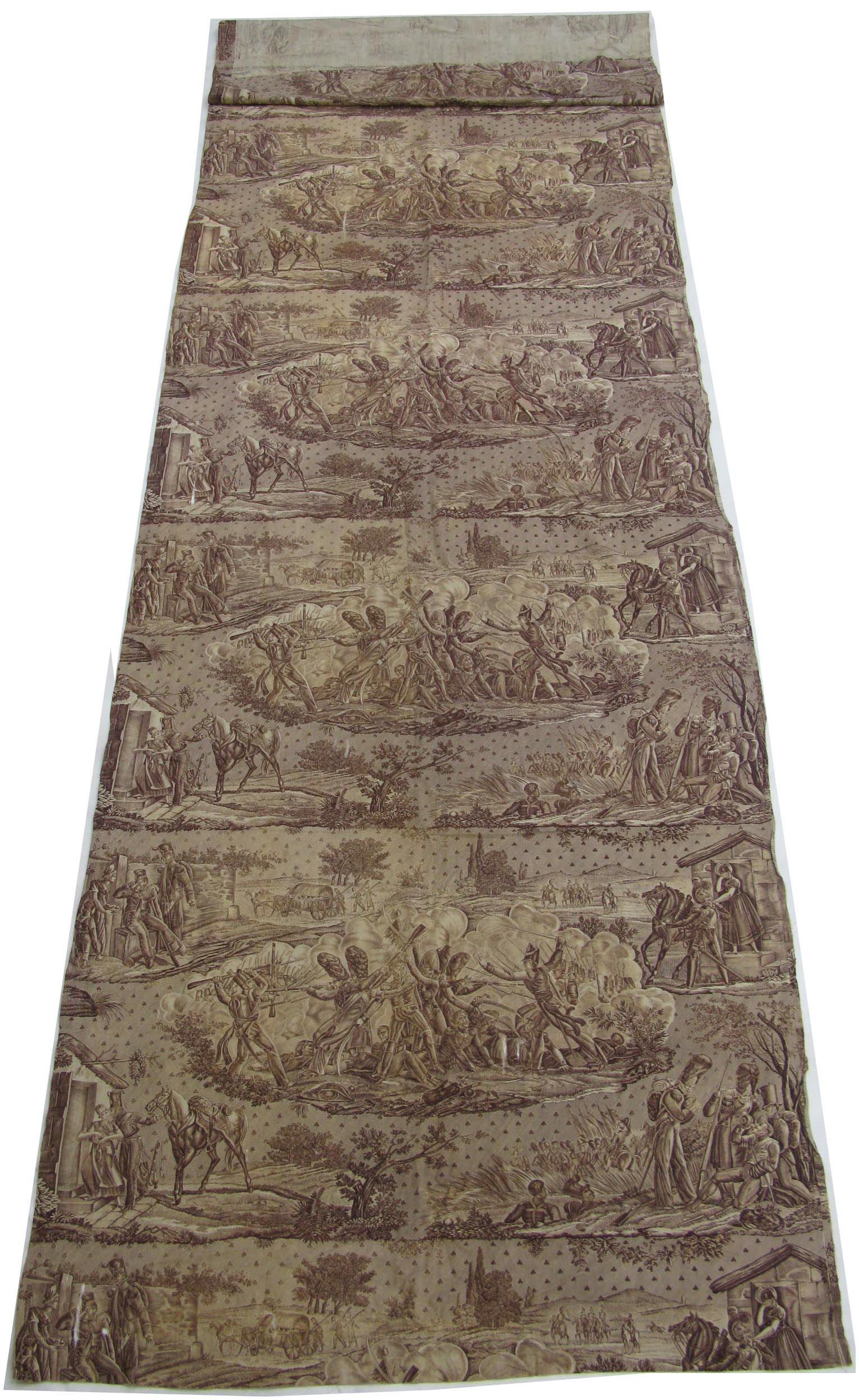
Strategic Heritage Analysis: Military Scenes in Ancient Civilizations on Cotton
This research paper, prepared for Katherine Fashion Lab, presents a strategic heritage analysis of military scenes from ancient civilizations, rendered on cotton. As part of the Lab’s 2026 high-end luxury strategy, this study examines the symbolic power, historical adornment, and spiritual meaning embedded within these martial motifs. By decoding these ancient narratives, we identify actionable pathways for translating their authority into contemporary luxury collections that resonate with discerning global clients.
Symbolic Power: Authority, Order, and the Divine Mandate
In ancient civilizations—from the Assyrian reliefs of Nimrud to the Qin dynasty’s Terracotta Army—military scenes were never mere documentation of conflict. They functioned as potent symbols of centralized authority, cosmic order, and the ruler’s divine mandate. The depiction of a pharaoh smiting enemies on a temple wall or a Persian king reviewing his immortals communicated not only military might but also the sovereign’s role as the earthly embodiment of divine will. This symbolic power was a form of soft power, reinforcing social hierarchies and deterring dissent through visual proclamation.
For Katherine Fashion Lab, translating this symbolic power into 2026 luxury requires a nuanced approach. The imagery must evoke authority without aggression, order without rigidity. Consider abstracted motifs: a stylized chariot wheel, a geometric formation of spears, or a repeating pattern of shields. These elements, when rendered in high-contrast indigo or metallic gold on organic cotton, signal a heritage of leadership and strategic thinking. The luxury client in 2026 seeks garments that confer a sense of inner sovereignty and historical gravitas, not overt militarism. By distilling the essence of command—alignment, symmetry, and directional force—the Lab can create designs that whisper of ancient empires while speaking to modern power dynamics.
Historical Adornment: From Armor to Attire
Historically, military scenes on cotton represent a fascinating intersection of function and adornment. While cotton was not the primary material for armor in most ancient civilizations (linen, leather, and metal dominated), it served as the canvas for ceremonial garments and banners. In the Indus Valley civilization, cotton textiles were dyed with madder and indigo to depict processions of warriors and merchants. In pre-Columbian Andean cultures, cotton tunics (uncus) featured woven military motifs, worn by elite warriors as markers of rank and achievement.
This historical precedent offers a rich design vocabulary for Katherine Fashion Lab. The 2026 collection can reimagine these adornments as wearable artifacts. For instance, a cotton jacquard featuring a repeating pattern of Hittite charioteers or Greek hoplite phalanxes can be used for structured blazers or long coats. The weight and drape of high-thread-count cotton (300-600 count) evoke the heft of ceremonial textiles, while the motifs are rendered in tonal embroidery or debossed prints to maintain a sophisticated, tactile quality. Key pieces might include a cotton trench coat with epaulet-inspired detailing and a hidden row of chariot wheels along the hem, or a cotton shift dress with a belt that mimics a general’s sash. The goal is to reference the precision and discipline of military dress without replicating its literal forms.
Spiritual Meaning: Protection, Sacrifice, and the Afterlife
Beyond politics and adornment, military scenes in ancient civilizations carried profound spiritual meaning. In Egyptian tombs, paintings of the pharaoh’s military campaigns served as protective spells, ensuring the ruler’s safe passage into the afterlife and the continued order of Ma’at (cosmic balance). In Mesoamerican cultures, cotton battle standards were imbued with ritual significance, believed to channel the power of war gods like Huitzilopochtli. The act of weaving these scenes was itself a sacred practice, with the weaver’s intentions woven into the threads.
For the 2026 luxury strategy, Katherine Fashion Lab can harness this spiritual dimension through ritualistic design and storytelling. Each garment can be presented as a talisman, with the military scene acting as a symbol of inner protection and resilience. For example, a cotton scarf or shawl featuring a repeating pattern of Roman legionary standards (signa) can be marketed as a “shield of intention” for the modern leader. The use of natural, undyed cotton or plant-based dyes (like walnut for brown, pomegranate for red) aligns with the spiritual purity of ancient materials. Limited-edition pieces could include a hand-embroidered “battle map” motif on a cotton kimono jacket, with each stitch representing a protective symbol. The Lab’s marketing narrative should emphasize the garment’s role as a personal armor for the soul, connecting the wearer to a lineage of warriors, priests, and artisans who understood the sacred nature of protection.
2026 High-End Luxury Strategy: The Cotton Renaissance
Katherine Fashion Lab’s strategic deployment of ancient military scenes on cotton positions the brand at the forefront of a 2026 luxury landscape defined by authenticity, sustainability, and narrative depth. The choice of cotton is deliberate: it is a democratic fiber with a storied past, elevating it to a luxury status through exceptional quality, ethical sourcing, and artisanal finishing. For 2026, the Lab will focus on three strategic pillars:
- Heritage as Authority: Use military scene motifs to communicate timeless power and strategic intelligence. The designs should appeal to C-suite executives, diplomats, and cultural leaders who value understated influence over flashy logos.
- Craft as Ritual: Partner with master weavers and embroiderers to recreate the spiritual intensity of ancient textile production. Each piece should be numbered and documented, with a certificate of authenticity that traces the motif’s origin and the artisan’s process.
- Material as Message: Source organic, regenerative cotton from heritage regions (e.g., India’s Khadi, Peru’s Pima) to align with the ancient civilizations’ reverence for natural materials. The cotton’s feel—its breathability, weight, and hand—becomes a sensory reminder of durability and grace.
Product categories for the 2026 collection include: Ceremonial Outerwear (cotton velvet blazers with woven military scenes), Power Accessories (cotton scarves, belts, and bags with embossed motifs), and Sacred Loungewear (cotton pajama sets with subtle, all-over patterns for the discerning homebound leader). Pricing should reflect the research and craftsmanship, with entry-level pieces starting at $1,200 and bespoke, hand-embroidered items reaching $15,000.
In conclusion, the heritage analysis of military scenes from ancient civilizations on cotton reveals a rich tapestry of symbolic power, historical adornment, and spiritual meaning. For Katherine Fashion Lab, this is not a nostalgic exercise but a strategic blueprint. By 2026, the Lab will offer garments that are not merely fashionable but authoritative, protective, and transcendent—a cotton armor for the modern soul.