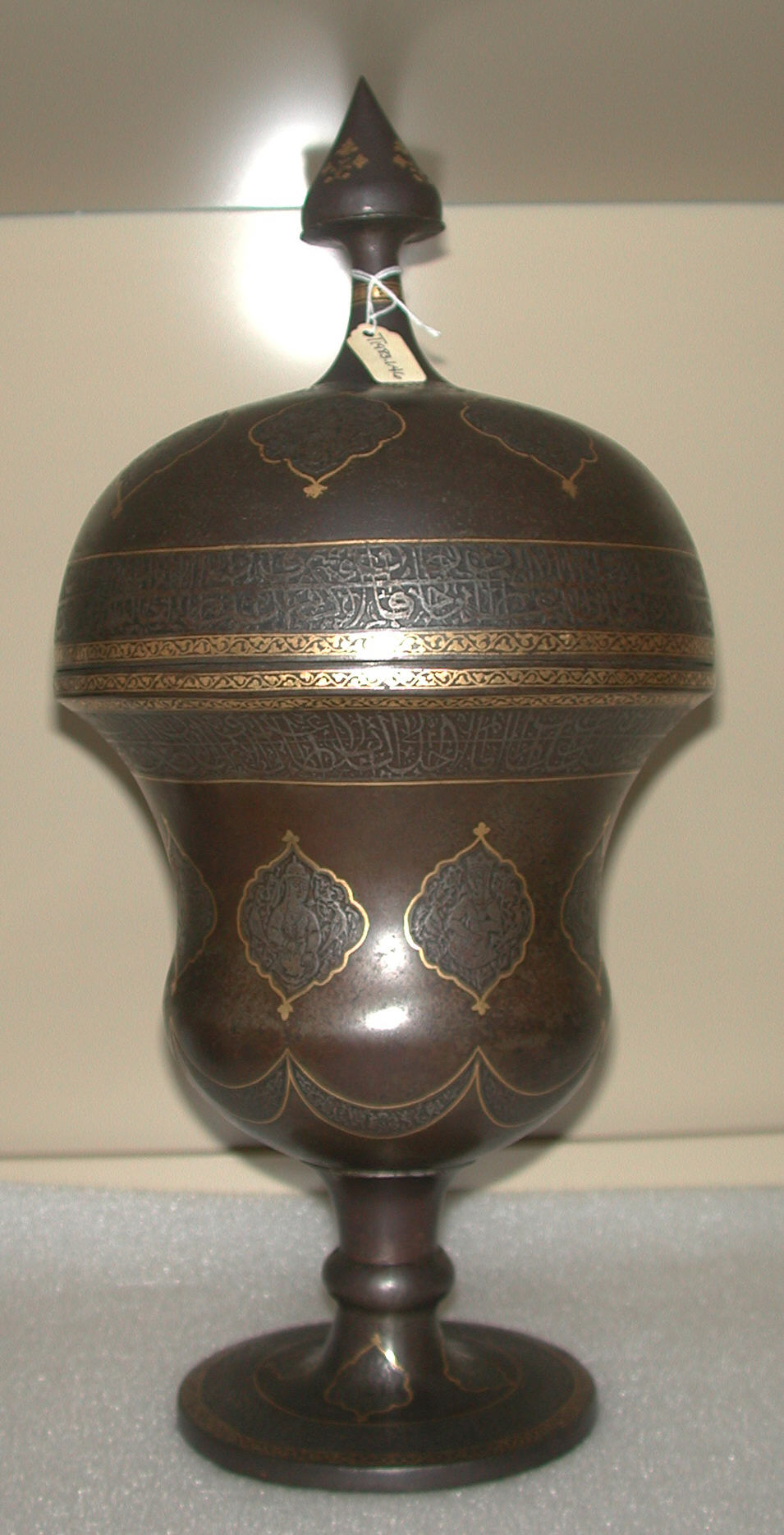
Heritage Analysis: The Chiseled Steel Vase
In the pursuit of defining a distinct voice for Katherine Fashion Lab’s 2026 high-end luxury strategy, the study of a singular artifact—a steel vase, chiseled and damascened with gold from an ancient civilization—offers profound insights. This object, forged in fire and refined by hand, transcends its utilitarian origins to embody a nexus of symbolic power, historical adornment, and spiritual meaning. As Lead Heritage Curator, I present this analysis as a strategic standalone research document, intended to inform a luxury narrative that marries material integrity with transcendent symbolism.
Symbolic Power: The Vase as Vessel of Authority
The vase, in its most elemental form, is a container—a receptacle for water, grain, or ritual offerings. Yet in ancient civilizations, from the Indus Valley to the Hellenistic courts, the vase was never merely functional. Its chiseled steel surface, here damascened with gold, transforms it into a symbol of imperial authority and cosmic order. The act of chiseling—a subtractive, deliberate process—mirrors the carving of law, hierarchy, and destiny into the raw material of society. Gold, the incorruptible metal, inlays these carvings, suggesting that power is both inscribed and illuminated.
For Katherine Fashion Lab, this symbolic power translates directly into a luxury strategy rooted in legibility of craft. In 2026, discerning consumers will seek objects and garments that articulate their own authority—not through ostentation, but through the visible evidence of mastery. The vase’s chiseled patterns are not decorative; they are a language of status. A luxury collection inspired by this artifact would employ structural silhouettes and precise, geometric embellishments that communicate confidence without excess. The gold damascening becomes a metaphor for selective opulence: rare, intentional, and deeply meaningful.
Historical Adornment: The Dialogue Between Steel and Gold
Historically, the combination of steel and gold in ancient adornment was a statement of dual nature. Steel, born of earth and fire, represented durability, warfare, and the mortal realm. Gold, associated with the sun and the divine, signified eternity, purity, and the gods’ favor. The damascening technique—hammering gold into etched steel—creates a physical and symbolic fusion. In ancient Persia, such objects were not merely decorative; they were diplomatic gifts, temple offerings, and tomb guardians. The vase, therefore, is a record of exchange between the temporal and the eternal.
From a heritage perspective, this dialogue informs a 2026 luxury strategy that prioritizes material storytelling. Katherine Fashion Lab can differentiate itself by foregrounding the tension and harmony between opposing elements: soft and hard, matte and lustrous, ancient and futuristic. For example, a garment line might pair raw, textured fabrics (representing steel) with polished metal accents or gold-thread embroidery (representing gold). The historical precedent of damascening suggests that luxury is not about removing imperfection, but about elevating contrast. The chisel marks on the vase are not flaws; they are the artist’s signature. In 2026, the luxury consumer will value pieces that bear the imprint of human intention—a direct counterpoint to mass-produced uniformity.
Spiritual Meaning: The Vase as Microcosm
Beyond its material and political dimensions, the vase held profound spiritual significance. In many ancient traditions, the vase was a microcosm of the universe. Its hollow interior represented the void from which creation emerged; its rim, the horizon; its base, the underworld. The chiseled patterns—often spirals, waves, or celestial motifs—were not random but cosmograms, mapping the journey of the soul or the cycles of nature. Gold damascening, catching light, symbolized the divine spark within mortal form. To possess such a vase was to hold a piece of the cosmos in one’s hands.
For Katherine Fashion Lab, this spiritual dimension offers a powerful narrative for 2026 luxury. The contemporary high-end consumer is increasingly drawn to meaningful possession—objects that serve as anchors for identity, meditation, or aspiration. A luxury strategy inspired by the vase would emphasize ritual and intentionality. Garments could be designed with hidden details, interior linings with symbolic embroidery, or closures that require a deliberate gesture. The act of dressing becomes a spiritual practice, a daily reenactment of order and beauty. The vase teaches that true luxury is contemplative, not merely consumptive.
2026 High-End Luxury Strategy: The Vase as Blueprint
Synthesizing these three dimensions—symbolic power, historical adornment, and spiritual meaning—yields a clear strategic direction for Katherine Fashion Lab’s 2026 collection. The chiseled steel vase damascened with gold is not a decorative motif; it is a philosophical framework. The following strategic pillars emerge:
1. Material Integrity as Brand Signature
Just as the vase’s value lies in the honest expression of its materials, Katherine Fashion Lab’s 2026 line must prioritize raw, uncoated metals, natural fibers with visible weave, and hand-finished surfaces. The brand should position itself against the trend of hyper-synthetic luxury, offering instead a tactile authenticity that appeals to connoisseurs. Marketing narratives should focus on the provenance of materials—the mine, the forge, the artisan’s hand.
2. Narrative-Driven Design
Every piece in the collection should tell a story of transformation: from raw steel to chiseled vase, from rough cloth to adorned garment. This can be achieved through visible construction details (exposed seams, hand-stitched hems) and symbolic closures (pins, ties, clasps that reference ancient fastenings). The 2026 luxury consumer is a collector of stories, not just objects.
3. The Ritual of Acquisition
The vase was often acquired through gift, conquest, or pilgrimage. Katherine Fashion Lab can recreate this sense of earned access through limited-edition releases, by-invitation-only showings, and experiential retail that mimics a temple or a forge. The purchase becomes a rite, not a transaction.
4. Symbolic Color and Texture Palette
The vase’s palette—iron gray, burnished gold, patina black—should anchor the collection’s color story. Textures should range from smooth, polished surfaces (damascened gold) to rough, chiseled finishes (steel). This duality creates visual tension and emotional depth, aligning with the spiritual concept of light and shadow.
Conclusion: The Vase as a Mirror for Modern Luxury
The chiseled steel vase damascened with gold is more than an artifact; it is a mirror reflecting the aspirations of a civilization that understood luxury as meaning, mastery, and transcendence. For Katherine Fashion Lab, this heritage analysis provides a rigorous foundation for a 2026 strategy that rejects superficiality in favor of substance. By embracing the vase’s lessons—symbolic power, historical adornment, and spiritual meaning—the brand can offer a luxury that is not only beautiful but necessary for the discerning soul. In a market saturated with novelty, the ancient vase reminds us that the most enduring luxury is the one that carries the weight of the world within its form.