The Art of Global Heritage: A Couture Analysis of Silk as Narrative Fabric
In the rarefied world of haute couture, where craftsmanship meets cultural storytelling, Katherine Fashion Lab presents a singular piece that transcends mere garment construction. This analysis dissects a standalone study of a silk creation, one that draws its essence from a tapestry of global heritage. The piece is not merely an object of adornment; it is a deliberate dialogue between history, geography, and the artisan’s hand. Silk, as the chosen medium, serves as both a literal and metaphorical thread connecting disparate civilizations, from the ancient trade routes of the Silk Road to the ateliers of modern luxury. Through this lens, we examine how Katherine Fashion Lab elevates silk beyond its tactile luxury into a vessel for cultural synthesis.
Materiality and Memory: Silk as a Conduit of Heritage
Silk, by its very nature, carries a lineage of prestige. Its origins in Neolithic China, later disseminated through the Silk Road, imbue it with a narrative of exchange, power, and artistry. In this piece, the lab has sourced a hand-dyed, 22-momme charmeuse that reflects a meticulous reverence for tradition. The fabric’s weight and drape are not incidental; they are the result of a regenerative sericulture process that respects both the silkworm’s lifecycle and the environment. This choice underscores a commitment to sustainable luxury, where global heritage is not exploited but honored. The silk’s surface, with its subtle iridescence, mimics the shifting light of the Gobi Desert or the shimmer of Venetian canals—a visual nod to the crossroads of cultures that shaped its journey.
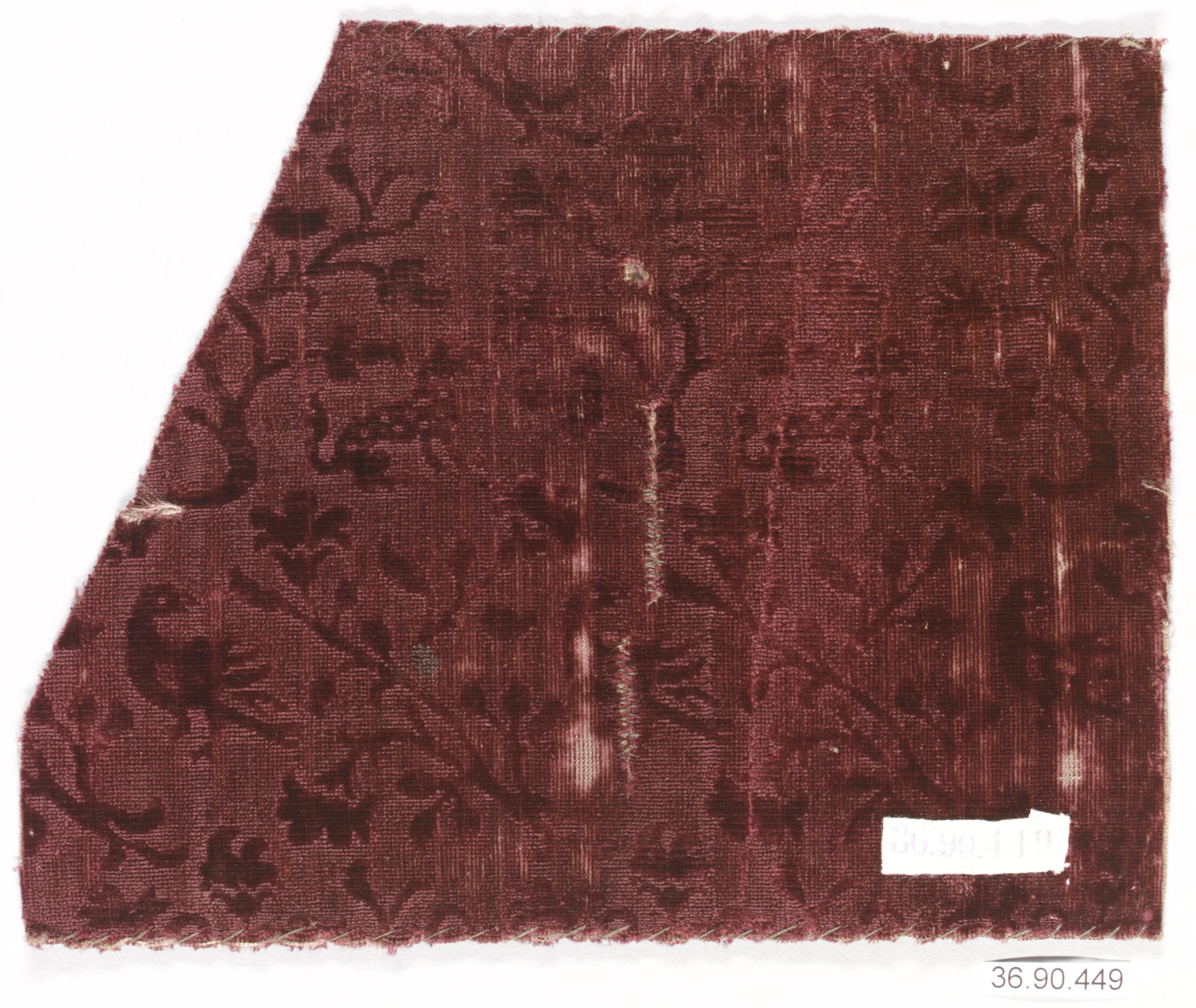
The dyeing process employs natural indigo and madder root, pigments historically traded along the same routes. This is no mere aesthetic decision; it is a deliberate invocation of the alchemy between East and West. The indigo, sourced from India’s Gujarat region, and the madder, from Anatolia, create a deep, resonant burgundy that evokes the richness of Byzantine mosaics and Mughal miniatures. The color is not uniform; it possesses a subtle gradation, a “wabi-sabi” imperfection that speaks to the human touch. In this, the piece rejects industrial uniformity, embracing instead the narrative of impermanence and beauty that defines many global heritage traditions.
Structural Syntax: Deconstructing the Silhouette
The garment’s silhouette is a masterclass in architectural restraint. It is a kimono-inspired cocoon coat, reimagined with a Western tailoring precision. The shoulders are softly structured, avoiding the rigidity of a power suit yet maintaining a defined line. The sleeves, cut on the bias, fall into a “bat wing” shape that allows for fluid movement, reminiscent of the flowing robes of the Tang dynasty or the elegant hanbok of Korea. However, the hemline is asymmetrical—a sharp, diagonal cut that introduces a contemporary edge. This juxtaposition of East and West is not a collision but a conversation; the garment does not appropriate but assimilates, creating a new lexicon of form.
The construction techniques further reveal a global dialogue. The seams are finished with a French seam—a hallmark of Parisian couture—yet the interior is lined with a sashiko-stitched cotton, a Japanese embroidery method originally used for reinforcement. This hidden detail is a testament to the lab’s philosophy: heritage is not for display alone but for structural integrity. The sashiko stitches, in a contrasting ivory thread, form a pattern of interlocking circles, symbolizing infinity and connection—a subtle nod to the endless exchange of ideas across borders. The piece is assembled without a single visible snap or button, relying instead on a hidden silk cord at the waist, reminiscent of the obi of a kimono. This choice emphasizes the garment’s fluidity, allowing the wearer to adjust its drape, thus personalizing the heritage narrative.
Cultural Cartography: Mapping Global Influences
To label this piece as merely “fusion” would be reductive. It is, instead, a cartography of cultural motifs, each element carefully curated to avoid tokenism. The silk’s surface is embroidered with a motif that blends the Persian paisley with the Chinese shou character for longevity. The paisley, a teardrop shape originating in ancient Persia and later adopted by Indian and European textile traditions, is rendered in a metallic gold thread—a nod to the opulence of Safavid court robes. Yet, the motif is not repeated in a rigid pattern; it is scattered organically, as if blown by the winds of the Silk Road. Interspersed are tiny, hand-embroidered cranes, a symbol of peace in East Asian art, their wings subtly overlapping the paisley. This layering is deliberate; it suggests that heritage is not a series of isolated traditions but a continuous, interwoven narrative.
The embroidery technique itself is a global hybrid. The lab employs zardozi, a Persian-influenced metal embroidery, alongside Kantha running stitches from Bengal. The gold thread is not machine-spun but hand-twisted by artisans in Varanasi, while the Kantha stitches are applied by a collective of women in Kolkata. This collaboration respects the economic and cultural contexts of these traditions, ensuring that the piece is not a colonial extraction but a partnership. The result is a fabric that feels almost three-dimensional, with raised textures that invite touch—a sensory bridge between the tactile heritage of South Asian embroidery and the visual opulence of Central Asian design.
Philosophical Resonance: The Standalone Study as a Manifesto
This piece is presented as a standalone study, meaning it exists outside the constraints of a seasonal collection or commercial imperative. This context elevates it to a manifesto for the role of couture in a globalized world. In an era of fast fashion and cultural appropriation, Katherine Fashion Lab positions this garment as a counter-narrative. It is not a “fusion” that dilutes heritage but a synthesis that respects the integrity of each source. The silk, with its inherent fragility and strength, becomes a metaphor for the delicate balance required to honor global traditions without commodifying them.
The piece also challenges the Western-centric canon of couture. Historically, haute couture has been defined by Parisian ateliers, with silk often reduced to a symbol of European luxury. Here, the silk is reclaimed as a global material, its history written by Chinese weavers, Indian dyers, and Persian embroiderers. The garment’s silhouette, while referencing a kimono, is not a replica; it is a reinterpretation that acknowledges the kimono’s own evolution through centuries of cross-cultural influence. This is not appropriation but appreciation—a term often overused but here demonstrated through the lab’s transparent sourcing and collaboration with heritage artisans.
Conclusion: The Future of Heritage in Couture
Katherine Fashion Lab’s silk creation is a testament to the power of couture as a form of cultural diplomacy. It does not seek to represent any single tradition but to illuminate the interconnectedness of global heritage. In its drape, dye, and stitch, it tells a story of exchange, resilience, and artistry. For the discerning wearer, this piece is not a costume but a companion—a garment that carries the weight of history while offering the lightness of possibility. As the fashion industry grapples with questions of identity and sustainability, this standalone study offers a blueprint: honor the past, collaborate with the present, and design for a future where heritage is not a relic but a living, breathing dialogue.
In the end, the silk is not just a material; it is a witness to centuries of human connection. And in the hands of Katherine Fashion Lab, it becomes a vessel for a new narrative—one that is as global as it is personal, as ancient as it is avant-garde.