Heritage Analysis: The Cowrie Shell as a Strategic Asset for Katherine Fashion Lab
Introduction: The Cowrie Shell as a Universal Symbol of Power and Prosperity
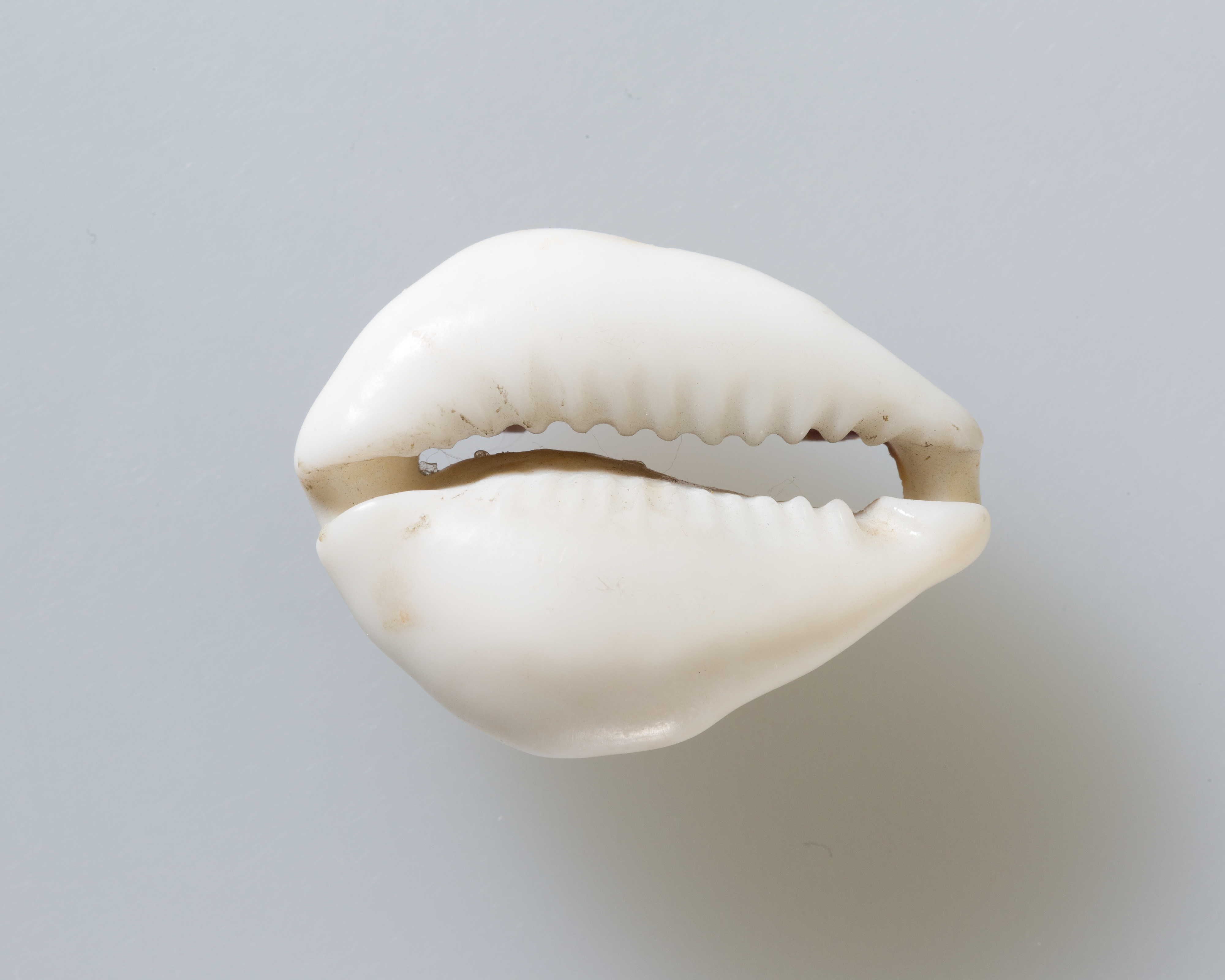
The cowrie shell, scientifically classified under the Cypraeidae family, represents one of the most enduring and cross-cultural symbols in human history. For millennia, this small, porcelain-like marine shell has transcended its biological origins to become a potent emblem of wealth, fertility, spiritual protection, and social status across ancient civilizations in Africa, Asia, the Pacific Islands, and the Americas. At Katherine Fashion Lab, we recognize that the cowrie shell is not merely a decorative artifact but a strategic heritage asset—a narrative vehicle capable of bridging ancestral wisdom with contemporary luxury. This research paper examines the symbolic power, historical adornment practices, and spiritual meanings of the cowrie shell, and proposes a high-end luxury strategy for 2026 that leverages its profound cultural resonance.
Symbolic Power: Wealth, Fertility, and Divine Protection
The cowrie shell’s symbolic power is rooted in its unique morphology. Its smooth, glossy exterior and ventral aperture resembling a slit or mouth have historically been interpreted as a symbol of the vulva, the womb, and the feminine principle of creation. In ancient African societies, particularly among the Yoruba, Igbo, and Akan peoples, cowrie shells were directly associated with the goddess of wealth and fertility, Olokun or Yemoja. They were used as currency, ritual offerings, and talismans to invoke abundance and protection. The shell’s association with water—the source of life—further reinforced its spiritual potency.
In ancient China, cowrie shells (known as “bei”) were among the earliest forms of currency, dating back to the Shang Dynasty (1600–1046 BCE). Their use as money imbued them with an inherent power to command resources and signify status. Similarly, in the Indus Valley Civilization, cowrie shells were found in burial sites, suggesting their role as grave goods to ensure prosperity in the afterlife. This dual function—as both economic medium and spiritual conduit—positions the cowrie shell as a uniquely versatile symbol of material and metaphysical wealth.
For Katherine Fashion Lab, this symbolic depth offers a rich foundation for brand storytelling. The cowrie shell is not a passive ornament; it is an active signifier of transformation, fertility, and divine favor. In a luxury context, it communicates that the wearer is not merely adorned but empowered—a custodian of ancient prosperity codes.
Historical Adornment: From Royal Regalia to Trade Commodity
Historically, cowrie shells were integrated into adornment practices across a vast geographic and temporal range. In West Africa, they were meticulously sewn onto royal garments, headdresses, and ceremonial masks, creating intricate patterns that denoted rank and lineage. The shells’ uniform size and natural luster made them ideal for embroidery, while their clinking sound during movement was believed to ward off evil spirits. The Benin Kingdom’s bronze plaques depict Oba (kings) adorned with cowrie-studded regalia, underscoring the shell’s role as a marker of supreme authority.
In the Pacific Islands, particularly in Papua New Guinea and Fiji, cowrie shells were fashioned into necklaces, armbands, and forehead ornaments. They were often combined with other organic materials such as seeds, feathers, and bone to create composite pieces that encoded genealogical histories. The shells’ use in bride-price ceremonies, known as “dowry” or “lobola,” further cemented their association with life-cycle transitions and social contracts.
The cowrie shell’s journey from local adornment to global trade commodity is equally significant. From the 15th century onward, European colonial powers, especially the Portuguese and Dutch, exploited cowrie shells as currency in the transatlantic slave trade. Millions of shells were harvested in the Maldives and shipped to West Africa, where they were exchanged for enslaved people and gold. This dark chapter complicates the shell’s narrative, but also underscores its immense perceived value—a value so great that it could move entire economies.
For Katherine Fashion Lab, this history demands a nuanced approach. The cowrie shell’s legacy includes both sacred beauty and colonial exploitation. A responsible luxury strategy must acknowledge this duality, honoring the shell’s indigenous origins while rejecting its commodification as a tool of oppression. This ethical positioning will resonate with discerning consumers who seek authenticity and reparative narratives.
Spiritual Meaning: The Shell as a Vessel for Ancestral Energy
Across ancient civilizations, the cowrie shell was believed to possess inherent spiritual agency. In Yoruba cosmology, cowries are central to the Ifá divination system, where they are cast to communicate with the Orishas (deities). The patterns formed by the shells’ openings are interpreted by priests (Babalawos) to reveal divine messages. This practice imbues the shell with a living, oracular quality—it is not merely a symbol but a medium for transcendent knowledge.
In ancient Egypt, cowrie shells were placed on the eyes of mummies to guide the soul through the underworld, reflecting their role as protectors of the dead. Similarly, in the Mediterranean, cowrie shells were worn as amulets against the “evil eye,” their glossy surface thought to reflect malevolent gazes. The shell’s natural shape, reminiscent of a closed fist or a protective barrier, reinforced this apotropaic function.
Modern spiritual practitioners continue to use cowrie shells in rituals for prosperity, fertility, and protection. The shell’s ability to hold energy—both through physical handling and symbolic association—makes it a powerful tool for intention-setting. For a luxury brand, this spiritual dimension offers a unique opportunity to position the cowrie shell not just as a decorative element, but as a talisman—a wearable object of personal transformation.
2026 High-End Luxury Strategy: The Cowrie Shell as a Code of Conscious Opulence
As Katherine Fashion Lab looks toward 2026, the cowrie shell presents a strategic opportunity to differentiate within the saturated luxury market. The contemporary luxury consumer is increasingly drawn to brands that offer narrative depth, cultural integrity, and sustainable sourcing. The cowrie shell aligns perfectly with these values, provided it is positioned with sophistication and respect.
Strategic Pillar 1: Cultural Custodianship and Ethical Sourcing
Katherine Fashion Lab will establish direct partnerships with artisan cooperatives in West Africa and the Pacific Islands, ensuring that cowrie shells are ethically harvested and that traditional craftsmanship is compensated and celebrated. Each shell will be traceable to its origin, with a digital provenance certificate that honors the community and lineage from which it came. This transforms the shell from a raw material into a story of cultural preservation.
Strategic Pillar 2: Symbolic Layering in Design
The 2026 collection, tentatively titled “Oracular Threads,” will integrate cowrie shells into high-end ready-to-wear and accessories using techniques that echo historical adornment: hand-embroidery, wire wrapping, and filigree. Design motifs will reference the shell’s divinatory patterns—three shells, five shells, or seven shells arranged to evoke specific spiritual meanings. This symbolic coding adds intellectual value, appealing to clients who seek jewelry and garments that function as personal talismans.
Strategic Pillar 3: Experiential Branding and Ritual
Katherine Fashion Lab will launch an exclusive “Cowrie Consecration” service for clients, where each piece is blessed or charged with intention by a cultural practitioner (with full consent and collaboration). This elevates the purchase from a transaction to a rite of passage. Limited-edition pieces will be released during lunar phases or solstices, aligning with the shell’s celestial and water associations.
Strategic Pillar 4: Price Positioning and Exclusivity
To maintain high-end exclusivity, cowrie shell pieces will be priced at a premium, reflecting the labor-intensive craftsmanship and the shell’s historical value as currency. No single design will be reproduced beyond a limited run of 50 units. This scarcity mirrors the shell’s original role as a rare and valuable medium.
Conclusion: The Cowrie Shell as a Living Heritage Code
The cowrie shell is far more than a decorative fossil. It is a repository of human aspiration—a symbol of wealth, a conduit for the divine, and a marker of identity across millennia. For Katherine Fashion Lab, integrating this heritage into a 2026 luxury strategy is not an act of appropriation but of elevation. By honoring the shell’s origins, acknowledging its complex history, and reimagining its spiritual power, the brand can offer clients a form of adornment that is both deeply personal and universally resonant. In doing so, Katherine Fashion Lab positions itself not merely as a purveyor of luxury, but as a curator of meaning.