The Alchemy of Currency: Deconstructing Copper as Couture in Katherine Fashion Lab's "Coin" Study
In the rarefied echelons of haute couture, where fabric is often the undisputed sovereign, Katherine Fashion Lab has executed a radical departure. Their latest standalone study, simply titled "Coin," elevates a humble material—copper—from the realm of utility into a profound statement of global heritage and sartorial alchemy. This is not a collection in the traditional sense; it is a thesis, a forensic examination of how a single element, historically synonymous with trade, value, and transmission, can be re-coded as a medium of personal and cultural expression. The Lab’s analysis posits copper not as a mere metal, but as a narrative thread connecting ancient civilizations to the avant-garde silhouette.
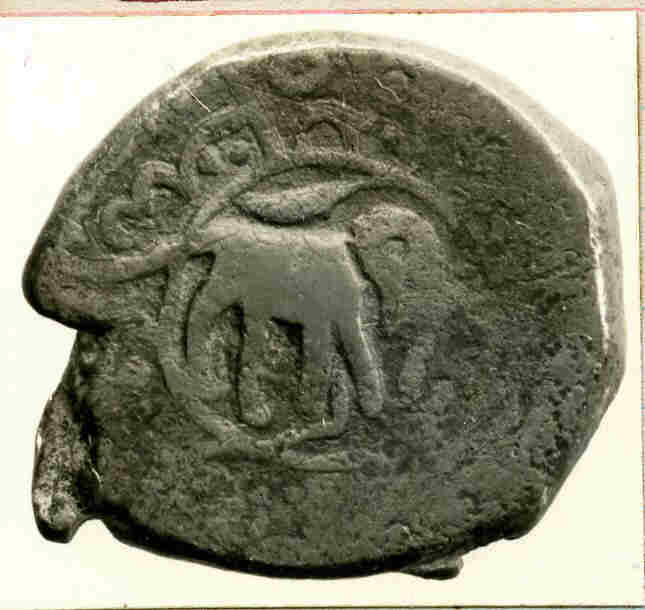
The genesis of "Coin" lies in a deceptively simple question: What happens when the currency of empire becomes the currency of the body? For centuries, copper coins have been the silent witnesses to human exchange—from the Roman as to the Chinese cash and the Indian paisa. Katherine Fashion Lab’s curatorial team has meticulously studied these artifacts, not for their numismatic value, but for their symbolic weight. The material's inherent warmth, its capacity to patina over time, and its acoustic resonance when struck, are all treated as design parameters. This is a study in material anthropology, where the object is both the inspiration and the medium.
Materiality and Patina: The Story of Surface
The analysis begins with a deep dive into copper’s unique physicality. Unlike the cold perfection of silver or the weight of gold, copper offers a dynamic, living surface. In the "Coin" study, this is exploited through a process of controlled oxidation and hammered texturing. The Lab’s artisans have developed a proprietary technique to mimic the wear patterns of centuries-old coins—the subtle flattening of a profile, the gentle erosion of an inscription. Each garment or accessory in the study is treated as a single, precious artifact.
Consider, for instance, a sculpted bodice composed of hundreds of hand-cut copper discs, each individually patinated to a different verdigris or russet tone. The effect is not that of armor, but of a living mosaic, a map of time itself. The weight of the copper is a deliberate design choice. It grounds the wearer, offering a tactile reminder of history’s burden. Yet, the Lab has ingeniously addressed the ergonomic challenge by integrating fine copper mesh into underlayers, allowing for a fluidity that contradicts the metal’s rigidity. The result is a paradox: strength that moves.
Global Heritage: A Cartography of Value
The "Coin" study is not a monolithic tribute to any single culture; it is a global cartography. Katherine Fashion Lab has drawn from a rich tapestry of numismatic traditions to inform its silhouette and construction. Three distinct heritage vectors emerge:
The Roman Denarius Influence: The clean, profile-based imagery of Roman coinage is translated into sharp, architectural lapels and structural shoulders. A copper chainmail gown, for example, features a neckline that echoes the serrated edge of a denarius, while the hem is weighted with tiny, coin-shaped pendants that clink with a soft, percussive rhythm. This is a nod to the empire’s logistical mastery, now reimagined as a wearable system of power.
The Chinese Cash Coin Aesthetic: The square-holed, round form of the Chinese cash coin is a recurring motif. It appears as a cut-out detail in leather-like copper panels, or as a repeated pattern in a laser-perforated copper organza. The hole—the void—is as significant as the metal. It represents the space for circulation, for the passage of thread or ribbon, and metaphorically, for the flow of energy and commerce. A dramatic cape utilizes this motif, with hundreds of square voids allowing light to dapple the wearer’s skin.
The Indian Paisa and Temple Coin Legacy: From the Indian subcontinent, the study borrows the intricate, often devotional, iconography found on temple coins. This manifests in repoussé work—copper sheets hammered from the reverse to create low-relief patterns of floral and geometric designs. A floor-length skirt, seemingly solid copper, is revealed to be a flexible assembly of these repoussé panels, linked by fine copper rings. The visual density of the ornamentation speaks to a heritage of craftsmanship, where value is inscribed through labor.
Construction and Couture Technique: The Metallurgist’s Atelier
To realize the "Coin" vision, Katherine Fashion Lab has effectively merged a couture atelier with a metallurgy workshop. The standard tools of the seamstress—needles, thread, shears—are augmented by jeweler’s torches, hydraulic presses, and chemical baths. The construction process is as much a performance of skill as the final garment.
The key technical innovation is the development of a copper "fabric" that is both malleable and structurally sound. This is achieved through two primary methods:
- Chainmail Construction: Thousands of individually stamped copper rings are linked by hand, a process that takes weeks for a single piece. The resulting textile has a liquid, metallic drape. The weight is considerable, but the distribution is meticulously balanced. A jacket in this technique feels like a second skin of armor.
- Layered Patination: Each copper element is subjected to a controlled chemical patina—using vinegar, ammonia, and salt solutions—to achieve a specific color range. No two pieces are identical. The patina is then sealed with a micro-wax coating to preserve the finish while allowing the metal to breathe. This creates a living garment that will continue to evolve with the wearer, developing unique marks over time.
The joining of copper to other materials is also revolutionary. The Lab has engineered a copper-infused silk organza, where copper threads are woven into the warp and weft, creating a shimmering, conductive textile. This is used for overlays and linings, allowing the metal to interact with the body without direct contact. The acoustic dimension is deliberate: the rustle of the organza, the soft chime of the chainmail, the dull thud of a hammered panel—all contribute to the sensory experience of the coin.
Silhouette and Wearability: The Body as Mint
The silhouette of the "Coin" study is both sculptural and pragmatic. It rejects the overtly theatrical in favor of a refined architecture. The body becomes a mint, a site where value is stamped and displayed. Key shapes include:
- The Torso Coin: A structured, short jacket with a single, oversized coin motif—perhaps a stylized profile—embossed on the back. The closure is a series of smaller, functional copper buttons, each a miniature coin.
- The Currency Train: A floor-sweeping skirt that opens at the front to reveal a copper chainmail underskirt. The train itself is composed of overlapping, patinated copper scales, evoking the stacked coins of a treasure hoard.
- The Pocket of Value: A recurring detail is the deliberate, oversized pocket, lined with copper mesh. It is a literal and metaphorical space for holding one’s wealth, whether material or symbolic.
Wearability is not sacrificed for concept. The Lab has designed each piece with a modularity that allows for adaptation. A copper bodice can be worn over a silk blouse, or alone. The chainmail pieces are lined with a soft, breathable cotton to prevent skin irritation. The patina is treated to be colorfast against light perspiration, though the pieces are intended for limited, high-impact wear—a gala, a private viewing, a performance. They are objects of contemplation as much as dress.
Conclusion: The Currency of Identity
Katherine Fashion Lab’s "Coin" study is a masterclass in conceptual couture. It takes a material of universal, yet overlooked, significance—copper—and elevates it to a language of global heritage. By deconstructing the coin, the Lab reconstructs the body as a site of historical and personal value. The patina is not a flaw; it is a biography. The weight is not a burden; it is a presence.
This is not fashion for the faint of heart. It is a standalone study that demands a reevaluation of what clothing can be—a wearable artifact, a tactile archive, a statement of alchemical transformation. In the hands of Katherine Fashion Lab, copper is no longer just a metal. It is the currency of identity itself. The "Coin" study reminds us that the most profound couture is not about covering the body, but about revealing the stories it carries. And in this case, those stories are forged in copper, stamped with heritage, and polished to a brilliant, evolving sheen.