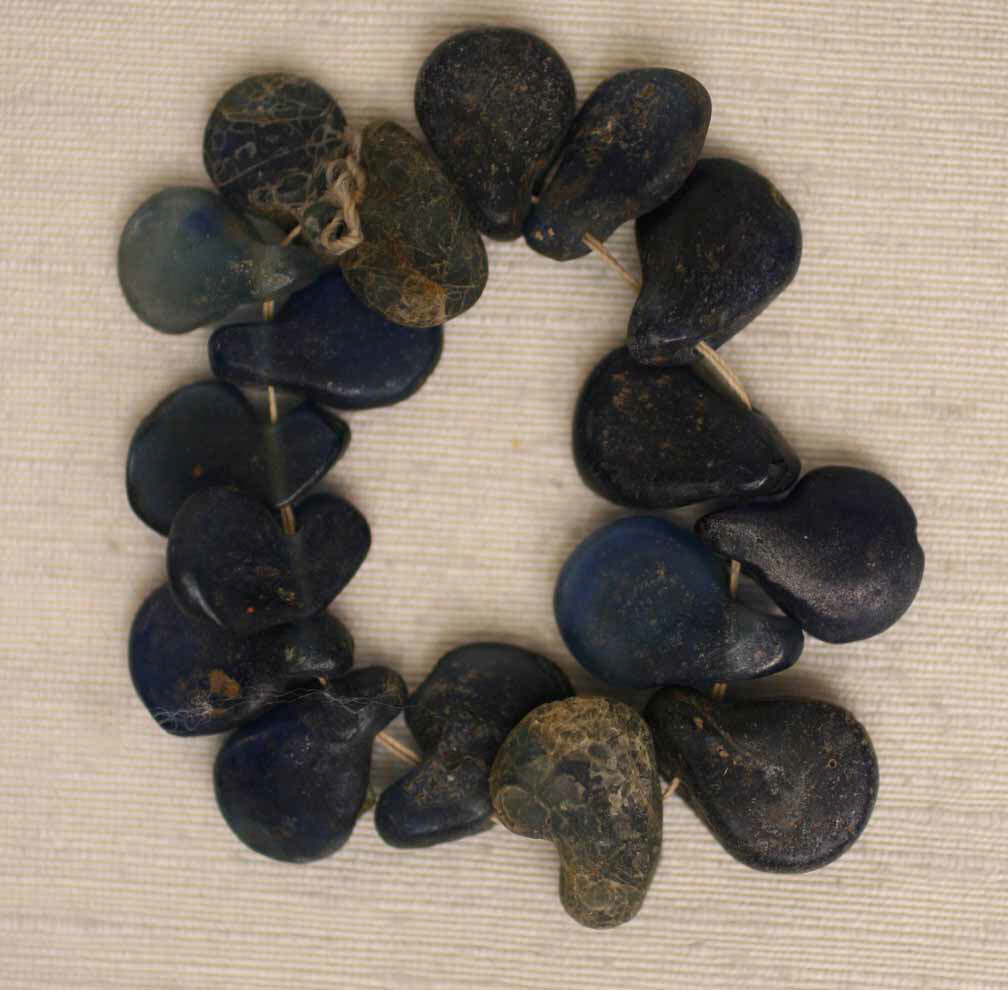
Executive Summary: The Pendant as a Vessel of Power
For Katherine Fashion Lab, heritage is not a static archive but a dynamic, strategic resource. This analysis examines the glass pendant, an object of profound historical significance, through the dual lenses of cultural anthropology and luxury brand strategy. Originating in the sophisticated ateliers of ancient civilizations—from the amulet workshops of Mesopotamia to the imperial glasshouses of Rome—the glass pendant transcends mere ornament. It served as a concentrated locus of symbolic power, spiritual meaning, and social identity. By deconstructing its historical narrative, we identify core value pillars: talismanic protection, status codification, and the alchemy of material transformation. These pillars directly inform a forward-looking strategy for 2026, positioning Katherine Fashion Lab to launch a standalone pendant collection that redefines contemporary luxury as wearable heritage with a conscious, metaphysical edge.
Historical & Cultural Analysis: The Amulet and the Adornment
The genesis of the pendant lies in the primordial human urge to externalize belief and identity. In ancient civilizations, where the material and spiritual worlds were intimately intertwined, pendants were rarely decorative first. They were functional spiritual technology.
Symbolic Power and Spiritual Meaning
Glass, in antiquity, was a substance of near-magical properties. Its creation—transforming sand and alkali through fire into a luminous, solid liquid—mirrored divine acts of creation. For the Egyptians, glass amulets in the form of the wedjat (Eye of Horus) or the djed pillar (stability) were not symbols but active vessels containing the deity's power, worn to channel protection and vitality into the wearer’s body. In Mesopotamia, cylinder seals, often worn as pendants, combined administrative function with apotropaic magic, their intricate carvings warding off evil while authenticating identity. The material’s rarity and the complexity of its production, especially in early core-formed techniques, meant that a glass pendant was an object of significant intrinsic value, its worth compounded by its conferred spiritual insurance.
Historical Adornment and Status Codification
As glassmaking techniques evolved, particularly with the invention of glassblowing in the 1st century BCE Roman Empire, the pendant’s role expanded. It became a key instrument in the lexicon of social adornment. Roman matrons wore delicate glass bulla pendants, while intricate mosaic glass (millefiori) pendants, featuring complex patterned canes, signaled wealth and access to imperial workshops. The color palette held specific meaning: deep cobalt blue evoked the night sky and divinity, while opaque white referenced moonlight and purity. The pendant’s placement—on the chest, close to the heart and visible to all—made it a public-facing declaration of one’s place in the social, spiritual, and economic hierarchy. It was both a personal treasure and a social cipher.
Strategic Translation: Core Heritage Pillars for 2026
Katherine Fashion Lab’s strategic imperative is to translate this dense historical narrative into a compelling, commercially astute modern luxury offer. The 2026 consumer seeks depth, authenticity, and experiential value beyond logos. The ancient glass pendant provides a foundational narrative for three core brand pillars.
Pillar 1: The Neo-Talisman
Move beyond the generic "charm." Each pendant in the collection must be conceived as a contemporary amulet, designed with intentionality. This involves collaborating with cultural historians and semioticians to abstract ancient protective symbols (e.g., the Mesopotamian lamassu as a guardian silhouette, the Egyptian ankh as a minimalist line) into modern glyphs. The narrative must focus on personal empowerment and mindful adornment. Accompanying each piece will be a "Talisman Dossier"—a digital artifact accessed via NFC chip detailing its historical inspiration, symbolic meaning, and intended energetic property (e.g., clarity, resilience, connection).
Pillar 2: The Alchemy of Modern Glass
We must elevate glass from a craft material to a noble luxury medium. This requires partnerships with master glass artists and material science labs. Techniques should reference heritage but push boundaries: lost-wax casting for organic forms, inclusion of precious metal foils and mineral fragments, and the development of proprietary "Katherine Glass" alloys with unique refractive qualities or chromatic shifts. The story is one of modern alchemy—transforming base materials into objects of luminous beauty and technical wonder, mirroring the ancient artisan’s fire but with cutting-edge innovation.
Pillar 3: The Curated Collision
The standalone pendant collection must be architected for maximal versatility and personal expression—a concept we term The Curated Collision. This involves creating a modular ecosystem where ancient-inspired glass pendants are designed to be worn in deliberate combination with modern chains of precious metals, or layered with heirloom pieces from the wearer’s own archive. This strategy democratizes high-end styling, positions the pendant as the narrative centerpiece of any outfit, and encourages multiple purchases. It reflects the ancient practice of layering amulets for compounded power, translated into a system of modern sartorial syntax.
2026 High-End Luxury Market Strategy
The launch of this collection will be positioned not as a seasonal accessory line, but as the inauguration of "Katherine Artefacts"—a permanent, high-margin category within the brand.
Product Architecture: A tiered offering: Iconic Talismans (signature symbols in signature glass, accessible entry-point), Masterworks (limited editions with complex techniques and rare materials), and Commissioned Relics (bespoke, one-of-one pieces involving client collaboration with the master artisan). Price points will reflect the artistry and narrative depth, competing with fine jewellery rather than fashion accessories.
Communications & Experience: Marketing will leverage high-production short films documenting the fiery, mesmerizing process of glass creation. Launch events will be held in gallery-like settings, with live glassblowing demonstrations. The language will be that of archaeology, metaphysics, and art—not fashion. Key opinion leaders will be selected from fields of contemporary art, architecture, and wellness, not solely fashion editors.
Retail & Client Journey: In-store, the collection will be presented in museum-grade vitrines with focused lighting to highlight the glass's luminosity. Client advisors will be trained as "heritage curators," adept at storytelling and guiding clients through the symbolic meanings to find their personal talisman. A digital "Talisman Atlas" will allow for online exploration of symbols and stories.
Conclusion: From Ancient Amulet to Modern Artefact
The glass pendant, as analyzed through its ancient origins, offers Katherine Fashion Lab a profound strategic opportunity. It provides a legitimate, untapped heritage narrative rich in symbolic power and material fascination. By strategically distilling this history into the pillars of the Neo-Talisman, Material Alchemy, and the Curated Collision, we can create a category that speaks directly to the 2026 luxury consumer's desire for meaning, craftsmanship, and personalized expression. This is not revivalism; it is strategic reincarnation. We propose not merely selling pendants, but offering modern artefacts—objects that carry the weight of history and the spark of contemporary life, securing Katherine Fashion Lab's position at the intersection of cultured legacy and avant-garde luxury.