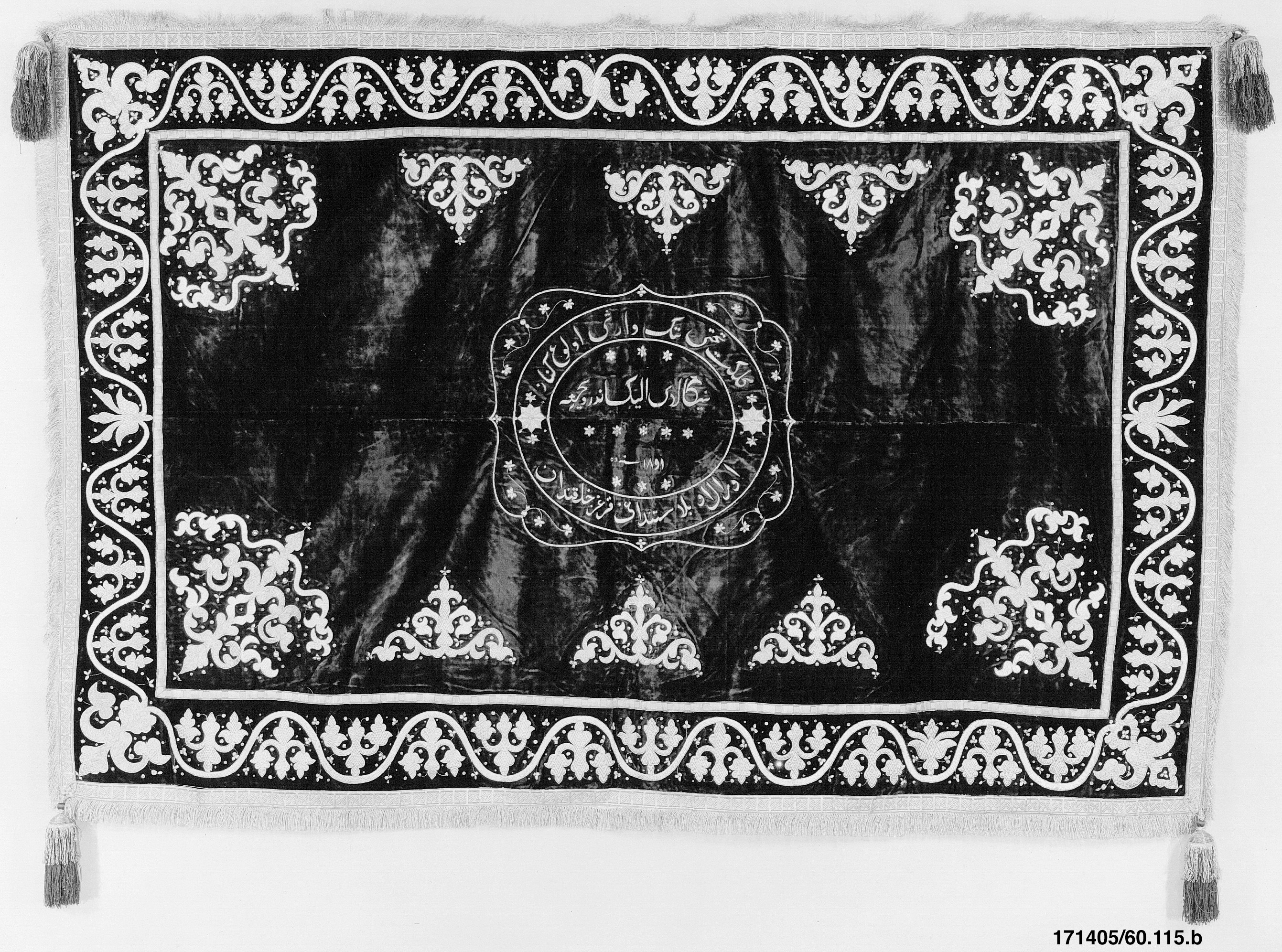
Fragment of Cover: A Couture Analysis of Global Heritage in Velvet and Metal
In the rarefied echelons of haute couture, where fabric is not merely material but narrative, Katherine Fashion Lab presents a singular artifact: the Fragment of Cover. This standalone study, rooted in a philosophy of global heritage, transcends conventional garment construction. It is a meditation on preservation, a dialogue between the tactile and the symbolic, executed through the opulent interplay of velvet and gold-and-silver wrapped thread. To analyze this fragment is to decode a lexicon of cultural memory, artisan mastery, and the deliberate incompleteness that defines modern luxury.
The Velvet Canvas: A Foundation of Heritage and Sensuality
Velvet, as the chosen substrate, is itself a historical protagonist. Originating in ancient East Asian silk weaving and perfected in the Italian Renaissance, velvet has long signified power, ceremony, and intimacy. In the Fragment of Cover, the fabric’s deep pile absorbs and refracts light with a somber luminosity, creating a surface that is both inviting and impenetrable. The material’s weight—its dense, plush hand—grounds the piece in a physicality that demands reverence. This is not a lightweight, fleeting textile; it is a repository of time, a surface that has been touched, folded, and perhaps even worn by generations.
From a couture perspective, velvet presents a unique challenge: its nap requires meticulous handling to avoid crushing or uneven dye absorption. Katherine Fashion Lab’s selection of a deep, almost abyssal hue—a midnight indigo or a charred aubergine—evokes the patina of antiquity. The color suggests not newness, but a curated age, as if the fragment has been unearthed from a forgotten archive. This deliberate choice aligns with the global heritage theme: the velvet is not a blank slate but a witness, bearing the marks of its own history.
Embroidered Cartography: Gold and Silver Wrapped Thread
The embroidery on the Fragment of Cover is where the piece ascends from craft to art. Gold and silver wrapped threads—fine metallic filaments spun around silk or cotton cores—are applied in a technique reminiscent of zardozi (Persian-Indian metal embroidery) and or nué (shaded goldwork). These threads are not merely decorative; they are cartographic. The motifs—fractured geometric lattices, stylized floral arabesques, and calligraphic fragments—map a journey across continents. The gold thread catches the light in sharp, declarative strokes, while the silver offers a cooler, reflective counterpoint, suggesting moonlight or water.
The use of wrapped thread is significant for its structural and symbolic properties. Unlike solid metal wire, wrapped threads are flexible, allowing for dense, intricate stitches that can be layered to create relief. In the Fragment of Cover, the embroidery rises from the velvet in low, sculptural mounds, inviting touch. This haptic quality is central to the piece’s narrative: it is meant to be experienced, not just observed. The metallic threads also carry connotations of wealth, divinity, and protection—common to ceremonial textiles from Mughal India, Safavid Persia, and Byzantine courts. By deploying these materials, Katherine Fashion Lab invokes a universal language of prestige, while the fragmentary composition prevents any single cultural claim from dominating.
Incompleteness as Aesthetic and Intellectual Strategy
The title Fragment of Cover is a deliberate provocation. In couture, where perfection is often the ultimate goal, the fragment challenges the hegemony of the finished garment. This piece is not a dress, a coat, or a shawl; it is a remnant, a detail extracted from an imagined whole. This incompleteness mirrors the nature of global heritage itself—fragmented, reconstructed, and often lost. The embroidery does not form a cohesive pattern but instead breaks off at the edges, with threads trailing into the velvet void. This visual discontinuity suggests that the original “cover” (perhaps a ceremonial cloth, a tent panel, or a funerary shroud) has been dispersed, and only this piece remains.
From a curatorial standpoint, the fragment forces the viewer to engage in active interpretation. Without a complete narrative, the observer must project meaning. Is this a relic of conquest? A souvenir of trade? A survivor of time? The Fragment of Cover resists closure, aligning with contemporary couture’s turn toward deconstruction and conceptualism. It echoes the work of designers like Martin Margiela or Rei Kawakubo, who have used unfinished seams and raw edges to critique fashion’s obsession with polish. However, Katherine Fashion Lab’s approach is distinct: the fragment is not a gesture of rebellion but of reverence. It treats the incomplete as sacred.
Global Heritage: Threads of the Silk Road and Beyond
The global heritage context of this piece is not merely decorative but deeply researched. The combination of velvet and metal embroidery evokes the luxury textiles traded along the Silk Road, where Chinese silks, Indian goldwork, and Persian designs converged. The Fragment of Cover can be read as a microcosm of this exchange: the velvet’s origins in East Asian sericulture, the wrapped thread’s techniques from Central Asian and European guilds, and the motifs’ echoes of Islamic geometric art and European Gothic tracery. Yet the piece refuses to be pinned to a single geography. It is a hybrid, a testament to the fact that heritage is not static but fluid, constantly being reimagined.
In the context of a standalone study, this fragment serves as a pedagogical tool. It invites analysis of how materials and techniques travel, how they are adapted and reinterpreted. For instance, the gold thread’s brightness against the dark velvet may recall the brocatelle of Baroque ecclesiastical vestments, while the silver’s cooler tone suggests the tiraz textiles of medieval Islamic courts. By refusing to settle into one tradition, the piece critiques the notion of cultural purity, instead celebrating the syncretism that defines global heritage.
Conclusion: The Power of the Partial
The Fragment of Cover by Katherine Fashion Lab is more than a study in material and technique; it is a philosophical statement on the nature of luxury and memory. The velvet’s depth, the metallic threads’ brilliance, and the deliberate incompleteness coalesce into an object that is at once ancient and avant-garde. It reminds us that couture’s highest calling is not to create the perfect whole, but to preserve the meaningful part. In an era of mass production and digital saturation, this fragment offers a rare opportunity for contemplation—a tactile, luminous whisper from the past, reimagined for the present. As a standalone study, it stands as a masterclass in how to honor heritage without being bound by it, and how to wield craftsmanship as a form of storytelling. The Fragment of Cover is not a beginning or an end; it is a threshold, inviting us to step into the rich, incomplete tapestry of global couture.