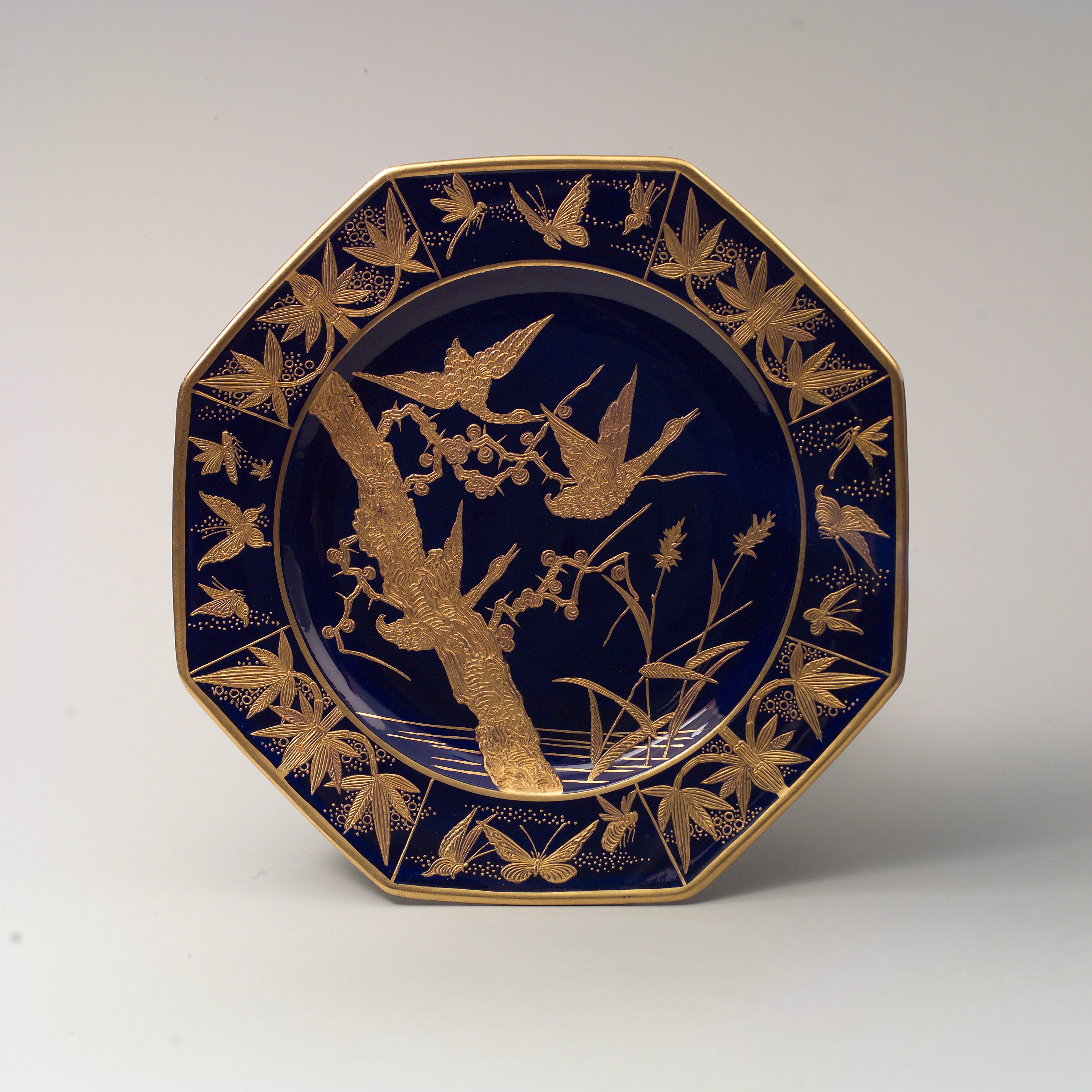
Heritage Analysis: The American Porcelain Plate as a Symbol of Power and Luxury
Introduction: The Plate as a Cultural Artifact
The porcelain plate, often dismissed as a mere utilitarian object, holds profound significance as a carrier of symbolic power, historical adornment, and spiritual meaning within American culture. At Katherine Fashion Lab, we recognize that the plate serves not only as a vessel for sustenance but as a canvas for status, identity, and transcendence. This heritage analysis examines the American porcelain plate through the lens of strategic standalone research, exploring its evolution from a colonial import to a symbol of democratic luxury. By deconstructing its symbolic, historical, and spiritual dimensions, we propose a 2026 high-end luxury strategy that reimagines the plate as a cornerstone of heritage-driven brand elevation.
Symbolic Power: The Plate as a Marker of Status and Identity
In American history, the porcelain plate has functioned as a potent symbol of social stratification and cultural aspiration. During the 18th and 19th centuries, imported Chinese and European porcelain was a marker of elite status, often displayed in cabinets as evidence of wealth and global connectivity. The symbolic power of these plates lay in their rarity and craftsmanship; they were not merely functional but objects of desire that communicated a family’s refinement and economic capital. For instance, the "Blue Willow" pattern, though mass-produced, became a nostalgic emblem of domesticity and class mobility in middle-class homes.
This symbolic resonance persists in contemporary luxury contexts. A plate adorned with intricate hand-painted motifs, such as floral garlands or heraldic crests, evokes a sense of lineage and exclusivity. For Katherine Fashion Lab, leveraging this power means designing plates that tell a story—one of heritage, craftsmanship, and the owner’s place within a curated narrative of taste. The 2026 strategy should position these plates as collectible artifacts, where each piece carries a unique code or insignia that links the owner to a broader cultural lineage, thereby transforming consumption into a form of identity investment.
Historical Adornment: The Evolution of American Porcelain
The historical adornment of American porcelain reflects a journey from colonial mimicry to industrial innovation. Early American potteries, such as those in Philadelphia and New York, initially replicated European designs, but by the mid-19th century, manufacturers like Lenox and Haviland established a distinct American aesthetic. The Gilded Age saw the rise of ornate, hand-painted plates featuring native flora, fauna, and patriotic symbols, such as eagles and stars, which celebrated national identity while asserting cultural independence from Europe.
This historical trajectory offers a rich resource for luxury strategy. The adornment of plates—whether through gold leaf, enamel inlays, or sculptural relief—serves as a testament to the artisan’s skill and the patron’s discernment. For Katherine Fashion Lab, the 2026 strategy must revive these ornamental traditions through collaborations with contemporary artisans who reinterpret historical motifs. For example, a limited-edition series inspired by the "Aesthetic Movement" of the 1870s could feature asymmetrical floral designs in platinum and cobalt, blending historical reverence with modern minimalism. Such adornment not only enhances the plate’s visual appeal but also anchors it in a narrative of American ingenuity, making it a desirable asset for high-net-worth collectors.
Spiritual Meaning: The Plate as a Vessel of Ritual and Transcendence
Beyond its materiality, the porcelain plate carries spiritual meaning rooted in ritual and communal practice. In American culture, plates have been central to ceremonies—from Thanksgiving feasts to wedding receptions—where they symbolize abundance, hospitality, and shared memory. The act of serving on a fine porcelain plate elevates the mundane into the sacred, transforming a meal into a moment of gratitude and connection. This spiritual dimension is particularly evident in the tradition of heirloom plates, passed down through generations, which embody familial continuity and ancestral presence.
For luxury brands, tapping into this spiritual resonance offers a pathway to emotional depth. Katherine Fashion Lab’s 2026 strategy should design plates that invite ritualistic use, such as a "Blessing Plate" engraved with a blessing or a prayer, intended for use during significant life events. Alternatively, a "Meditation Plate" with a subtle, textured surface could serve as a focal point for mindful eating practices, aligning with the growing demand for wellness-oriented luxury. By imbuing plates with spiritual significance, the brand transcends mere decoration, offering consumers a tangible connection to timeless values of gratitude, legacy, and inner peace.
2026 High-End Luxury Strategy: From Object to Icon
The synthesis of symbolic power, historical adornment, and spiritual meaning positions the American porcelain plate as a strategic asset for Katherine Fashion Lab’s 2026 luxury portfolio. To capitalize on this heritage, we propose a three-pronged strategy:
1. Heritage Curation and Storytelling: Launch a "Heritage Series" of plates that trace the evolution of American porcelain, each piece accompanied by a digital provenance certificate detailing its design inspiration, artisan biography, and historical context. This storytelling approach transforms the plate into a curated artifact, appealing to collectors who value narrative over mere aesthetics. The series could include a "Founders’ Edition" featuring patterns from 19th-century American potteries, reimagined with contemporary materials like black porcelain and 24-karat gold.
2. Experiential Luxury and Ritual: Develop a "Table as Altar" experience, where plates are sold as part of a curated dining set that includes a ritual guidebook. This guidebook would offer meditative prompts or historical anecdotes for each course, encouraging consumers to engage with the plate as a spiritual tool. For example, a "Gratitude Plate" could be used for a weekly family dinner ritual, fostering emotional attachment and brand loyalty. This strategy positions the plate as a lifestyle investment, not just a decorative object.
3. Limited-Edition Collaborations: Partner with contemporary American artists, ceramicists, and even chefs to create exclusive, numbered plates that blur the line between art and function. Each collaboration should be tied to a specific cultural moment—such as the centennial of a historic event—or a spiritual theme, like "Renewal" or "Unity." The scarcity and artistic merit of these plates will drive desirability among high-net-worth individuals, while the co-branding amplifies cultural relevance. For instance, a collaboration with a Native American potter could incorporate traditional symbols of harmony, adding layers of spiritual meaning and ethical luxury.
Conclusion: The Plate as a Luxury Heritage Asset
The American porcelain plate, when examined through the lenses of symbolic power, historical adornment, and spiritual meaning, reveals itself as a profound heritage asset. For Katherine Fashion Lab, the 2026 high-end luxury strategy must move beyond the plate’s functional origins, positioning it as a vessel for status, artistry, and transcendence. By curating narratives of American craftsmanship, designing for ritual engagement, and forging collaborations that honor cultural depth, the brand can transform a simple object into a lasting icon of luxury. This approach not only aligns with the growing consumer demand for meaningful, heritage-driven purchases but also secures Katherine Fashion Lab’s place as a leader in the evolving landscape of American luxury.