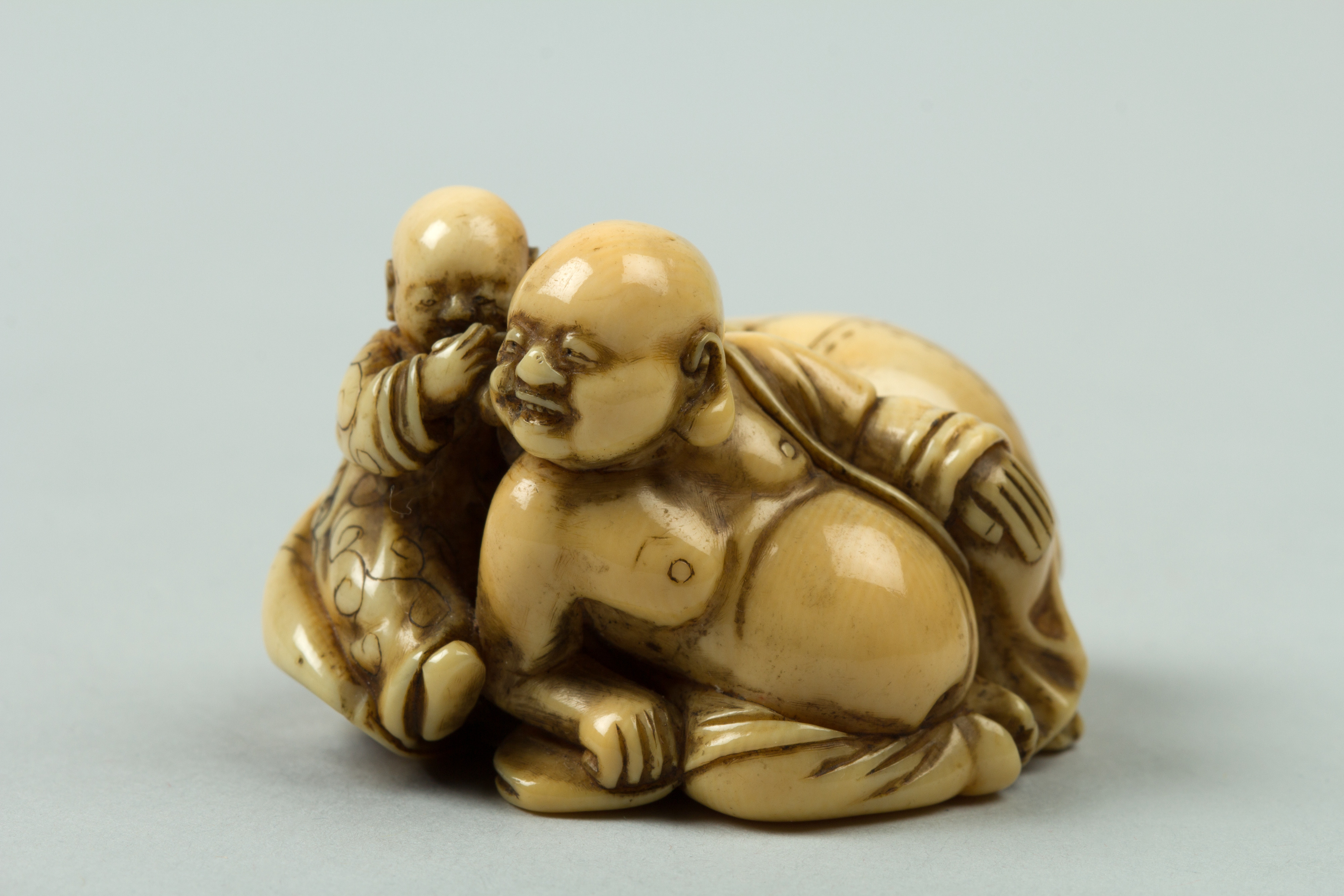
Heritage Analysis: Netsuke as a Source of Symbolic Power and Luxury Strategy
As Lead Heritage Curator for Katherine Fashion Lab, I present this strategic standalone research on the Japanese netsuke, a miniature sculptural object of profound cultural and spiritual significance. Originating in the Edo period (1603–1868), netsuke were functional toggles used to secure personal belongings—such as inro (seal cases) or pouches—to the sash of a kimono. Carved primarily from ivory, wood, or other durable materials, these objects transcended utility to become emblems of status, artistry, and metaphysical protection. This analysis examines netsuke through the lenses of symbolic power, historical adornment, and spiritual meaning, culminating in a forward-looking luxury strategy for 2026 high-end positioning.
Symbolic Power: The Microcosm of Authority and Identity
Netsuke functioned as a potent symbol of social hierarchy and personal identity in Tokugawa Japan. Their visibility on the obi (kimono sash) made them immediate indicators of wealth, taste, and lineage. Samurai, merchants, and aristocrats commissioned netsuke to display allegiance to clan motifs, mythological figures, or auspicious animals such as the shishi (lion-dog) or komainu (guardian lions). The ivory medium itself carried symbolic weight: imported from Southeast Asia and Africa, ivory was a luxury material associated with rarity, purity, and imperial favor. Its smooth, luminous surface allowed for intricate carving that could convey narrative depth—scenes from folklore, kabuki theater, or nature—thereby embedding the owner’s cultural literacy and refined sensibility.
In the context of contemporary luxury, netsuke’s symbolic power translates into a visual language of exclusivity. For Katherine Fashion Lab, this suggests leveraging micro-narratives within accessories—such as a pendant or clasp—that communicate heritage, personal mythology, or social standing. The 2026 strategy should emphasize bespoke iconography, where each piece tells a unique story, mirroring the netsuke’s role as a portable emblem of authority.
Historical Adornment: From Functional Toggle to Art Object
The evolution of netsuke from practical object to high art mirrors the trajectory of luxury goods in global markets. During the Edo period, the rise of a prosperous merchant class fueled demand for intricate netsuke, leading to specialized carving schools in Kyoto, Edo (Tokyo), and Osaka. Artisans like Kaigyokusai Masatsugu and Minkoku elevated the craft, producing pieces with dynamic poses, expressive faces, and meticulous detail. The ivory medium posed unique challenges: its layered structure required precise tooling to avoid cracking, and its natural grain was often incorporated into the design, such as a deer’s antler or a dragon’s scale.
Historical adornment practices reveal a deep connection between netsuke and the wearer’s daily life. Unlike jewelry, which was often reserved for special occasions, netsuke were worn constantly, serving as talismans against misfortune. The himotoshi (cord holes) were ingeniously integrated into the design, allowing the toggle to rotate naturally and remain comfortable against the body. This ergonomic sophistication anticipates modern luxury’s emphasis on wearability and sensory experience.
For Katherine Fashion Lab, this historical context informs a 2026 strategy of functional elegance. Accessories should not merely adorn but serve a purpose—perhaps a clasp that secures a scarf or a pendant that doubles as a scent diffuser. The ivory heritage can be reinterpreted through ethical alternatives, such as sustainable tagua nut or recycled bone composites, maintaining the tactile and visual richness while aligning with contemporary sustainability mandates.
Spiritual Meaning: The Netsuke as Protective Amulet
Beyond social signaling, netsuke were imbued with spiritual significance. Many designs drew from Shinto and Buddhist iconography, including Daruma (Bodhidharma), Jurojin (god of longevity), and Benzaiten (goddess of fortune). Animal motifs like the tanuki (raccoon dog) and kitsune (fox) were believed to ward off evil spirits, while shishi figures offered protection against malevolent forces. The act of carving itself was considered a meditative practice, with artisans often dedicating works to temples or shrines. Wearing a netsuke was thus a daily ritual of spiritual alignment, a portable sanctum.
This spiritual dimension is particularly resonant for luxury consumers seeking meaningful objects in an era of mass production. The 2026 strategy should incorporate ritualistic design elements: a hidden compartment for a personal memento, an engraved mantra, or a form that invites tactile contemplation. Katherine Fashion Lab can position its netsuke-inspired line as modern talismans, blending heritage with personal empowerment. Collaborations with contemporary artists who specialize in symbolic carving—using ethical materials—would reinforce authenticity and narrative depth.
2026 High-End Luxury Strategy: Translating Netsuke Heritage for the Modern Connoisseur
To translate netsuke’s heritage into a 2026 luxury strategy, Katherine Fashion Lab must address three pillars: material ethics, narrative exclusivity, and experiential craftsmanship.
Material Ethics and Sustainable Innovation
Historical netsuke relied on ivory, which is now globally restricted due to conservation concerns. For 2026, Katherine Fashion Lab should pioneer bio-based alternatives that replicate ivory’s density and luster. Potential materials include compressed tagua nut, fossilized mammoth tusk (ethically sourced), or plant-based resins infused with natural pigments. Each piece should be accompanied by a digital provenance certificate detailing material origin and artisan credentials, reinforcing transparency and trust—key drivers for high-net-worth consumers.
Narrative Exclusivity and Personalization
Just as Edo-period netsuke told the owner’s story, Katherine Fashion Lab’s 2026 collection should offer bespoke storytelling. Clients could collaborate with master carvers to design motifs representing personal milestones—a family crest, a zodiac animal, or a landscape memory. This co-creation model elevates the piece from commodity to heirloom, commanding premium pricing. Limited-edition series inspired by historical netsuke masters (e.g., Minkoku’s animal studies) could anchor the collection, with each piece numbered and accompanied by a scholarly essay.
Experiential Craftsmanship and Digital Integration
Luxury in 2026 demands multisensory engagement. Katherine Fashion Lab should host invitation-only workshops where clients observe or participate in carving demonstrations, using ethically sourced materials. These events could be streamed via a private digital platform, blending physical and virtual exclusivity. Additionally, each netsuke-inspired accessory could include a near-field communication (NFC) chip that unlocks an augmented reality (AR) experience—animating the carved figure or revealing its historical context. This fusion of tradition and technology aligns with the preferences of Gen Z and Millennial ultra-high-net-worth individuals who value both heritage and innovation.
Conclusion: A Legacy Reimagined
The netsuke’s journey from Edo-period toggle to global art object offers a blueprint for Katherine Fashion Lab’s 2026 luxury strategy. By honoring its symbolic power, historical adornment, and spiritual meaning—while adapting to ethical and technological imperatives—the brand can create objects that resonate with modern connoisseurs. The ivory medium serves as a cautionary tale of resource scarcity; thus, sustainable innovation becomes not a compromise but a narrative of renewal. In a market saturated with ephemeral trends, netsuke-inspired designs promise enduring relevance, bridging past and future with artistry and intention. Katherine Fashion Lab is poised to lead this renaissance, crafting heirlooms for a new era.