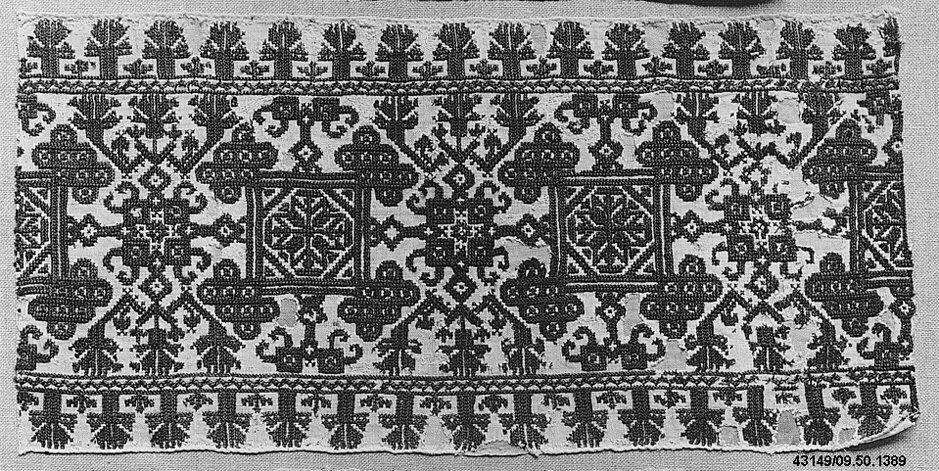
The Banded Silhouette: A Couture Analysis of Katherine Fashion Lab’s Global Heritage Silk on Linen
Conceptual Foundation: The Band as Architectural Motif
In the rarefied echelons of haute couture, where fabric meets philosophy, Katherine Fashion Lab presents a standalone study that redefines the relationship between structure and drape. The subject of this analysis is a singular garment—a banded ensemble that draws its inspiration from the universal concept of the “band,” a motif that transcends geography, culture, and time. The band, whether as a functional strap, a decorative trim, or a symbol of unity, has appeared in ancient Mesopotamian textiles, Japanese obi sashes, and Andean woven belts. Here, it is elevated from accessory to architectural principle.
The garment’s global heritage is not a mere decorative flourish but a philosophical underpinning. It speaks to a world where borders blur, and craftsmanship is a shared language. The band, in this context, becomes a metaphor for connectivity—a line that both divides and unites. It is a deliberate departure from the fluid, unstructured forms that dominate much of contemporary luxury. Instead, Katherine Fashion Lab proposes a disciplined, almost mathematical approach to the body, where the band imposes order on organic silk and linen, creating a tension that is both visual and tactile.
Material Alchemy: Silk on Linen as a Duality of Texture
The choice of silk on linen is a masterstroke of material intelligence. Linen, with its inherent rigidity and natural crease, provides the structural backbone—a canvas that resists and remembers. Silk, conversely, offers a liquid, reflective surface that catches light and movement. The juxtaposition is not merely aesthetic but functional. The linen base grounds the garment, preventing the silk from overwhelming the silhouette, while the silk overlay introduces a sense of luxury and fluidity that softens the linen’s austerity.
This duality mirrors the global heritage theme: linen, a fabric of ancient Western and Mediterranean civilizations, meets silk, the quintessential Eastern luxury. The two materials are not blended but layered, each retaining its distinct identity. The banding technique—where strips of silk are precisely sewn onto linen panels—creates a ribbed effect that echoes the warp and weft of traditional weaving. The result is a fabric that is simultaneously rigid and yielding, a paradox that challenges the wearer’s perception of comfort and structure.
From a technical standpoint, the silk-on-linen construction requires exceptional skill. The silk must be cut on the bias to allow for slight give, while the linen is cut on the grain to maintain stability. The stitching, invisible from the exterior, uses a flat-felled seam to ensure durability without bulk. This is couture-level engineering, where every millimeter is calculated to preserve the integrity of the banded motif.
Silhouette and Form: The Band as Structural Spine
The garment’s silhouette is defined by a series of horizontal and vertical bands that act as a structural exoskeleton. These bands are not merely decorative; they shape the garment’s volume and movement. A central vertical band runs from the collarbone to the hem, anchoring the composition. Horizontal bands at the waist, shoulders, and hips create a corset-like effect, cinching and releasing the fabric in controlled intervals. This is not a garment that drapes passively; it demands the wearer to engage with its architecture.
The banding also introduces a rhythmic quality that guides the eye. The intervals between bands are carefully calibrated—wider at the torso, narrower at the limbs—to create a sense of proportion that flatters the human form. The bands themselves are not uniform in width; they taper and expand, mimicking the natural curves of the body. This is a deliberate deviation from the strict geometry of traditional banding, allowing the garment to breathe and move with the wearer rather than constraining them.
In the context of standalone study, the garment is presented without accessories or layering, forcing the viewer to confront the banding as the sole narrative device. There are no distracting embellishments—no beads, no embroidery, no appliqués. The focus is entirely on the interplay of band and fabric, light and shadow. This minimalism is a bold statement in an era of maximalist couture, underscoring Katherine Fashion Lab’s commitment to purity of form.
Cultural Resonance: A Tapestry of Global References
The global heritage of the band is not merely a conceptual backdrop; it is woven into the garment’s DNA. The vertical band recalls the sash of the Japanese kimono, a symbol of formality and grace. The horizontal bands evoke the faja of the Andes, a woven belt that carries ancestral patterns. The overall silhouette hints at the chiton of ancient Greece, where fabric was pinned and belted rather than cut and sewn. Yet the garment never becomes a pastiche; it synthesizes these references into a cohesive, modern vocabulary.
This synthesis is achieved through material honesty. The linen’s natural ecru tone and the silk’s subtle sheen create a palette that is neutral yet rich, allowing the banding to take center stage. The color is not a cultural signifier but a universal canvas, one that invites the wearer to project their own heritage onto the garment. This is a deliberate choice: the band, in its simplicity, becomes a blank slate for global interpretation.
Wearability and the Future of Couture
While the garment is presented as a standalone study, its implications for wearability are profound. The banded construction allows for a degree of adjustability—the bands can be loosened or tightened to accommodate different body types, making the garment more inclusive than traditional couture. This is a quiet revolution in a world where size and fit often dictate exclusivity. The silk-on-linen combination also offers breathability, making the garment suitable for a range of climates, from temperate to tropical.
Katherine Fashion Lab positions this piece as a blueprint for sustainable luxury. The use of natural, biodegradable materials and the emphasis on longevity through structural design challenge the fast-fashion paradigm. The banded motif, with its timeless appeal, resists seasonal trends, encouraging the wearer to view the garment as an heirloom rather than a disposable commodity. This is couture as a statement of values, not just aesthetics.
Conclusion: The Band as a Universal Language
In this standalone study, Katherine Fashion Lab has demonstrated that the band is not merely a decorative element but a philosophical and structural tool of immense potential. The silk-on-linen construction, rooted in global heritage, speaks to a future where couture is both local and universal, disciplined and expressive. This garment is a meditation on the line—the line that divides, connects, and defines. It is a reminder that in the hands of a master, the simplest motif can become a profound statement of art and identity.