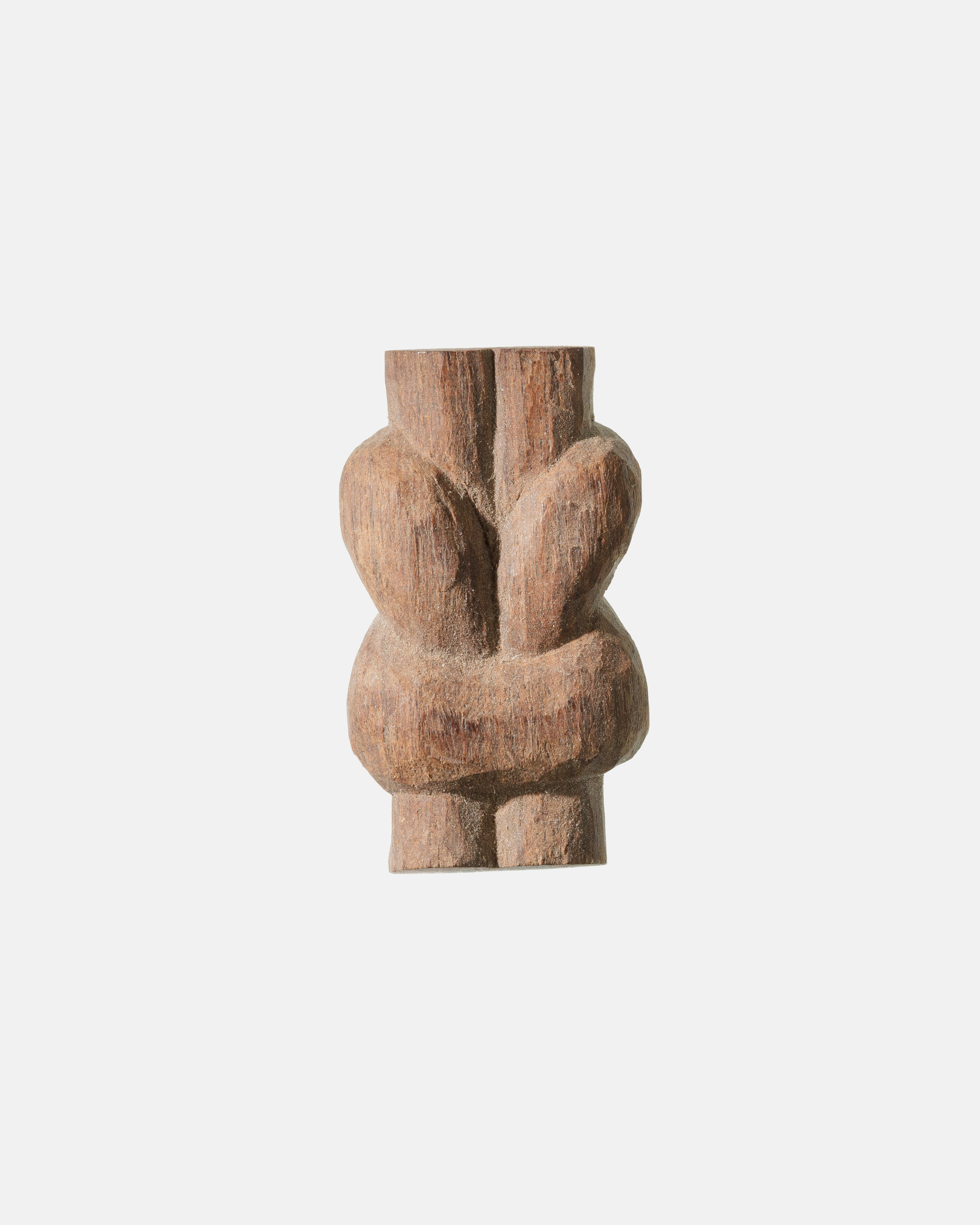
Heritage Analysis: The Tjes-Knot Amulet in Ebony
Introduction: The Subject and Its Strategic Significance
The Tjes-Knot amulet, rendered in polished ebony, represents a profound convergence of symbolic power, historical adornment, and spiritual meaning. As a Lead Heritage Curator for Katherine Fashion Lab, this analysis examines the amulet as a standalone artifact of ancient civilization, specifically within the context of Egyptian and broader Nilotic cultural practices. The Tjes-Knot—often associated with the goddess Isis and the concept of protection, life, and cyclical renewal—serves as a potent emblem for high-end luxury strategy in 2026. Its materiality in ebony, a wood prized for its density, darkness, and association with the fertile black soil of the Nile, amplifies its ritualistic and aesthetic value. This research positions the Tjes-Knot not merely as an accessory but as a strategic asset for Katherine Fashion Lab, enabling the brand to articulate narratives of timelessness, spiritual authority, and exclusivity.
Symbolic Power: The Knot as a Nexus of Protection and Continuity
The Tjes-Knot, also known as the Isis knot or girdle, is one of the most enduring symbols in ancient Egyptian iconography. Its form—a looped, knotted configuration—represents the blood of Isis, the maternal goddess who resurrected Osiris and protected the dead. In funerary contexts, the amulet was placed on the mummy to ensure safe passage into the afterlife, symbolizing the binding of the soul to eternal life. For Katherine Fashion Lab, this symbolic power translates into a narrative of resilience and continuity. In the 2026 luxury market, where consumers seek deeper meaning beyond material opulence, the Tjes-Knot offers a metaphor for enduring strength. The knot itself—a structure that tightens under pressure—mirrors the brand’s commitment to craftsmanship that withstands trends. By incorporating this symbol, Katherine Fashion Lab can position its collections as talismanic objects, imbuing wearers with a sense of personal power and ancestral protection. This is not mere decoration; it is a strategic invocation of symbolic capital that differentiates the brand in a saturated market.
Historical Adornment: Ebony as a Medium of Prestige and Ritual
Ebony wood, sourced from the African continent, held immense value in ancient civilizations, particularly in Egypt where it was imported from Nubia. Its black, fine-grained texture made it ideal for carving intricate amulets, furniture, and statues. The choice of ebony for the Tjes-Knot is historically significant: it was a material reserved for royalty, priests, and the elite, often associated with the god Osiris and the concept of rebirth. The darkness of ebony was not seen as negative but as a representation of the fertile silt of the Nile, the source of life. For Katherine Fashion Lab, this historical context provides a rich foundation for heritage storytelling. In high-end luxury, materiality is a key differentiator. Ebony’s rarity, its association with ancient power structures, and its tactile depth align with the 2026 trend toward authentic, artisanal materials. By using ebony—ethically sourced and historically referenced—the brand can create a narrative of exclusivity that resonates with discerning clients who value provenance. The amulet becomes a wearable artifact, a piece of history that transcends mere fashion.
Spiritual Meaning: The Amulet as a Mediator Between Worlds
In ancient belief systems, the Tjes-Knot was more than an ornament; it was a conduit for divine energy. The knot’s form was believed to channel heka (magical power), protecting the wearer from malevolent forces and ensuring fertility and prosperity. This spiritual dimension is critical for Katherine Fashion Lab’s 2026 strategy, as the luxury industry increasingly embraces wellness, mindfulness, and spiritual wellness. The amulet’s function as a mediator between the physical and spiritual worlds aligns with consumer desires for objects that offer emotional and psychological value. For the brand, this means positioning the Tjes-Knot amulet as a ritual object—a piece to be worn during moments of transition, meditation, or personal empowerment. The spiritual meaning can be communicated through curated experiences: private viewings with historians, guided meditations on the symbolism of the knot, or limited-edition releases tied to lunar cycles. This approach elevates the amulet from a commodity to a sacred asset, fostering deep brand loyalty among clients who seek meaning in their purchases.
2026 High-End Luxury Strategy: Integrating Heritage into Modernity
The Tjes-Knot amulet in ebony offers a clear strategic pathway for Katherine Fashion Lab in 2026. The luxury market is shifting toward quiet luxury and heritage-driven design, where understated pieces with profound narratives command premium pricing. The amulet, small yet symbolically dense, embodies this shift. The following strategic pillars are recommended:
1. Exclusivity through Provenance: Each amulet should be accompanied by a certificate of origin, detailing the ebony’s ethical sourcing and the artisan’s lineage. Limited editions (e.g., 100 pieces) referencing the 100 knots of the Tjes symbol create scarcity.
2. Cross-Category Integration: The Tjes-Knot motif can extend beyond jewelry into ready-to-wear (as a brooch), accessories (as a bag charm), and even home decor (as a decorative knot). This creates a cohesive brand universe.
3. Experiential Marketing: Host private salons where clients learn about the amulet’s history from curators. Offer customization—engraving personal symbols onto the ebony—to deepen emotional connection.
4. Digital Storytelling: Use augmented reality (AR) to show the amulet’s historical context. A client scanning the piece could see an overlay of ancient Egyptian rituals, merging past and present.
5. Sustainability Ethics: Ebony is a protected species. Partner with reforestation initiatives and use reclaimed wood, positioning the brand as a steward of cultural and environmental heritage. This aligns with the 2026 luxury consumer’s demand for conscious consumption.
Conclusion: The Tjes-Knot as a Strategic Asset
The Tjes-Knot amulet in ebony is not a relic of the past but a blueprint for the future of Katherine Fashion Lab. Its symbolic power of protection, historical adornment as a status marker, and spiritual meaning as a mediator between worlds provide a multifaceted narrative that resonates with the 2026 luxury consumer. By integrating this heritage object into a strategic framework of exclusivity, storytelling, and sustainability, the brand can transcend fashion to become a purveyor of timeless artifacts. The Tjes-Knot serves as a reminder that true luxury is not about the object itself but the meaning it carries—a meaning that, when properly curated, endures across millennia. For Katherine Fashion Lab, this amulet is a strategic investment in cultural capital, one that will define the brand’s legacy in the years to come.