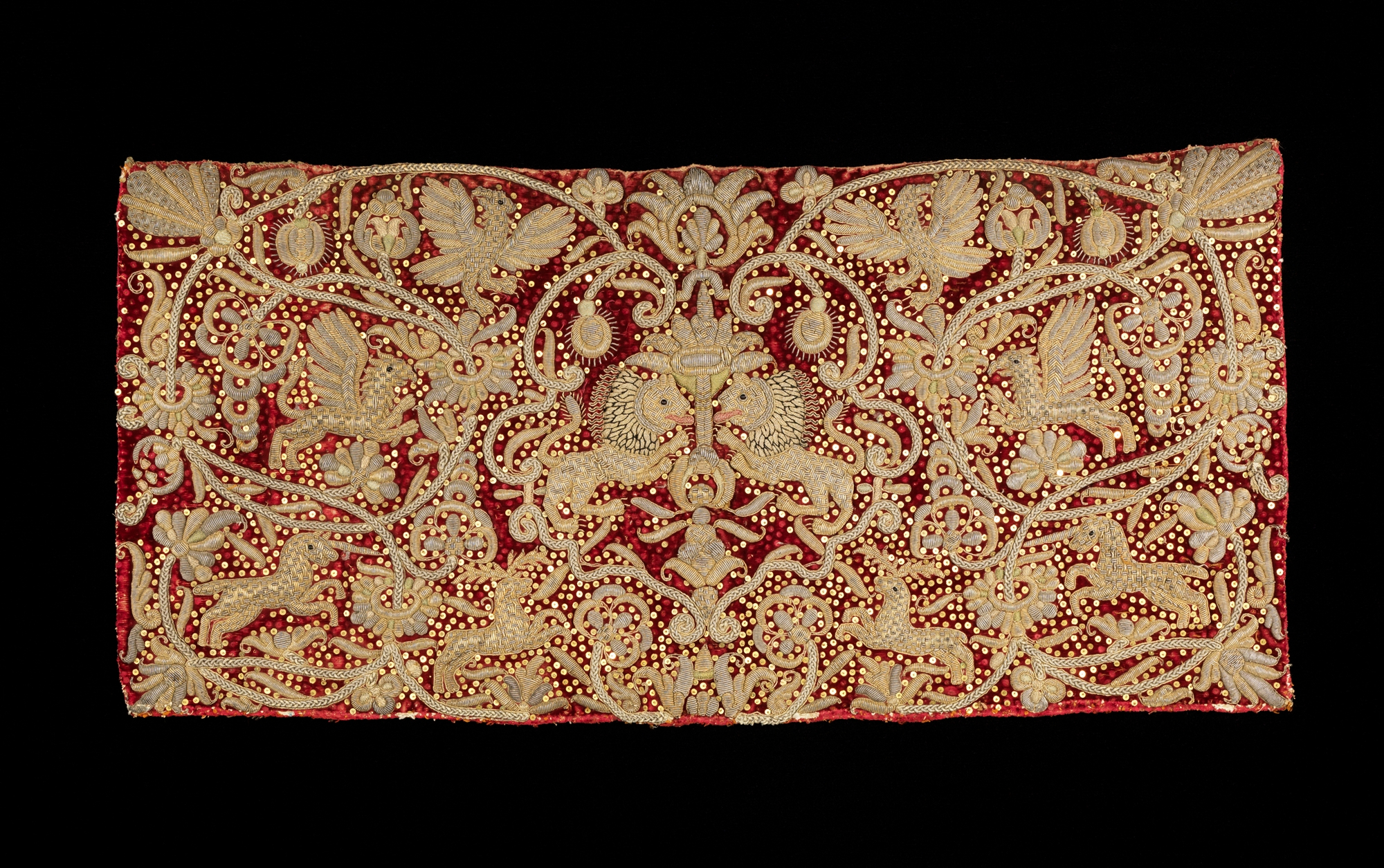
The Vestment Reimagined: A Couture Analysis of Global Heritage in Silk and Metal
In the rarefied sphere of haute couture, the vestment—a garment historically reserved for ritual, authority, and ceremonial transcendence—represents a profound intersection of materiality, symbolism, and craft. At Katherine Fashion Lab, the latest standalone study repositions the vestment not as an artifact of ecclesiastical or regal tradition, but as a living canvas for global heritage. By fusing silk and metal, the lab orchestrates a dialogue between ancient textile reverence and contemporary structural innovation. This analysis dissects the couture implications of this collection, examining how material selection, construction techniques, and cultural narrative converge to redefine the vestment as a wearable statement of power and identity.
Material Dialectics: Silk's Fluidity and Metal's Armor
The choice of silk as the primary textile is a deliberate nod to the vestment’s historical lineage. Silk, originating from China’s ancient sericulture and later traversing the Silk Road, has long been synonymous with luxury, divinity, and imperial authority. In Katherine Fashion Lab’s hands, the silk is not merely a backdrop; it is a protagonist. The fabric’s natural luster and drape are manipulated through advanced dyeing techniques that echo East Asian resist-dye traditions, such as shibori and ikat, while also incorporating motifs from West African kente weave patterns. This fusion creates a visual vocabulary that speaks to a global narrative—each fold and hue references a specific cultural heritage without descending into pastiche.
Conversely, metal is introduced as a structural counterpoint. Historically, metal threads in ecclesiastical vestments signified divine light and earthly power. Here, Katherine Fashion Lab elevates this concept by integrating hand-hammered brass and oxidized silver into the garment’s architecture. The metal is not applied as mere embellishment; it is woven into the silk’s warp and weft using a proprietary technique that combines filigree and chainmail construction. This results in a fabric that is both supple and armored—a paradox that mirrors the vestment’s dual role as a symbol of vulnerability and protection. The metal elements catch light in unpredictable patterns, creating a kinetic quality that changes with the wearer’s movement, thus reinforcing the vestment’s ceremonial dynamism.
Construction as Ritual: The Artisanal Imperative
A couture analysis of this caliber demands scrutiny of the construction process, which Katherine Fashion Lab treats as a ritualistic endeavor. Each vestment is hand-cut and assembled over a period of 300 to 500 hours, reflecting the lab’s commitment to slow fashion and artisanal preservation. The silk panels are first hand-dyed in small batches using natural pigments sourced from indigo, madder root, and cochineal—materials with deep roots in Indian, Japanese, and Mesoamerican textile traditions. This dyeing process is followed by a resist-printing stage, where molten beeswax is applied to create negative spaces that reveal the silk’s raw texture.
The metal components are crafted by a team of goldsmiths who collaborate directly with the textile artisans. Using techniques derived from Byzantine opus interrasile (openwork metal carving) and Mughal kundan setting, the metal is shaped into interlocking scales and geometric medallions. These are then hand-stitched onto the silk using a double-thread technique that ensures structural integrity while allowing the fabric to retain its flow. The result is a garment that functions as a second skin—a metaphysical armor that does not constrain but amplifies the wearer’s presence. This meticulous construction elevates the vestment from a garment to a wearable sculpture, a testament to the lab’s philosophy that couture is a discipline of patience and precision.
Global Heritage as Narrative: Symbolism and Cultural Synthesis
The standalone study of the vestment at Katherine Fashion Lab is not an exercise in cultural appropriation but a scholarly synthesis of global heritage. The collection draws from five distinct traditions: the chiton of ancient Greece, the dalmatik of Byzantine liturgy, the kimono of Japan, the boubou of West Africa, and the sherwani of South Asia. Each vestment in the study incorporates a signature element from these traditions—such as the wide sleeves of the Greek chiton or the wrapped obi of the kimono—while recontextualizing them through the silk-and-metal lens.
Symbolically, the metal elements are imbued with meaning. The brass medallions, for instance, are engraved with motifs from the Tree of Life (a cross-cultural symbol of connection between earth and sky) and geometric tessellations reminiscent of Islamic girih patterns. These motifs are not decorative; they serve as codes of identity, allowing the wearer to project a narrative of heritage without uttering a word. The silk’s color palette further reinforces this narrative—deep indigo for wisdom, crimson for vitality, and gold for the divine. Together, these elements create a visual lexicon that transcends linguistic and geographical boundaries, positioning the vestment as a universal signifier of power and spirituality.
Market Context and Future Implications
From a strategic standpoint, Katherine Fashion Lab’s vestment study occupies a unique niche in the contemporary couture market. As the industry grapples with sustainability and cultural sensitivity, this collection offers a model for regenerative design. The use of natural dyes, handcrafting, and metal recycling aligns with the growing demand for circular fashion. Moreover, the vestment’s inherent versatility—it can be worn as a ceremonial robe, a statement coat, or a deconstructed gown—broadens its appeal to a discerning clientele seeking investment pieces that double as cultural artifacts.
The standalone study also signals a shift in how couture houses approach heritage. Rather than isolating traditions, Katherine Fashion Lab advocates for a global vernacular in fashion, where silk and metal become the threads that weave together disparate histories. This approach not only honors the vestment’s origins but also redefines it for a future where fashion is both a personal and collective expression of identity. For the MBA-level reader, this analysis underscores the importance of strategic authenticity—the lab’s success lies not in mimicking the past but in reimagining it through a lens of material innovation and cultural respect.
In conclusion, Katherine Fashion Lab’s vestment study is a masterclass in couture as cultural diplomacy. By marrying silk and metal, the lab creates garments that are at once ancient and avant-garde, personal and universal. This is not merely fashion; it is a textile testament to the enduring power of human artistry and the infinite possibilities of global heritage.