Heritage Analysis: The Ornamental Chair Back Cover
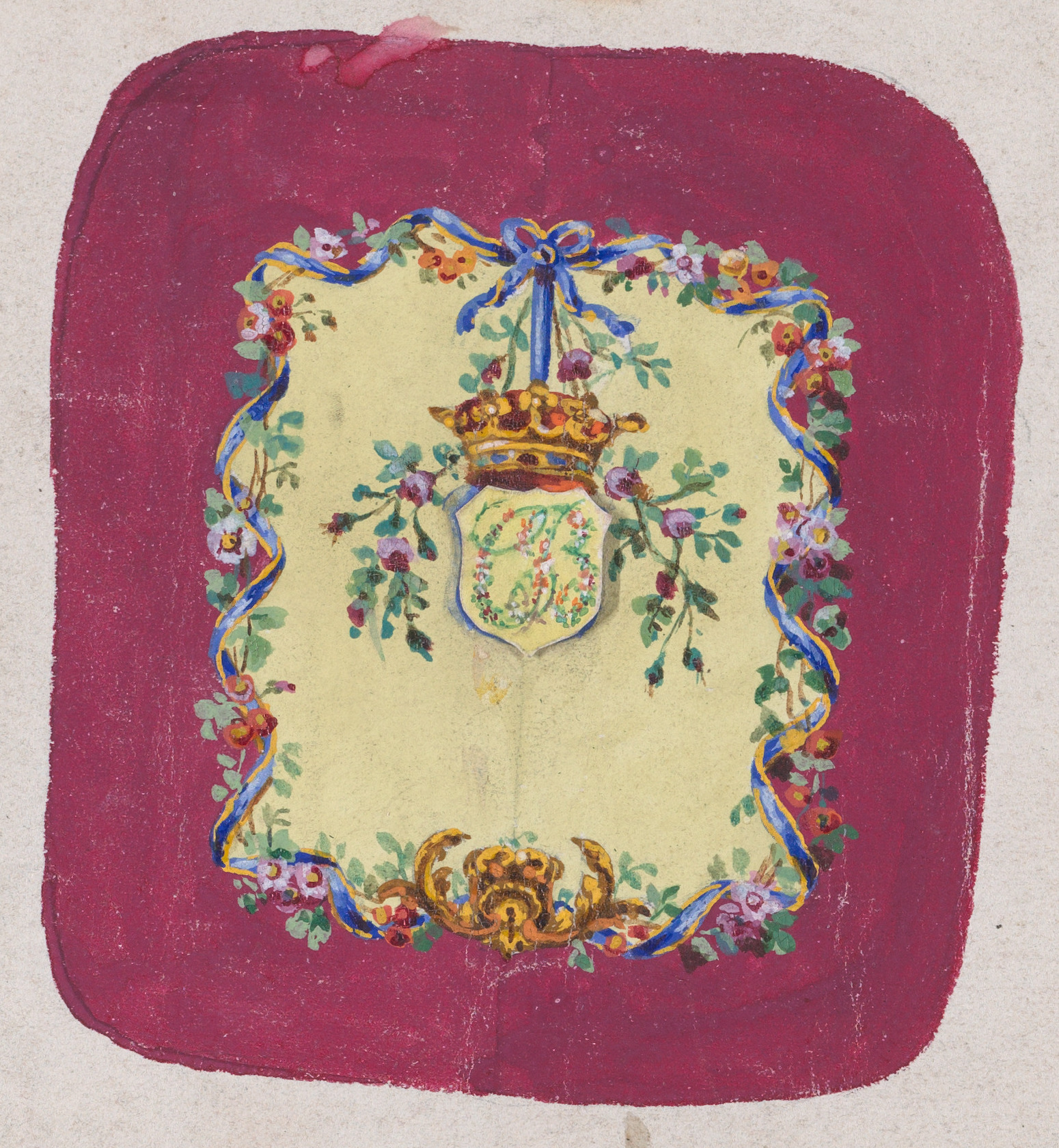
This research paper presents a strategic heritage analysis of a watercolor design for a chair back cover, characterized by an ornamental frame composed of a garland of leaves and flowers, interlaced with ribbon that forms a bow from which a crown motif with a monogram hangs. Commissioned by Katherine Fashion Lab, this analysis situates the design within the symbolic and material culture of Ancient Civilization, extracting insights for a 2026 high-end luxury strategy. The study focuses on four pillars: symbolic power, historical adornment, spiritual meaning, and contemporary luxury positioning.
Symbolic Power: The Crown, Monogram, and Interlacing Ribbon
The crown motif suspended from a bow is a potent emblem of sovereignty, divine right, and hierarchical authority in Ancient Civilization. In Mesopotamian, Egyptian, and early Greco-Roman contexts, the crown was not merely a decorative object but a conduit of cosmic power. The monogram—an interwoven set of letters—serves as a personal or dynastic signature, encoding the identity of a ruler, deity, or elite household. This fusion of crown and monogram amplifies symbolic capital: it declares ownership, lineage, and the fusion of temporal and spiritual authority.
The interlacing ribbon that forms the bow is equally significant. In ancient art, ribbons and knots often symbolized binding, oaths, and eternal connections. The bow, as a tied ribbon, represents a deliberate act of securing power—a visual metaphor for the binding of fate, marriage, or allegiance. For Katherine Fashion Lab, this design element translates into a luxury strategy that emphasizes exclusivity, heritage, and the permanence of brand identity. A 2026 collection could incorporate monogrammed crown motifs as a signature emblem, evoking the timelessness of royal patronage while appealing to aspirational consumers seeking symbolic distinction.
Historical Adornment: The Garland as Decorative and Ritual Object
The garland of leaves and flowers framing the chair back cover is a recurring motif in ancient decorative arts, particularly in Egyptian tomb paintings, Greek symposium ware, and Roman frescoes. Garlands served dual purposes: they were both ornamental and ritualistic. In Ancient Egypt, floral collars and wreaths were placed on mummies and statues to ensure rebirth and protection. In Greece, garlands of laurel, olive, or ivy were worn during religious ceremonies, athletic victories, and symposia, symbolizing honor, wisdom, and divine favor.
The chair back cover itself is an item of historical adornment—an upholstery or textile piece that transforms a functional object into a ceremonial artifact. In ancient palaces and temples, chairs and thrones were often draped with richly decorated fabrics, indicating the status of the occupant. The garland frame thus becomes a border that sanctifies the space, marking it as sacred or regal. For Katherine Fashion Lab, this suggests a strategic opportunity to design limited-edition home accessories and seating textiles that evoke ancient ritual spaces. The 2026 high-end luxury consumer seeks objects that tell a story; a chair back cover bearing a garland motif can be positioned as a modern reliquary, blending comfort with spiritual heritage.
Spiritual Meaning: Leaves, Flowers, and the Cycle of Life
The use of leaves and flowers in the garland carries profound spiritual meaning in Ancient Civilization. Leaves, particularly evergreen varieties like laurel, myrtle, and ivy, symbolize immortality, renewal, and resilience. Flowers—such as the lotus, lily, or rose—represent the transient beauty of life, the soul’s journey, and divine love. In Egyptian symbolism, the lotus was associated with the sun god Ra and the cycle of rebirth. In Greek and Roman traditions, floral wreaths were offered to gods and worn by priests to channel divine energy.
The combination of leaves and flowers in a continuous garland suggests a cyclical worldview—birth, death, and rebirth—central to many ancient belief systems. The interlacing ribbon further reinforces this theme of interconnection and continuity. For Katherine Fashion Lab, this spiritual dimension offers a powerful narrative for luxury branding in 2026. Consumers are increasingly drawn to brands that articulate a philosophy of sustainability, renewal, and mindful consumption. The garland motif can be reinterpreted as a symbol of eco-luxury, with materials sourced from regenerative agriculture and designs that honor natural cycles. A marketing campaign centered on “the eternal garland” could resonate with buyers seeking both aesthetic beauty and ethical depth.
Strategic Application for 2026 High-End Luxury
Translating this heritage analysis into a actionable luxury strategy requires a multi-faceted approach. First, the crown and monogram motif should be developed as a brand cipher for Katherine Fashion Lab, appearing on select ready-to-wear, accessories, and home décor pieces. This cipher can be embroidered, embossed, or printed using heritage techniques such as gold leaf or silk-screen, reinforcing the artisanal quality that defines high-end luxury.
Second, the garland frame should inspire a capsule collection of chair back covers, wall hangings, and textile panels. These items can be produced in limited editions, each accompanied by a provenance card detailing the ancient symbolism of the leaves and flowers used. For example, a design featuring ivy (eternity), laurel (victory), and lotus (rebirth) would offer a layered narrative that appeals to collectors and connoisseurs.
Third, the interlacing ribbon and bow can be leveraged as a design signature in packaging and presentation. Luxury unboxing experiences are critical in 2026; a ribbon-bound box with a crown seal creates a sense of ritual and exclusivity. This aligns with the ancient practice of binding sacred objects, transforming the purchase into a ceremonial act.
Finally, Katherine Fashion Lab should consider a heritage collaboration with a museum or archaeological institution specializing in Ancient Civilization. A co-curated exhibition or digital archive would lend authenticity and prestige, positioning the brand as a custodian of cultural memory. This strategy not only differentiates the label in a crowded market but also builds long-term brand equity through intellectual and emotional engagement.
Conclusion
The watercolor design for a chair back cover, with its garland frame, interlacing ribbon, bow, and crowned monogram, is a rich repository of symbolic power, historical adornment, and spiritual meaning from Ancient Civilization. For Katherine Fashion Lab, this heritage provides a strategic blueprint for a 2026 high-end luxury offering that is both visually compelling and deeply resonant. By embracing the motifs of sovereignty, cycle, and binding, the brand can create products that transcend mere fashion, becoming artifacts of personal and cultural identity. The challenge lies in execution: honoring the ancient origins while innovating for a modern, discerning clientele. With careful curation and narrative-driven design, this heritage analysis can guide Katherine Fashion Lab to a position of enduring luxury leadership.