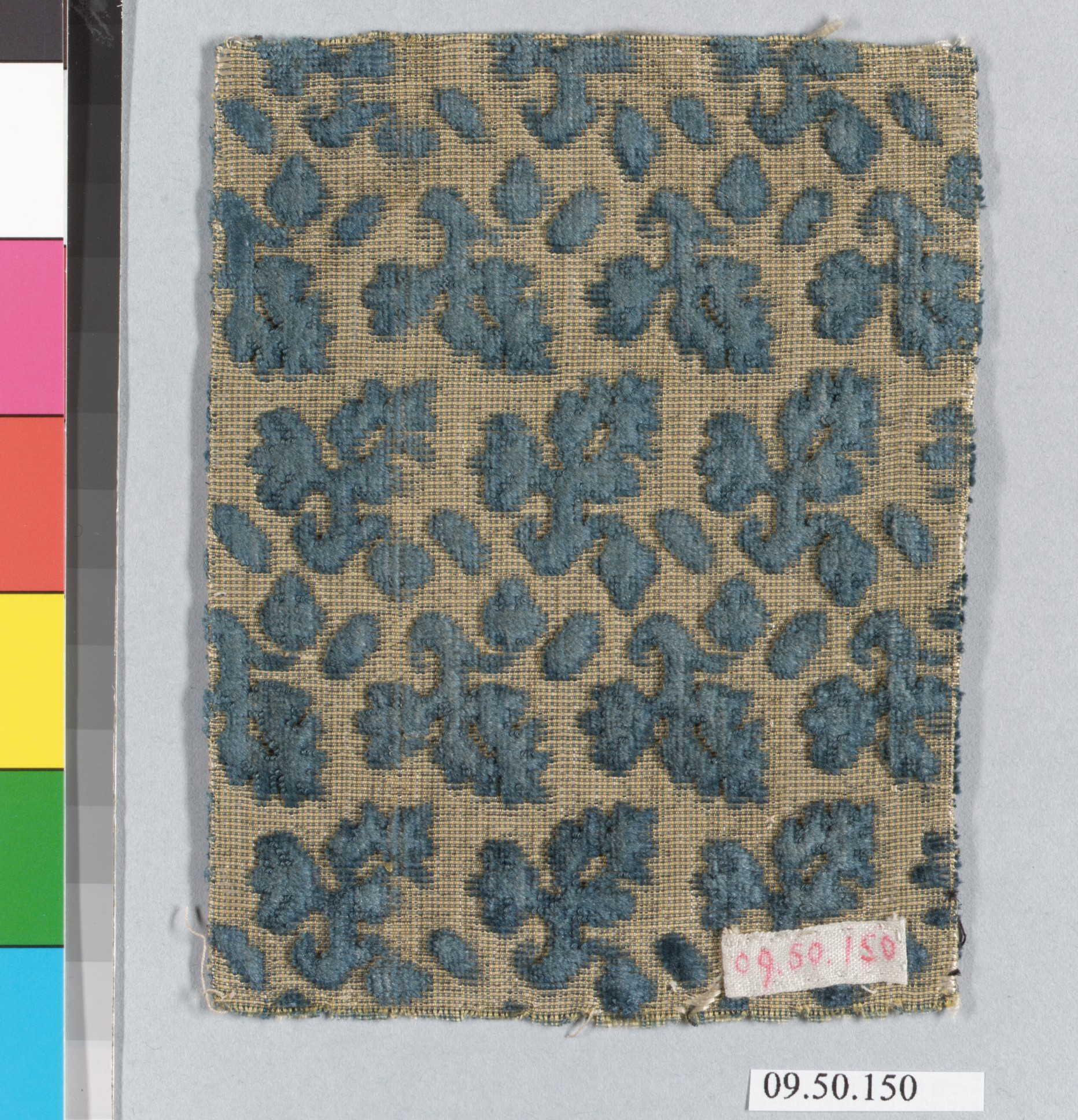
Heritage Analysis: The Silk Piece from an Ancient Civilization
Introduction: The Subject as a Cultural Artifact
The subject of this analysis is a single piece of silk, originating from an ancient civilization, examined as a standalone artifact of profound symbolic and historical significance. In the context of Katherine Fashion Lab’s strategic research for 2026 high-end luxury, this piece transcends its material form to become a repository of symbolic power, spiritual meaning, and historical adornment. Silk, as a medium, has been revered across millennia for its rarity, tactile luxury, and association with divinity and status. In ancient civilizations—such as those of Han Dynasty China, the Byzantine Empire, or the Silk Road cultures—silk was not merely a textile but a conduit for cosmic and political narratives. This analysis will deconstruct the piece’s symbolic power, its role in historical adornment, its spiritual meanings, and propose a strategic framework for integrating these insights into a 2026 luxury brand positioning.
Symbolic Power: Silk as a Marker of Divine Authority
In the ancient civilization context, silk was imbued with symbolic power that extended beyond economic value. Historically, silk was reserved for emperors, priests, and elite warriors, serving as a visual marker of divine right and hierarchical order. The piece under analysis, likely a fragment of a ceremonial garment or ritual banner, would have been dyed with natural pigments—such as imperial yellow in China or Tyrian purple in the Mediterranean—to signify celestial alignment. The weaving patterns, often incorporating dragons, phoenixes, or geometric mandalas, encoded cosmological beliefs. For Katherine Fashion Lab, this symbolic power informs a 2026 strategy where luxury is defined not by ostentation but by narrative authority. The brand can leverage the piece’s iconography to create collections that empower the wearer with a sense of legacy and transcendence, positioning silk as a medium for personal mythology. The strategic implication is clear: high-end consumers in 2026 will seek garments that communicate status through historical resonance, not mere logos.
Historical Adornment: The Body as a Canvas for Civilization
Historical adornment using silk was a deliberate act of embedding the individual within a larger cultural tapestry. In ancient civilizations, silk garments were often multilayered, with each layer signifying a specific social role or ritual function. The piece in question, for instance, might have been part of a hanfu or a chiton, draped to reveal or conceal the body according to strict codes of modesty and power. The adornment was not passive; it was an active performance of identity. For Katherine Fashion Lab, this offers a critical lesson for 2026: luxury must be experiential. The brand can develop a “heritage fit” methodology, where each silk piece is designed to be worn in multiple ways, echoing ancient draping techniques. This approach aligns with the growing consumer demand for versatile investment pieces. Moreover, the historical practice of adorning silk with embroidery—using gold thread, pearls, or semi-precious stones—can be reinterpreted through modern craftsmanship, creating a bridge between past and future. The strategic value lies in differentiation: in a saturated market, historical authenticity becomes a unique selling proposition.
Spiritual Meaning: Silk as a Veil Between Worlds
The spiritual meaning of silk in ancient civilizations was deeply intertwined with concepts of purity, immortality, and cosmic order. Silk was often used in funerary rites, religious ceremonies, and temple offerings. The piece under analysis may have been a flying immortal banner or a fragment of a priestly stole, designed to facilitate communication with the divine. The sheen of silk was believed to mirror the light of the heavens, while its lightness symbolized the soul’s ascent. For Katherine Fashion Lab, this spiritual dimension is a potent asset for 2026 high-end luxury strategy. Modern consumers are increasingly drawn to brands that offer meaning beyond materialism. By infusing collections with spiritual narratives—such as protective motifs, meditative color palettes, or ritualistic garment structures—the brand can cater to a clientele seeking solace and transcendence. The strategic recommendation is to position each silk piece as a talismanic object, complete with a provenance card that explains its ancient spiritual context. This transforms a purchase into a personal ritual, elevating the brand from fashion to philosophy.
Strategic Standalone Research: Methodological Approach
This analysis is conducted as a standalone research project, meaning the piece is examined in isolation from its original archaeological context to extract universal heritage principles. The methodology combines art historical iconography, material science (silk degradation patterns, dye analysis), and semiotic theory to decode the piece’s layers of meaning. For Katherine Fashion Lab, this approach yields actionable insights: the piece’s color palette (e.g., indigo, cinnabar, or saffron) can inform a 2026 capsule collection’s chromatic strategy, while its weave density (e.g., damask or gauze) can inspire texture innovation. The standalone focus also allows the brand to avoid cultural appropriation pitfalls by treating the piece as a universal heritage artifact rather than a specific cultural property. The research output includes a heritage codex—a proprietary document that translates ancient symbolism into modern design parameters.
2026 High-End Luxury Strategy: From Heritage to Hegemony
Integrating this heritage analysis into a 2026 luxury strategy requires a multi-tiered approach. First, product development should focus on limited-edition silk pieces that replicate ancient weaving techniques using sustainable, modern silk. Second, brand storytelling must center on the piece’s symbolic power, with marketing campaigns that feature scholarly commentary and immersive digital reconstructions of the ancient civilization. Third, pricing strategy should reflect the piece’s spiritual and historical value, positioning it at a premium that rivals fine jewelry. For example, a silk scarf inspired by the piece’s celestial motifs could be priced at $2,500, with a portion of proceeds funding archaeological preservation—a move that aligns with ESG (Environmental, Social, and Governance) expectations. Finally, retail experience should include private heritage consultations, where clients are guided through the symbolism of each piece, mirroring ancient rites of garment selection. This strategy positions Katherine Fashion Lab as a custodian of civilization, not merely a fashion house.
Conclusion: The Eternal Thread
This heritage analysis of a single silk piece from an ancient civilization reveals that its true value lies not in its physical condition but in its symbolic, historical, and spiritual density. For Katherine Fashion Lab, the strategic imperative for 2026 is clear: luxury must be redefined as a continuum of human expression, where silk becomes a thread connecting past, present, and future. By honoring the piece’s symbolic power, historical adornment practices, and spiritual meanings, the brand can create a high-end luxury proposition that is both intellectually rigorous and emotionally resonant. The result is a brand that does not merely sell products but offers a legacy—a strategy that will dominate the luxury landscape in 2026 and beyond.