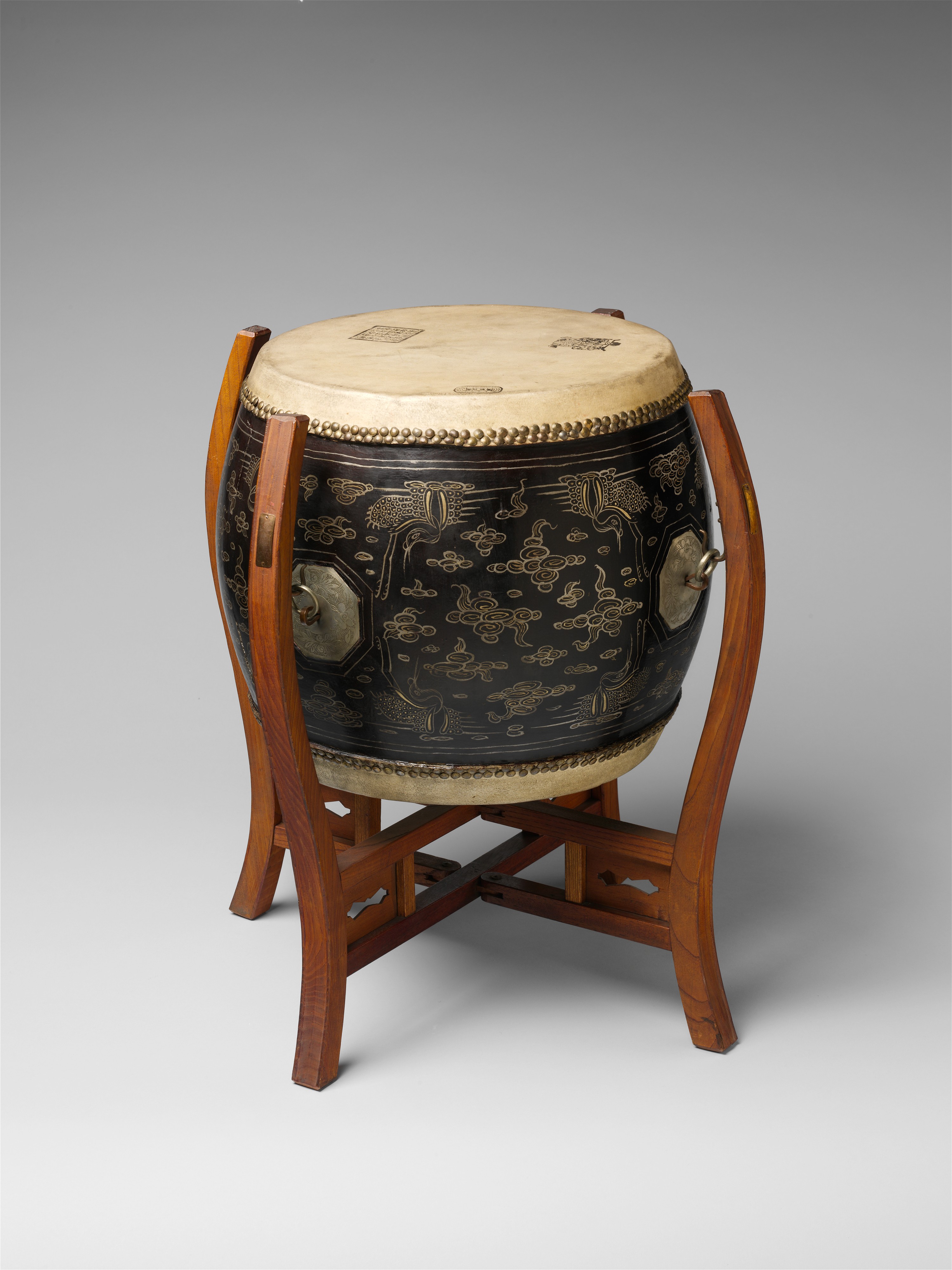
The Tánggǔ: A Study in Sonic Couture and Structural Elegance
At Katherine Fashion Lab, we approach design not merely as the construction of garments but as the orchestration of material, form, and cultural narrative. In our ongoing exploration of global artisan traditions, we turn our lens to the Tánggǔ (堂鼓), a Chinese ceremonial drum that transcends its functional origins to become a profound object of couture analysis. Crafted from wood, oxhide, lacquer, brass, and teak, the Tánggǔ offers a masterclass in the interplay between raw materiality and refined artistry. This standalone study dissects the drum’s anatomy, its structural grammar, and the sensory dialogue it inspires—a dialogue that resonates deeply with the principles of high fashion.
Material Lexicon: The Vocabulary of Craft
The Tánggǔ’s material palette is a deliberate composition, each element chosen for its acoustic and aesthetic properties. The wood—often a dense hardwood such as camphor or elm—forms the drum’s cylindrical body, providing resonance and structural integrity. In couture terms, this wood functions as the foundational “fabric,” akin to a tailored wool or silk crepe that holds shape while allowing for subtle movement. The oxhide stretched across the drumhead is the “textile” of tension, a membrane that translates physical force into vibration. Its natural grain and slight translucency under light evoke the tactile complexity of leather or suede in a bespoke jacket.
The lacquer, applied in multiple layers, transforms the wood’s surface into a glass-like shield, often in deep reds, golds, or blacks. This is the “finish” that elevates the piece from utility to opulence—comparable to the hand-beading or metallic embroidery on a runway gown. Brass fittings, including rivets and decorative studs, introduce a metallic accent that catches light and anchors the drum’s silhouette, much like a sculptural belt or closure on a haute couture piece. Finally, teak is frequently used for the drum’s stand or mallets, its rich, oiled grain offering a counterpoint to the lacquer’s gloss—a study in matte versus sheen.
Structural Grammar: Form as Function
The Tánggǔ’s architecture is a lesson in tension and balance. The drum’s cylindrical body, typically ranging from 30 to 60 centimeters in diameter, creates a vertical axis that commands attention. The oxhide membrane is stretched taut over the top opening, secured by a ring of brass tacks—a detail that mirrors the precision of a corset’s boning or the structured shoulder of a tailored blazer. This tension is not merely decorative; it is the source of the drum’s voice. In fashion, we recognize similar principles: a garment’s silhouette depends on the interplay of tension (draping, pleating, or tailoring) and release (movement, flow).
The lacquer finish serves a dual purpose. Visually, it creates a reflective surface that deepens the drum’s color and lends it a jewel-like quality. Structurally, it seals the wood, protecting it from humidity and decay—a testament to the Japanese concept of kintsugi, where repair becomes part of the object’s beauty. The brass fittings are not mere adornments; they reinforce stress points where the membrane meets the body, much like the reinforced seams in a couture gown that ensure longevity without compromising elegance.
The teak stand, often carved with intricate motifs, elevates the drum both literally and symbolically. It transforms the Tánggǔ from a handheld instrument into a sculptural installation. In fashion, this is analogous to the way a hat’s brim or a gown’s train extends the wearer’s presence, creating a dialogue between the object and its environment.
Sensory Resonance: The Couture of Sound and Sight
While fashion is primarily visual, the Tánggǔ introduces an auditory dimension that deepens its couture analysis. The oxhide membrane produces a rich, resonant tone when struck—a sound that is both grounding and expansive. This acoustic quality parallels the way a garment’s fabric rustles, swishes, or falls against the body. The lacquer and brass contribute to the drum’s timbre, with the metal adding a bright, percussive accent to the wood’s warm resonance. In a fashion context, consider the difference between the whisper of silk and the crisp snap of taffeta; each fabric has its own “voice.”
The visual impact of the Tánggǔ is equally layered. The lacquer’s high-gloss finish reflects light in a manner that changes with the viewer’s angle, creating a dynamic interplay of highlights and shadows. This is akin to the iridescence of a sequined evening gown or the shifting hues of a pleated chiffon. The brass accents, often oxidized to a patina, introduce an element of age and narrative—a reminder that couture pieces are not static but evolve over time, much like the drum’s surface after years of use.
Cultural Context: The Tánggǔ as a Statement of Identity
Historically, the Tánggǔ has been used in Chinese ceremonial contexts—from temple rituals to folk festivals—as a tool for communication, celebration, and spiritual connection. Its presence in a room commands attention, much like a haute couture piece on a runway. The drum’s deep red lacquer is traditionally associated with luck and prosperity in Chinese culture, while the gold or brass accents symbolize wealth and status. These cultural codes are analogous to the symbolic language of fashion, where colors, cuts, and embellishments convey social standing, mood, or allegiance.
In a standalone study, the Tánggǔ becomes a metaphor for the fusion of heritage and innovation. Its materials are rooted in centuries-old craftsmanship, yet its minimalist silhouette and precise engineering feel strikingly modern. This duality is at the heart of Katherine Fashion Lab’s design philosophy: honoring tradition while pushing boundaries. The drum’s teak stand, often carved with motifs like clouds or dragons, references Chinese mythology, yet its clean lines could easily complement a contemporary interior.
Conclusion: The Tánggǔ as a Blueprint for Couture
The Tánggǔ is more than an instrument; it is a manifesto of material intelligence and spatial awareness. Its construction—from the tension of the oxhide to the polish of the lacquer—offers a blueprint for how couture pieces can balance function and artistry. At Katherine Fashion Lab, we see in this drum a call to rethink the boundaries of design: to treat every element, from the humblest wood grain to the brightest brass stud, as a note in a larger symphony. The Tánggǔ teaches us that true elegance lies in the harmony of parts—a lesson that resonates as powerfully in fashion as in music.