Heritage Analysis: The Bobbin as a Symbol of Power and Adornment in Ancient Civilizations
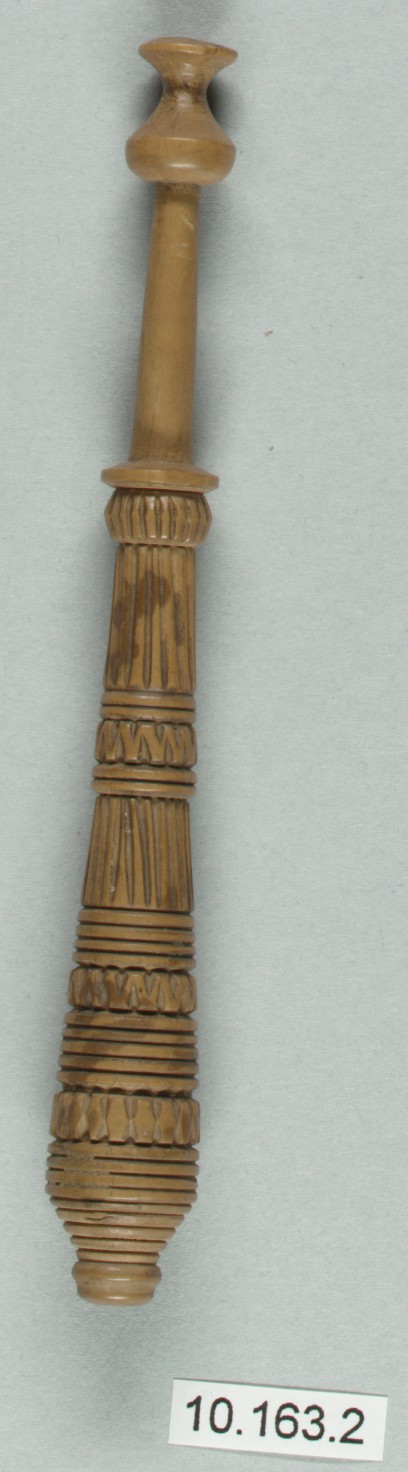
In the annals of material culture, the bobbin—a simple wooden cylinder used for thread storage and tension control—emerges as an artifact of profound symbolic and spiritual significance. For Katherine Fashion Lab, the strategic repositioning of this ancient tool within a 2026 high-end luxury context requires a rigorous deconstruction of its historical role, not merely as a utilitarian object, but as a vessel for power, adornment, and metaphysical connection. This analysis, conducted as a strategic standalone research initiative, examines the bobbin’s journey from a functional implement in ancient civilizations to a potent emblem of heritage, craftsmanship, and exclusivity, ultimately offering a blueprint for its integration into a future-facing luxury narrative.
Symbolic Power: The Bobbin as a Loom of Fate and Authority
The bobbin’s symbolic power is deeply rooted in its association with the loom, a device that in many ancient cultures represented the weaving of destiny, social order, and cosmic structure. In Greco-Roman mythology, the Moirai (Fates) used spindles and bobbins to spin, measure, and cut the thread of life, positioning the bobbin as a direct instrument of divine will. Similarly, in Norse traditions, the Norns wove the fabric of fate at the base of Yggdrasil, the World Tree, with bobbins holding the threads of human existence. These mythologies imbue the bobbin with a dual authority: it is both a tool of creation and a symbol of inescapable destiny.
Beyond mythology, the bobbin was a marker of political and economic power in ancient civilizations such as Egypt, Mesopotamia, and the Indus Valley. In these societies, textile production was often controlled by elite classes or religious institutions. The bobbin, as a component of advanced weaving technologies, signified access to resources, skilled labor, and trade networks. For example, in Pharaonic Egypt, finely carved wooden bobbins were discovered in tombs of high-ranking officials, indicating that the ability to produce luxurious linens was a privilege of the ruling class. The bobbin thus became a silent herald of status—an object that, in its simplicity, encoded complex hierarchies of control over production and distribution.
Historical Adornment: The Bobbin as a Decorative and Ritual Object
While the bobbin’s primary function was practical, its historical adornment reveals a sophisticated aesthetic sensibility. In ancient China, bobbins were often lacquered and inlaid with mother-of-pearl or jade, transforming a workshop tool into a cherished heirloom. Similarly, in pre-Columbian Andean cultures, bobbins were carved from precious woods like balsa or mahogany and adorned with geometric motifs representing fertility, rain, and agricultural abundance. These decorative elements were not merely ornamental; they were intentional acts of ritual adornment that elevated the bobbin from a mundane object to a sacred artifact.
The act of adorning a bobbin carried spiritual weight. In many ancient societies, the creation of textiles was considered a sacred act, and the tools involved were treated with reverence. For instance, in ancient Greece, women dedicated their bobbins and looms to Athena, the goddess of crafts, as votive offerings. In Hindu traditions, the bobbin (or takli) was used in the weaving of ceremonial garments for deities, and its decoration with auspicious symbols like the lotus or swastika was believed to attract divine blessings. This historical adornment practice underscores a key insight for luxury strategy: the bobbin’s value is amplified when its aesthetic and spiritual dimensions are foregrounded, rather than its utility alone.
Spiritual Meaning: The Bobbin as a Conduit for Transcendence
The spiritual meaning of the bobbin extends beyond its mythological associations into the realm of personal and communal transcendence. In many indigenous cultures, the rhythmic motion of the bobbin during weaving was considered a meditative practice, aligning the weaver’s spirit with the cosmos. For example, among the Navajo, the bobbin was part of a loom that was oriented eastward to honor the rising sun, and the weaving process was accompanied by prayers for harmony and balance. The bobbin thus became a conduit for spiritual energy, channeling the weaver’s intentions into the fabric.
In ancient Celtic traditions, the bobbin was linked to the concept of awen—a divine inspiration that flowed through the craftsman. The wooden medium itself was significant; oak, yew, and ash bobbins were believed to carry the essence of the sacred trees from which they were carved. This animistic worldview imbued the bobbin with a soul-like quality, making it a participant in the creative act rather than a passive tool. For a luxury brand like Katherine Fashion Lab, this spiritual dimension offers a powerful narrative: the bobbin is not just a historical artifact but a talisman of creative integrity and authentic connection to heritage.
2026 High-End Luxury Strategy: Redefining the Bobbin as a Symbol of Exclusivity and Craft
As we project into 2026, the luxury market is increasingly driven by a demand for narrative depth, sustainability, and artisanal authenticity. The bobbin, as a heritage object, provides Katherine Fashion Lab with a unique strategic asset to differentiate its offerings in a crowded marketplace. The following strategic pillars are recommended for a successful integration into the 2026 high-end luxury collection:
Artisanal Revival and Limited Edition Craft
Position the bobbin as a centerpiece of a limited-edition line of handcrafted accessories—such as brooches, pendants, or cufflinks—carved from sustainably sourced ancient or reclaimed woods. Each piece should be accompanied by a certificate of authenticity detailing its historical inspiration and the artisan’s lineage. This approach taps into the growing consumer desire for objects with a story, where the bobbin’s ancient symbolism of fate and power becomes a personal narrative for the wearer.
Spiritual and Ritualistic Marketing
Leverage the bobbin’s spiritual meaning through immersive brand experiences. For example, create a “Weaving of Fate” campaign where clients participate in a private ritual, selecting a bobbin that corresponds to their personal aspirations (e.g., prosperity, protection, creativity). This aligns with the luxury sector’s shift toward experiential retail and emotional engagement, transforming a purchase into a meaningful rite of passage.
Heritage as a Pricing Anchor
The bobbin’s historical adornment and symbolic power justify a premium pricing strategy. By framing each piece as a direct descendant of ancient craftsmanship—rather than a mere reproduction—Katherine Fashion Lab can command prices that reflect the object’s cultural weight. For instance, a bobbin-inspired necklace could be priced at $5,000–$15,000, comparable to high-end jewelry, with the narrative of the bobbin’s role in weaving royal garments serving as the value justification.
Collaboration with Anthropological Institutions
Form strategic partnerships with museums or cultural foundations specializing in ancient textiles. This not only enhances brand credibility but also provides access to rare archival materials, such as original wood samples or weaving techniques. A co-curated exhibition of “Sacred Tools of the Loom” would position Katherine Fashion Lab as a thought leader in heritage luxury, driving both press coverage and collector interest.
Conclusion: The Bobbin as a Strategic Heritage Asset
The bobbin, in its ancient wooden form, transcends its utilitarian origins to become a powerful symbol of fate, authority, and spiritual transcendence. For Katherine Fashion Lab, this heritage analysis reveals that the bobbin is not merely a historical curiosity but a strategic asset capable of anchoring a 2026 luxury strategy defined by exclusivity, narrative depth, and cultural resonance. By honoring the bobbin’s symbolic power, historical adornment, and spiritual meaning, the brand can craft a compelling value proposition that speaks to the discerning consumer’s desire for objects that connect them to the timeless threads of human creativity. In the hands of Katherine Fashion Lab, the bobbin is no longer a tool of the past—it is a talisman for the future of luxury.