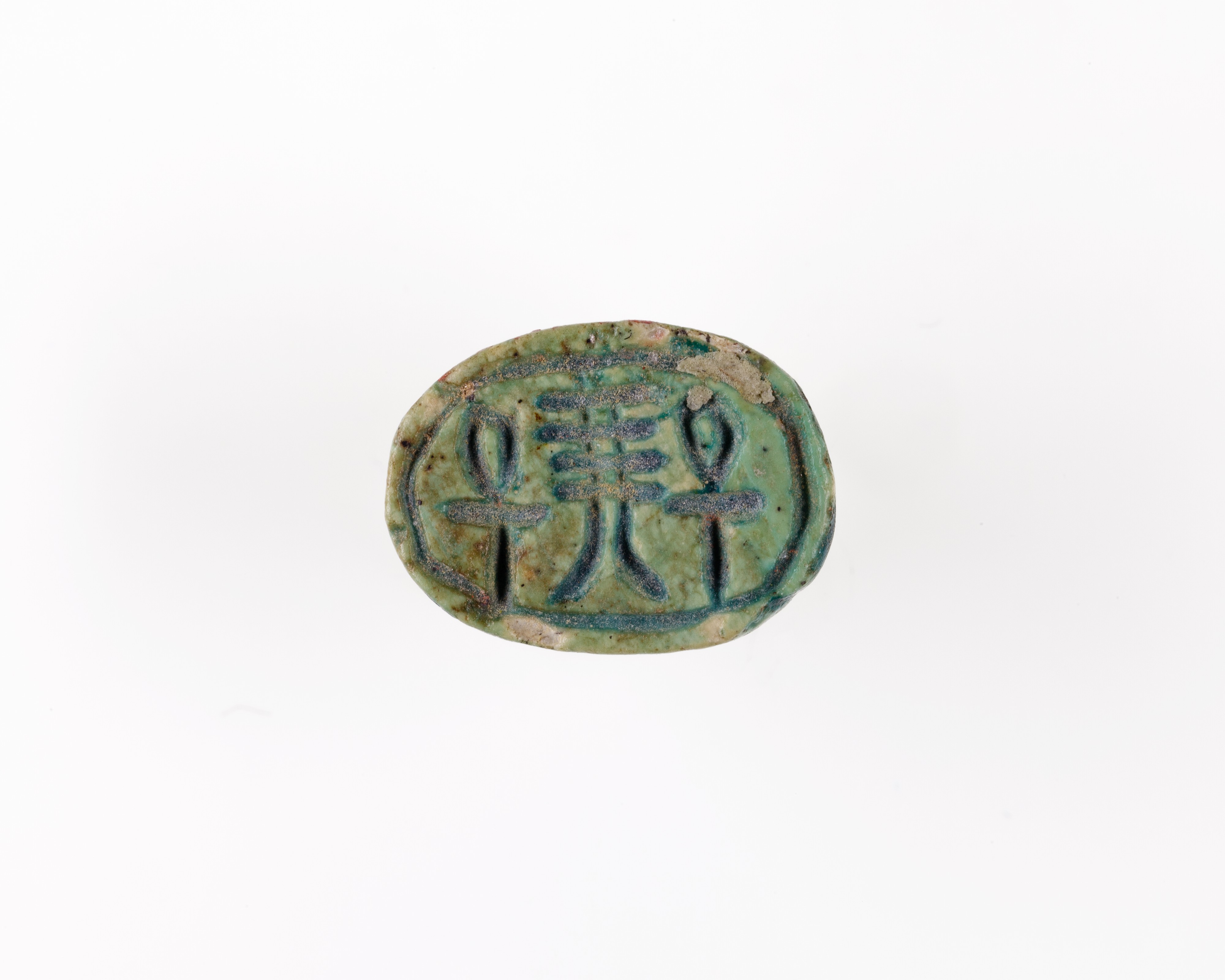
Heritage Analysis: The Scarab Inscribed with Hieroglyphs
Introduction: The Artifact as a Strategic Asset
The scarab inscribed with hieroglyphs, rendered in green glazed steatite, represents one of the most potent symbols of transformation, protection, and divine authority in ancient civilization. For Katherine Fashion Lab, this artifact is not merely an archaeological curiosity but a strategic cornerstone for a 2026 high-end luxury strategy. By decoding its symbolic power, historical adornment, and spiritual meaning, we can position the scarab as a narrative driver for exclusivity, cultural resonance, and timeless aspiration. This analysis, conducted as a standalone research initiative, provides the foundational intelligence required to integrate the scarab’s heritage into a luxury brand ecosystem that commands premium valuation and emotional loyalty.
Symbolic Power: The Scarab as a Talisman of Transformation
In ancient Egyptian cosmology, the scarab beetle (Scarabaeus sacer) was revered as a living embodiment of the sun god Khepri, who rolled the solar disk across the sky each day. This act of pushing a sphere of dung, which contained the beetle’s eggs, was analogized to the cyclical journey of the sun—death, rebirth, and renewal. The scarab thus became a symbol of spontaneous creation and eternal life. When inscribed with hieroglyphs—often prayers, names of deities, or protective spells—the scarab’s power was amplified, transforming it into a personalized amulet capable of warding off evil and ensuring safe passage into the afterlife.
For a luxury strategy, this symbolic power translates into a narrative of exclusivity and transformation. Just as the scarab metamorphosed from a humble insect into a divine emblem, Katherine Fashion Lab can position its scarab-inspired pieces as catalysts for personal evolution. The hieroglyphic inscriptions, when reimagined as bespoke monograms or encoded messages, offer clients a sense of ownership over their own transformation. This aligns with the 2026 luxury consumer’s desire for authenticity, self-actualization, and objects that carry deep, personal meaning rather than mere status.
Historical Adornment: The Scarab in Daily Life and Royal Regalia
Historically, scarabs were not confined to funerary contexts; they were ubiquitous in ancient Egyptian adornment. Worn as rings, pendants, bracelets, and pectorals, scarabs served both decorative and functional roles. The green glazed steatite, a soft stone that hardens when fired, was a favored medium because its color evoked new growth, fertility, and the verdant banks of the Nile. This material choice was deliberate: green symbolized resurrection and the heart’s renewal, making the scarab a daily reminder of life’s regenerative cycles.
Royal scarabs, often larger and more intricately carved, were used to commemorate significant events—such as the reign of Amenhotep III, who issued commemorative scarabs to celebrate royal hunts and marriages. These objects functioned as propaganda tools, status markers, and diplomatic gifts. For Katherine Fashion Lab, this historical precedent offers a blueprint for limited-edition collections that tell stories. A 2026 luxury line could feature scarab motifs in green glazed ceramics or enameled metals, each piece inscribed with a unique code or narrative tied to the brand’s heritage or a client’s personal milestones. This approach elevates adornment from accessory to artifact, reinforcing the brand’s authority in cultural curation.
Spiritual Meaning: Protection, Judgment, and the Afterlife
The spiritual dimension of the scarab is inseparable from its role in the Weighing of the Heart ceremony, a central judgment ritual in the Egyptian Book of the Dead. The heart, believed to contain the individual’s moral record, was weighed against the feather of Ma’at (truth and order). A scarab amulet, often placed over the heart of the deceased, ensured that the heart would not testify against the soul. The hieroglyphic inscriptions on these heart scarabs typically included Chapter 30B of the Book of the Dead, a spell that commanded the heart to remain silent and loyal.
This spiritual meaning imbues the scarab with a dual function: protection and accountability. For a modern luxury audience, this resonates as a metaphor for integrity and legacy. In an era where consumers increasingly seek brands that align with ethical values and transparency, the scarab’s association with judgment and truth offers a powerful brand ethos. Katherine Fashion Lab can leverage this by positioning its scarab collection as a symbol of the wearer’s commitment to personal and social responsibility. The hieroglyphs, when reimagined as codes for virtues—such as “truth,” “resilience,” or “balance”—transform the jewelry into talismans of modern morality.
Strategic Implications for 2026 High-End Luxury
The integration of the scarab’s heritage into a 2026 luxury strategy requires a multi-layered approach that respects the artifact’s origins while innovating for contemporary desirability. The following strategic pillars emerge from this analysis:
1. Narrative-Driven Exclusivity: The scarab’s hieroglyphic inscriptions offer a direct pathway to personalization. Katherine Fashion Lab can introduce a bespoke service where clients commission scarab pieces inscribed with their own symbolic codes—initials, dates, or mantras. This transforms each piece into a unique artifact of personal history, commanding premium pricing and fostering deep emotional attachment. Limited-edition runs, inspired by royal commemorative scarabs, can mark brand milestones or collaborations with contemporary artists.
2. Material and Craftsmanship Authenticity: Green glazed steatite, or its high-end equivalents such as jadeite, malachite, or enameled gold, should anchor the collection. Emphasizing artisanal carving and hand-painted hieroglyphs reinforces the value of human skill and heritage. In a market saturated with mass-produced luxury, this authenticity becomes a competitive advantage. The brand can partner with master lapidaries or Egyptologists to ensure historical accuracy, further legitimizing its cultural authority.
3. Spiritual and Ethical Positioning: The scarab’s role in the Weighing of the Heart ceremony aligns with the 2026 consumer’s demand for transparency and purpose. Katherine Fashion Lab can launch a “Heart Scarab” initiative, where a portion of proceeds supports archaeological conservation or ethical mining practices. This connects the spiritual meaning of protection and judgment to tangible social impact, creating a halo effect around the brand.
4. Experiential Retail and Storytelling: High-end luxury in 2026 will be defined by immersive experiences. Retail spaces can incorporate interactive installations that explain the scarab’s symbolism, hieroglyphic translation stations, and virtual reality journeys through ancient Egyptian tombs. Each purchase can include a digital “Book of the Dead” scroll, personalized with the client’s chosen hieroglyphs, deepening the ritualistic aspect of acquisition.
Conclusion: The Scarab as a Strategic Archetype
The scarab inscribed with hieroglyphs is more than an ancient artifact; it is a strategic archetype for timeless luxury. Its symbolic power of transformation, historical role in adornment, and spiritual meaning of protection and judgment offer a rich narrative tapestry that Katherine Fashion Lab can weave into its 2026 high-end strategy. By honoring the artifact’s heritage while innovating for modern desire—through personalization, craftsmanship, ethical positioning, and experiential storytelling—the brand can capture the imagination of discerning clients who seek not just beauty, but meaning. In doing so, the scarab becomes not a relic of the past, but a living emblem of the future of luxury.